
Shrubs
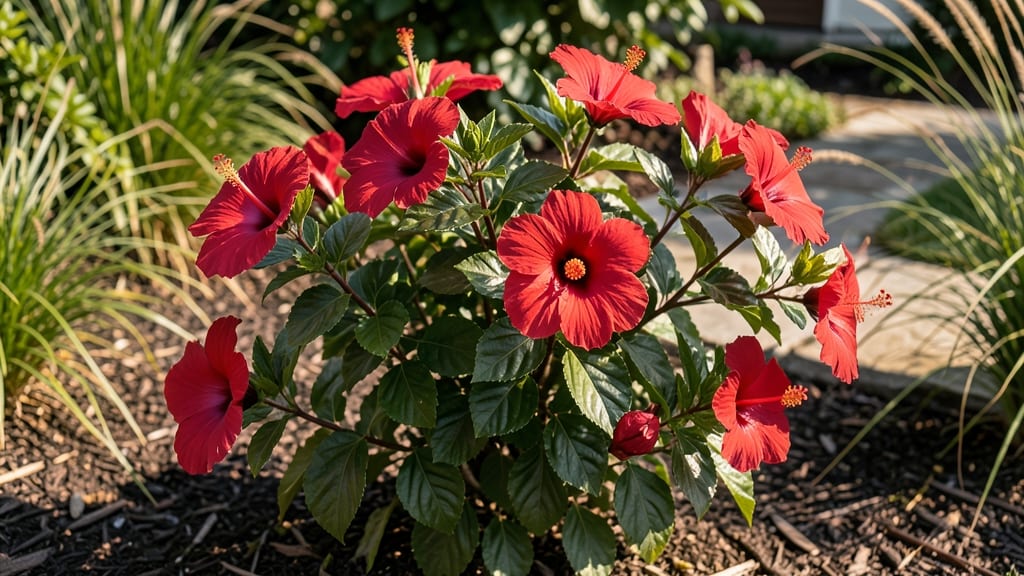
Your garden just got a bold new star with a hibiscus bush red that blooms like a sunset in full crimson glory. 🌸 I’ve grown these showstoppers for years, and the secret to their nonstop flowers isn’t complicated—it’s about sunlight, soil, and a little strategic pruning.
These tropical beauties thrive in full sun (6+ hours daily) and well-draining soil rich in organic matter. Varieties like ‘Dwarf Red’ or ‘Lady Baltimore’ deliver year-round blooms in warmer climates, while hardier types like ‘Annabelle’ handle cooler zones with the right winter care. The key?
Water deeply but infrequently—drought-tolerant once established, but never let them dry out completely. By summer’s end, you’ll have a bush bursting with 5-inch blooms that attract hummingbirds and make your neighbors do a double-take.
Prune after each flush of flowers to encourage bushier growth, and watch those crimson trumpets appear every 6-8 weeks. Just avoid over-fertilizing—too much nitrogen means fewer blooms and more leaves. Works in containers or garden beds, and even urban patios with the right variety. Let’s get those roots growing!
📚 In This Guide
- What you need
- Instructions
- Tips and common mistakes
- Wrapping up and next steps
What you need
- ● Red Hibiscus Plant: Choose a Hibiscus rosa-sinensis (Tropical Hibiscus) or Hibiscus syriacus (Rose of Sharon) variety. Buy a 3–5 gallon nursery pot for mature plants or seeds/cuttings for propagation.
- ● Well-Draining Soil: A mix of 60% garden soil, 30% compost, and 10% perlite/sand (for sandy or clay-heavy soils). pH 6.0–7.0 is ideal.
- ● Sunlight Access: A full-sun location (6+ hours/day) or partial shade (4–6 hours) in hot climates.
- ● Watering Supplies: Garden hose with a gentle spray nozzle (for seedlings).
- ○ Drip irrigation kit (optional but recommended for consistent moisture).
- ● Planting Tools: Trowel or hand shovel (for transplanting).
- ● Garden gloves (to protect from thorns).
- ● Fertilizer: Balanced 10-10-10 or organic compost tea (apply every 4–6 weeks during growing season).
- ● Mulch: 2–3 inches of organic mulch (shredded bark or pine straw) to retain moisture.
- ● Pruning Shears: Bypass pruners (for shaping and deadheading).
- ○ Optional Extras: Stakes or cage support (if growing tall varieties).
- ● Slow-release osmocote fertilizer (for low-maintenance nutrition).
- ● Pest control: Neem oil (for aphids or whiteflies).
Step-by-step instructions for growing a vibrant red hibiscus bush
Here’s how to cultivate a lush, blooming hibiscus with deep crimson flowers that thrive year-round.
🌱 Step 1: Select the Right Location and Soil
Choose a spot with full sun exposure—at least 6-8 hours daily—since hibiscus craves warmth to fuel its bold blooms. If your climate is cooler, a south-facing wall or greenhouse extension works well. The soil must drain freely but retain moisture, so amend heavy clay with organic compost or sand until it feels light and crumbly when squeezed.
Test the pH before planting—hibiscus thrives in slightly acidic to neutral soil (6.1-7.5). If your soil is alkaline, work in sulfur or peat moss to adjust it gradually. I always dig a hole twice as wide as the root ball to encourage outward growth, which prevents weak stems that flop under heavy blooms.
🪴 Step 2: Plant and Stake for Support
Dig the hole deep enough so the top of the root ball sits 1-2 inches below soil level—this prevents rot while promoting sturdy growth. Gently loosen the roots if they’re circling tightly, then place the plant in the hole and backfill with native soil mixed with compost. Water deeply to settle the soil and eliminate air pockets.
Stake hibiscus immediately, even if it seems unnecessary. These plants grow 4-6 feet tall and top-heavy with blooms, so drive a 6-foot wooden stake into the ground 6 inches from the stem and tie it loosely with soft plant ties. Avoid tight binding—hibiscus stems thicken as they grow, and constriction can girdle the bark.
☀️ Step 3: Water and Fertilize for Continuous Blooms
Keep the soil consistently moist but never soggy—wilting leaves or yellowing foliage often signal underwatering, while drooping blooms mean overwatering. Mulch with 2-3 inches of organic mulch (like pine straw or shredded bark) to retain moisture and regulate soil temperature. Water at the base, avoiding leaves to prevent fungal diseases like powdery mildew.
Feed hibiscus every 2-3 weeks during growing season with a balanced, water-soluble fertilizer (10-10-10) or a bloom booster high in phosphorus. Reduce feeding in winter unless you’re growing in a frost-free zone. I swear by a monthly dose of liquid seaweed extract in summer—it strengthens stems and keeps flowers vibrant longer.
✂️ Step 4: Prune Strategically for Shape and More Blooms
Prune hibiscus after the last frost (or in early spring for tropical varieties) to shape the bush and encourage dense growth. Cut back one-third of the oldest stems to the ground—this rejuvenates the plant and redirects energy to new, vigorous shoots. For shaping, trim just above a leaf node (the bump where leaves attach) to promote branching.
Deadhead spent blooms weekly to stimulate new flowers. Pinch off the flower head and the first set of leaves below it—this prevents seed formation and signals the plant to produce more blooms. Avoid heavy pruning in fall if you’re in a cold climate, as hibiscus needs time to harden off before winter.
⏰ Step 5: Protect and Winterize for Year-Round Growth
If your hibiscus is tropical (like Hibiscus rosa-sinensis), move it indoors before temperatures drop below 40°F or wrap the pot in burlap and bubble wrap for outdoor varieties. Place it near a south-facing window or under grow lights for 12-14 hours daily to maintain blooming. Reduce watering in winter but keep the soil lightly moist.
For hardy hibiscus (like Hibiscus syriacus), mulch heavily with 4-6 inches of straw or leaves and wrap the base with burlap to insulate roots. Prune lightly in late winter to remove dead wood, then watch for new growth—this is your cue to resume regular care when temperatures rise above 50°F.
Tips & tricks for perfect hibiscus bush care
Here’s what I’ve learned from years of growing vibrant hibiscus bushes—these tricks will help you avoid common pitfalls and keep your red blooms thriving all year.
Sunlight Strategy: Those 6-8 hours of full sun are non-negotiable for bold red blooms. If your hibiscus starts producing smaller, paler flowers, it’s likely not getting enough light. I’ve found that south-facing walls or greenhouse extensions work wonders in cooler climates—just make sure the plant gets direct sunlight for at least half the day. For container growers, rotate pots weekly so all sides get equal exposure, preventing lopsided growth.
Soil Science: The slightly acidic to neutral pH (6.1-7.5) is crucial, but don’t just guess—test your soil before planting. I’ve seen hibiscus struggle in alkaline soil where the red color fades to pink. If you need to adjust, work in sulfur or peat moss gradually over several months. Pro tip: Mix organic compost into the planting hole to give your hibiscus a nutrient boost right from the start, which encourages stronger root development and more vibrant blooms.
Staking Secrets: That 6-foot wooden stake might seem excessive, but hibiscus stems grow surprisingly thick and top-heavy with blooms. I’ve seen many plants flop over after heavy rains if not properly supported. Use soft plant ties and check them monthly—hibiscus stems expand as they grow, so tight ties can actually damage the bark. For extra stability, drive the stake 6 inches from the stem and angle it slightly toward the plant’s natural growth direction.
Winter Survival: When temperatures drop below 40°F, tropical hibiscus need protection. I’ve had success moving potted plants indoors near south-facing windows with 12-14 hours of grow light daily—this maintains blooming through winter. For outdoor varieties, burlap and bubble wrap around the pot create an insulating barrier. In colder zones, 4-6 inches of straw mulch around the base prevents root freeze damage, and pruning dead wood in late winter helps the plant focus energy on new growth when temperatures rise above 50°F.
Pro Tips for Hibiscus Bush Red
- Here’s what I’ve learned from years of growing vibrant hibiscus bushes—these tricks will help you avoid common pitfalls and keep your red blooms thriving all year.
- Sunlight Strategy: Those 6-8 hours of full sun are non-negotiable for bold red blooms.
- Soil Science: The slightly acidic to neutral pH (6.1-7.5) is crucial, but don’t just guess—test your soil before planting.
Frequently asked questions
How fast does a red hibiscus bush grow, and when will it bloom?
A Hibiscus bush red typically grows 12–24 inches per year under ideal conditions, reaching maturity (6–10 feet tall) in 2–3 years. Blooms usually start in mid-to-late summer, but with proper care (like deadheading spent flowers), you can extend the season into fall or even winter in warmer climates! Patience pays off—your first year may be sparse, but subsequent years deliver abundant, show-stopping flowers.
Do red hibiscus bushes need full sun, and what if my yard is shady?
Hibiscus bush red varieties thrive in full sun (6+ hours daily) for the most vibrant blooms, but they’re tolerant of partial shade (4–6 hours). In shadier spots, expect fewer flowers and slower growth. If your yard lacks sun, place the bush near a south- or west-facing wall or consider a container with afternoon shade to maximize light exposure.
Why aren’t my red hibiscus flowers opening, and how can I fix it?
Bud drop or closed blooms often signal stress from overwatering, underwatering, or nutrient deficiencies. Check these fixes:
- Watering: Keep soil consistently moist but not soggy (1–1.5 inches per week). Mulch helps retain moisture.
- Fertilizer: Use a balanced, acidic fertilizer (10-10-10 or 8-3-9) in spring/summer. Hibiscus loves phosphorus for blooms!
- Pruning: Trim leggy growth in early spring to encourage new, flower-heavy branches.
- Pests: Inspect for aphids or spider mites (spray with neem oil if needed).
Can red hibiscus bushes survive winter, and how do I protect them?
Hardiness depends on your USDA zone:
- Zones 9–11: Hibiscus bush red is perennial—mulch heavily and water occasionally in winter.
- Zones 7–8: Prune back by ⅓ in late fall, wrap the base in burlap or frost cloth, and cover with straw or leaves.
- Zones 6 or colder: Treat as annuals or grow in containers and move indoors before frost.
What are some low-maintenance alternatives to red hibiscus bushes?
If hibiscus feels high-maintenance, try these bold, low-fuss shrubs with similar vibrancy:
- Crape Myrtle (Lagerstroemia): Drought-tolerant, summer-to-fall blooms in pink/red, and no deadheading needed.
- Abelia (Abelia x grandiflora): Pink/red flowers year-round (in mild climates) and deer-resistant.
- Oakleaf Hydrangea (Hydrangea quercifolia): White/pink blooms that turn reddish-purple in fall; thrives in shade.
- Bougainvillea: Vibrant magenta/purple (not true red), drought-proof, and fast-growing.
Wrapping up and next steps
Transforming your garden with a hibiscus bush red isn’t just about adding color—it’s about creating a vibrant, low-maintenance centerpiece that thrives year-round. Whether you’re drawn to its bold crimson blooms, drought-resistant nature, or easy care, this shrub is a game-changer for any outdoor space. 🌸
Ready to bring this stunning plant into your landscape? Start by choosing the perfect location—sunny, well-drained soil—and watch your garden flourish with minimal effort. Your future self (and your neighbors!) will thank you.