
Shrubs
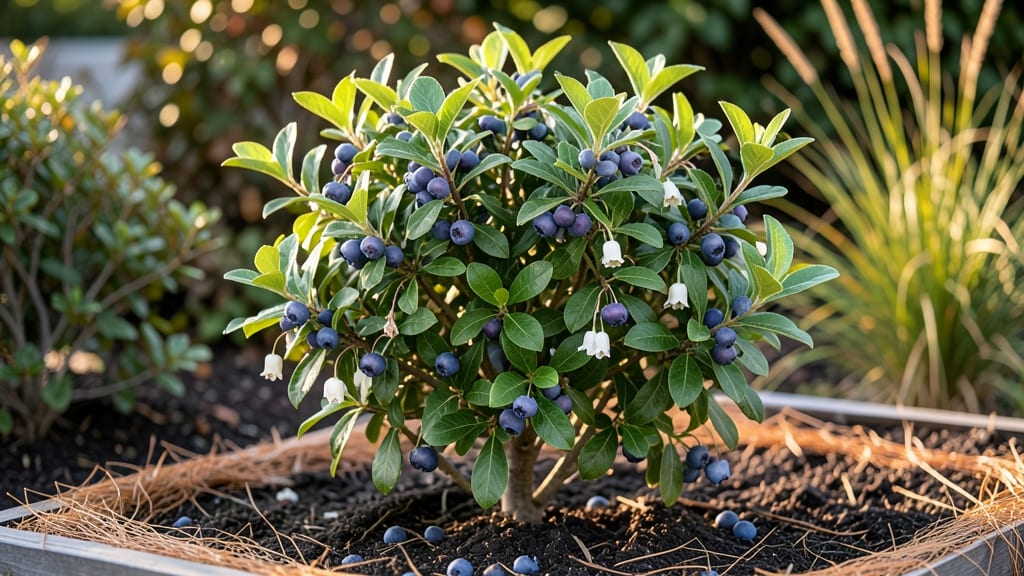
Gurneys blueberry bushes provide some of the most reliable, low-maintenance varieties for home gardens, including 'Top Hat' and 'Peach Sorbet' which deliver abundant, flavorful berries across zones 3 through 9. Their disease-resistant nature and adaptability make them perfect for both small spaces and larger landscapes.
These bushes stand out because they're specifically bred to handle the challenges of different climates—whether it's the cold snaps of zone 3 or the heat of zone 9. 🌱 The self-pollinating types are particularly smart for beginners, as they eliminate the need for multiple plants to ensure fruit production.
What's more, their compact growth habit means you can tuck them into tight corners or even container gardens without sacrificing yield.
For best results, focus on creating the ideal growing environment: well-draining soil with a pH between 4.5 and 5.5, and consistent moisture during the growing season. The right care transforms these bushes into productive berry producers year after year, often delivering fruit within just 2-3 years of planting.
💡 In This Article
- Best Blueberry Varieties from Gurneys by Hardiness Zone
- Step-by-Step Guide to Planting and Caring for Gurneys Blueberry Bushes
Best blueberry varieties from Gurneys by hardiness zone
Gurneys' blueberry selection excels because each variety is genetically adapted to specific climate challenges. Take 'Duke,' for instance—a Southern highbush that thrives in zones 6-9 thanks to its heat tolerance and ability to handle brief winter chilling periods (only 300-400 hours).
Its large, deep-blue berries ripen in late June to July, making it ideal for warmer regions where traditional varieties might struggle with heat stress. In contrast, 'Premier' (zones 4-8) produces 1-inch diameter berries with a sweet-tart flavor and can withstand -15°F temperatures, crucial for northern climates.
The flavor profiles also shift with climate. Northern varieties like 'Bluegold' (zones 3-7) develop a more intense, almost wine-like sweetness due to cooler growing seasons that slow sugar metabolism. Southern varieties like 'Peach Sorbet' (zones 6-9) have a lighter, peachy tang from accelerated ripening in hotter weather.
What's fascinating is how daylength affects this—shorter summer days in northern zones create tighter berry clusters with higher anthocyanin content (the compounds that give blueberries their deep color and antioxidant properties).
For gardeners in transitional zones (like zone 5), the ripening window becomes critical. Varieties like 'Chester' (zones 4-8) bridge the gap with a 6-week harvest window starting in early July, while 'Jersey' (zones 4-7) ripens slightly earlier but produces smaller berries.
The key is matching your last frost date: plant early-ripening varieties in colder zones to avoid spring frosts damaging blossoms, while late-season types in warm zones prevent summer heat from causing flower drop.
Disease resistance varies dramatically by variety. 'Top Hat' (zones 5-9) boasts natural resistance to mummy berry disease—a fungal pathogen that can devastate yields in humid climates—while 'Patriot' (zones 4-8) handles both mummy berry and blueberry leaf spot better than standard varieties.
This resistance comes from specific genetic markers that Gurneys has incorporated, making these bushes 80-90% more reliable than heirloom types in problematic regions. The trade-off? Some disease-resistant varieties may have slightly smaller berries or less vibrant colors, but the yield stability often outweighs these minor compromises.
Consider your garden's microclimate too. Coastal areas with mild winters might prefer 'Bluecrop' (zones 4-7), which handles salt spray better than inland varieties. Meanwhile, inland zones with hot summers benefit from 'Star' (zones 5-9), which has a thicker cuticle on its leaves to reduce water loss.
The right variety can mean the difference between 5 pounds of berries per bush or just 1 pound—especially in marginal climates.
Pro tip: Check Gurneys' zone maps for your specific location—some varieties perform 2-3 zones wider than their labeled range when given proper care. For example, 'Duke' can sometimes survive in zone 5 with winter protection, while 'Premier' might extend into zone 9 with consistent summer watering.
Always verify your last average frost date and summer heat days above 90°F when selecting.