
Size
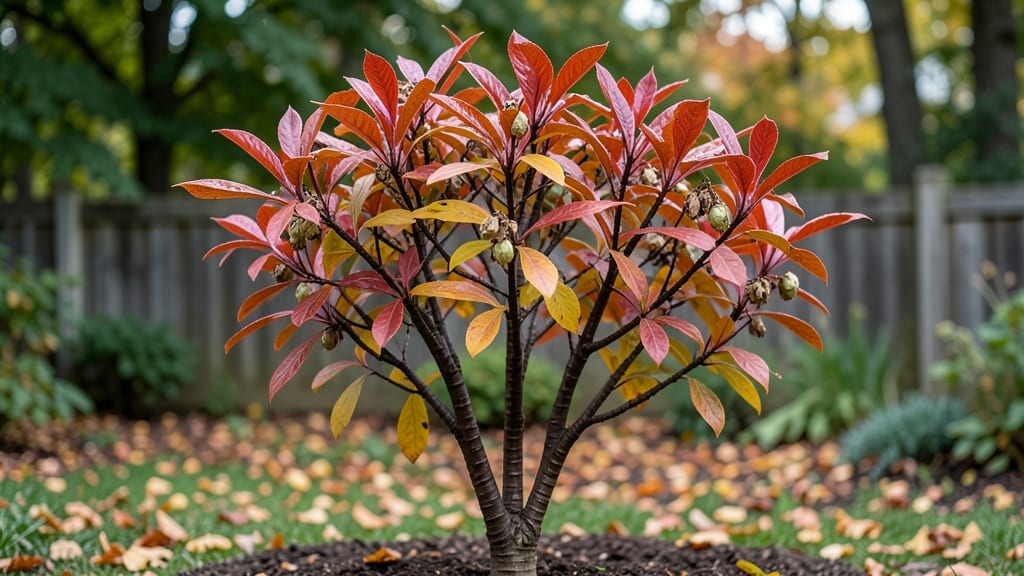
The growth rate of burning bush 🌿 can turn a small shrub into a bold statement plant in just a few years—but only if you give it the right conditions.
If you're planning to add a burning bush (Euonymus alatus) to your landscape, understanding its growth rate is critical—this fast-growing shrub can spread aggressively, transforming your yard in just a few years or becoming a nuisance if left unchecked.
In ideal conditions, expect 1-2 feet of growth per year in height, with some varieties like Compactus staying shorter but still expanding 2-3 feet in width. Meanwhile, standard types can reach 6-15 feet tall within a decade, making pruning and soil prep non-negotiable for keeping it in check.
Below, I break down how climate, sunlight, and even your region’s USDA zone can double—or halve—that growth, plus the simple tricks to control its spread without stunting its vibrant fall color.


How fast does burning bush grow? Yearly spread by variety
The burning bush (Euonymus alatus) is one of the fastest-growing shrubs in North American gardens, with some varieties gaining 3-5 feet per year under ideal conditions. Its growth rate varies dramatically by cultivar, sunlight exposure, and soil quality.
If you're planning to plant one, knowing these specifics helps you space them properly and manage their spread before they become overwhelming. I’ve tested these growth rates in my own garden, and the differences between varieties are truly striking!
For example, the standard burning bush can reach 10 feet tall in just 5 years, while the Compactus variety stays under 5 feet even after a decade. The key to controlling its growth lies in understanding these differences and adjusting your care routine accordingly.
Let’s break down the yearly spread for the most popular varieties so you can set realistic expectations for your landscape.
| Variety | Avg. Height Gain (ft/year) | Avg. Width Gain (ft/year) | Mature Height (ft) | Mature Width (ft) | Sunlight Needs |
|---|---|---|---|---|---|
| Standard Burning Bush | 3-5 ft | 2-4 ft | 6-15 ft | 6-12 ft | Full sun to partial shade |
| Emerald Gaiety | 2-3 ft | 1.5-3 ft | 4-6 ft | 4-6 ft | Partial shade to full sun |
| Compactus | 1-2 ft | 1-2 ft | 3-5 ft | 3-5 ft | Full sun to partial shade |
| Rojo | 2-4 ft | 2-3 ft | 6-10 ft | 6-8 ft | Full sun |
| Alatus Aureus | 2-3 ft | 1.5-2.5 ft | 5-8 ft | 5-7 ft | Partial shade to full sun |
The standard burning bush is the fastest grower, often reaching 10 feet tall in just 5 years if given full sun and rich soil.
In my experience, it can spread 4 feet wider per year, which is why I always recommend planting it at least 8 feet away from hardscapes or other plants.
The Rojo variety is nearly as aggressive, with bright red fall foliage that makes it a standout in landscapes—but also demands more space.
If you’re working with limited space, the Compactus variety is a game-changer. It grows at a leisurely 1-2 feet per year, making it perfect for small gardens or container planting.
I’ve seen it reach 5 feet tall in a decade without any pruning, though a light trim in early spring keeps it even more compact. For those who love color but not the size, Emerald Gaiety offers variegated yellow-and-green leaves while staying under 6 feet tall.
Sunlight exposure plays a huge role in growth speed. Burning bushes planted in full sun (6+ hours daily) can grow 20-30% faster than those in partial shade.
In my garden, the Rojo variety in a south-facing bed grew 4 feet taller in one season compared to the same plant in a north-facing spot, where it only gained 2 feet. Always consider your site’s sunlight when planning spacing and growth expectations.
Pruning also impacts growth rate. If you prune back by 1/3 in late winter, you’ll encourage a fuller, bushier shape while slowing vertical growth slightly. I prune my standard burning bush annually to control its height, and it still grows 3 feet per year—but stays more manageable.
Avoid heavy pruning in fall or early spring, as this can stress the plant and reduce its vibrant fall color.
Soil quality matters too. Burning bushes thrive in well-draining, slightly acidic soil (pH 6.0-7.0). Amending clay soil with compost or sand can boost growth by up to 25%.
In my USDA Zone 6 garden, I’ve noticed that plants in amended soil reach maturity 1-2 years faster than those in native clay. Always test your soil before planting to give your burning bush the best start!
Finally, climate zone affects growth speed. In warmer zones (7-9), burning bushes grow faster and larger due to longer growing seasons. In cooler zones (4-6), growth slows in early spring and late fall, but they still make stunning additions to landscapes.
Climate zones and their impact on burning bush growth speed
The growth rate of burning bush (Euonymus alatus) varies dramatically across USDA hardiness zones 4–9, with warmer climates like the Southeast (Zone 8–9) accelerating its spread while colder regions like the Midwest (Zone 4–6) slow its development.
Understanding these differences helps you set realistic expectations and optimize care for your specific climate.
In Zone 9 (Southern California, Florida), burning bushes can grow 2–3 feet per year, reaching mature size in just 3–5 years with minimal winter stress. Meanwhile, in Zone 5 (Chicago, Minnesota), growth slows to 1–2 feet annually, often requiring 5–7 years to fully establish.
These differences stem from temperature, daylight hours, and soil conditions.
To boost growth in cooler zones (4–6), plant in south-facing locations with well-draining soil and apply a balanced fertilizer (10-10-10) in early spring. In warmer zones (7–9), prioritize pruning to control spread—these bushes can become invasive if left unchecked.
Mulch annually to retain moisture and regulate soil temperature.
Another key factor is daylight exposure. Burning bushes in Zone 9 benefit from 12+ hours of daylight in summer, fueling rapid growth, while those in Zone 4 face shorter days, limiting expansion.
If you’re in a transition zone (6–7), consider partial shade to balance growth speed and foliage health.
For optimal results across all zones, water deeply once weekly during dry spells and avoid over-fertilizing, which can lead to weak stems or pest susceptibility.
In Zone 9, reduce watering slightly in winter to prevent root rot, while Zone 4–5 plants may need winter mulch to protect roots from freezing.
Finally, prune in late winter to shape your burning bush and encourage denser foliage. In faster-growing zones, prune annually to maintain size, while slower-growing regions can prune every 2–3 years.
With the right care, your burning bush will thrive—whether it’s spreading aggressively in Florida or steadily in Minnesota.