
Vegetables
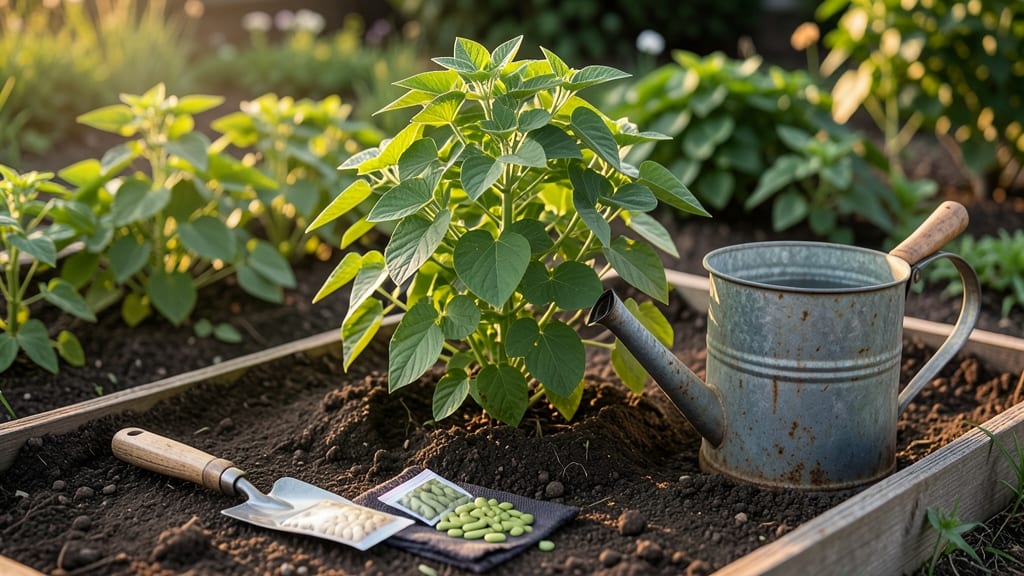
Fast-germinating green bean bush seeds mean fresh pods in just 50 days—no waiting months like slow starters. 🌱 I’ve grown dozens of varieties, and the quickest performers like ‘Blue Lake’ and ‘Contender’ beat the heat by producing before summer’s worst arrives.
The secret isn’t fancy soil or expensive tools—it’s timing, spacing, and knowing when to let those little sprouts stretch toward the sun.
Start indoors 2-3 weeks before your last frost if nights are still chilly, or sow directly when soil hits 60°F. Plant seeds 1 inch deep, 3-4 inches apart, and keep the soil moist but not soggy—damp paper towels speed up germination if you’re impatient.
Thin seedlings to 4-6 inches apart once they’re 2 inches tall, or you’ll end up with crowded, weak plants fighting for sunlight.
What you’ll end up with is a lush, productive bush that rewards you with weeks of harvests—crisp, tender pods perfect for snapping or shelling. The key is consistent watering (1 inch per week) and a trellis if your variety gets leggy.
By midsummer, you’ll be picking beans daily, and the neighbors will be asking for cuttings.
Works in containers too—just use a 5-gallon pot for each plant. The same rules apply, but you’ll avoid the weeding and soil-borne diseases that plague in-ground gardens. Here’s how to keep them thriving all season long.
📚 In This Guide
- What you need
- Instructions
- Tips and common mistakes
- Wrapping up and next steps
What you need
- ● Ready to grow your own fast-germinating green bean bush seeds? Here’s everything you’ll need to get started—whether you’re a seasoned gardener or a beginner! 🌱
- ● Pro tip: 💡 Test your soil’s pH (green beans thrive in slightly acidic soil, pH 6.0–7.0). If your garden soil is heavy clay or sandy, mix in compost to improve drainage and nutrients!
Step-by-step instructions for planting green bean bush seeds
Here's how I get fast germination and healthy plants every time—no waiting weeks for sprouts.
🌱 Step 1: Soak Seeds Overnight for Faster Germination
Place your green bean bush seeds in a bowl and cover them with lukewarm water for 8-12 hours before planting. This softens the outer coating and speeds up germination to just 5-7 days instead of the usual 10-14. I like to use a mesh bag so I can easily lift them out without losing any seeds.
After soaking, drain the water completely and let the seeds sit for 10 minutes to dry slightly. This prevents them from sticking together when you plant. You'll see the seeds swell slightly—this is your signal they're ready. If they feel mushy, drain them again and let them sit another 5 minutes.
🪴 Step 2: Prepare Soil and Plant at Correct Depth
Choose a location with full sun (6+ hours daily) and well-draining soil. Work in 2-3 inches of compost to enrich the soil—green beans are hungry plants and need plenty of nutrients. The soil should feel loose and crumbly, like a well-aerated cake batter.
Plant seeds 1 inch deep and 3-4 inches apart in rows spaced 18-24 inches apart. I use my finger to make small holes, then drop in 2-3 seeds per spot—this gives me backup sprouts in case some fail. Cover lightly with soil, then gently pat the surface to ensure good seed-to-soil contact.
💧 Step 3: Water Gently and Maintain Consistent Moisture
Water the soil until it's evenly moist to 1 inch deep, but avoid soaking the seeds. You'll know you've done it right when the soil surface looks slightly damp but not glistening. Overwatering at this stage can cause seeds to rot before they sprout.
Keep the soil consistently moist until germination occurs—about 5-7 days. I use a spray bottle to mist the area daily, especially in hot weather, because green bean seeds dry out quickly. Once sprouts appear, water at the base of the plants rather than overhead to prevent fungal diseases.
☀️ Step 4: Thin Seedlings and Provide Support
When seedlings reach 2 inches tall and have 2 true leaves, thin them to the strongest plant per spot. Use scissors to snip weaker seedlings at soil level—this prevents disturbing the roots of the remaining plants. You'll see healthy seedlings have thick stems and vibrant green leaves.
Install 5-foot-tall trellises or stakes right after thinning. Green beans are bush varieties, but they still benefit from support to keep pods off the ground. I like to use flexible garden ties to gently secure the main stems as they grow. This also makes harvesting easier and reduces soil-borne diseases.
✂️ Step 5: Harvest at Peak Maturity for Best Flavor
Start checking for pods when plants reach 4-6 weeks old. Green beans are ready when they're 4-6 inches long and snap easily when bent. I harvest every 2-3 days to encourage continuous production—waiting too long makes the pods tough and stringy.
Pick pods in the morning when they're crispest. Use two hands—one to support the plant and one to gently twist off the pod. Avoid pulling, as this can damage the plant. You'll know you're harvesting at the right time when the pods are uniformly green and firm to the touch.
Tips & tricks for perfect green bean bush growth
Real talk: Those first few days with green bean seeds can feel like a waiting game, but these tricks will help you skip the guesswork and get sprouts faster than ever.
Soaking Strategy: The 8-12 hour soak is your secret weapon for speed—just make sure the water stays lukewarm, not hot. I've learned the hard way that hot water can actually damage the seeds. After draining, those 10 minutes of drying are crucial: the seeds should feel slightly tacky but not wet. If they stick together when you touch them, give them another 5 minutes. This prevents clumping when you plant, which can lead to uneven germination.
Planting Depth Matters: That 1-inch planting depth might seem shallow, but it's perfect for bush beans. Planting too deep (more than 1.5 inches) can delay sprouting, while planting too shallow (less than 0.5 inches) risks drying out the seeds before they germinate. I use my pinky finger as a guide—when I press it into the soil, that's about the right depth. Also, those 3-4 inches between seeds might seem generous, but it gives roots room to spread without competing for nutrients.
Germination Watch: The 5-7 day window is when patience pays off. To check for sprouts without disturbing the soil, gently press your finger into the planting area. You'll feel tiny resistance where the seedling is pushing up. Once you see the first green tips, switch to watering at the base with a watering can that has a gentle flow—no more misting. This prevents fungal issues that can come from overhead watering once the plants are established.
Harvest Timing: The 2-3 day harvesting schedule is non-negotiable if you want tender pods. I set a reminder on my phone for every third day to check the plants. The snap test is foolproof: hold a pod between your thumb and forefinger and bend gently—if it snaps cleanly, it's ready. If it resists or makes a popping sound, wait another day. Morning harvests are always crispest because the pods have had the night to recover from any daytime heat stress.
Pro Tips for Green Bean Bush Seeds
- Real talk: Those first few days with green bean seeds can feel like a waiting game, but these tricks will help you skip the guesswork and get sprouts faster than ever.
- Soaking Strategy: The 8-12 hour soak is your secret weapon for speed—just make sure the water stays lukewarm, not hot.
- Planting Depth Matters: That 1-inch planting depth might seem shallow, but it's perfect for bush beans.
Frequently asked questions
Got questions about growing green bean bush seeds?
You’re not alone! Here are some of the most common queries—plus quick, actionable answers to help you grow like a pro.
How long does it take for green bean bush seeds to germinate?
Most green bean bush seeds sprout in 7–14 days under ideal conditions (warm soil, 70–85°F, and consistent moisture). For faster results, soak seeds overnight before planting. Pro tip: Use a heat mat if your soil is cool—it can cut germination time by half!
What’s the best time to plant green bean bush seeds?
Plant seeds 1–2 weeks after the last frost when soil temps reach 60°F+. For cooler climates, opt for early-maturing varieties (like ‘Blue Lake’ or ‘Contender’). Avoid planting too early—cold soil slows germination and invites rot. Bonus: Succession plant every 2 weeks for a continuous harvest!
Can I grow green beans from store-bought seeds, or do I need special seeds?
Yes! Store-bought green beans (like ‘Blue Lake’ or ‘Kentucky Wonder’) can be saved and replanted, but buy fresh seeds for better germination rates. Hybrid seeds (e.g., ‘Provider’) often yield more reliably. Warning: Avoid seeds from organic or heirloom beans labeled “non-hybrid”—they may not perform as well.
Why aren’t my green bean seeds sprouting? Troubleshooting tips!
Check these common culprits:
- Too cold/wet soil → Wait for warmer temps or use a heat mat.
- Old or low-quality seeds → Test viability by soaking in water (floaters = dead).
- Poor drainage → Amend soil with compost or perlite.
- Planting too deep → Seeds need 1–1.5 inches of coverage max.
How do I extend my green bean harvest beyond one season?
Use these tricks for a longer harvest:
- Succession planting: Sow seeds every 2–3 weeks (spring to early summer).
- Fall planting: Try late-summer sowings in warm climates (beans tolerate light frosts!).
- Row covers: Protect plants from pests and extend the season by 2–4 weeks.
Wrapping up and next steps
Growing green bean bush seeds is a rewarding journey that brings fresh, crisp produce right to your doorstep—literally! With the right fast-germinating varieties and a few simple steps, you’ll enjoy a bountiful harvest in no time.
Whether you’re a seasoned gardener or just starting, these seeds are your ticket to a thriving garden and delicious, homegrown meals.
Ready to dig in? Start by selecting your favorite seeds, preparing your soil, and planting with confidence. Happy gardening—your future harvest is waiting! 🌱✨