
Shrubs
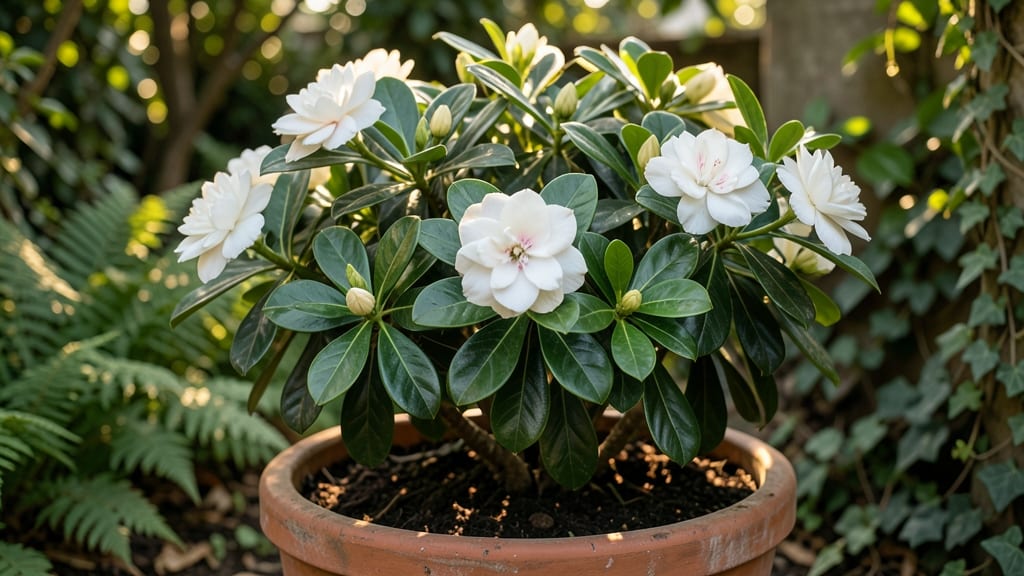
Florida’s gardenia bushes thrive where others fail—thanks to their love of humidity and heat. 🌿 I’ve grown them here for years, and the secret to their year-round blooms lies in mimicking their natural tropical habitat.
Too many gardeners struggle because they treat gardenias like delicate ornamentals, but in Florida, they’re tough survivors if you get a few key things right.
The first rule is soil: gardenias hate soggy feet but need consistent moisture. Amend your Florida clay with 3-4 inches of organic matter—think compost or peat moss—to keep roots happy without waterlogging.
They also demand morning sun and afternoon shade to prevent leaf scorch, which is brutal in our summer heat. Prune right after blooming to encourage fresh growth, but never cut into old wood—those branches hold next year’s buds.
What you’ll end up with is a bush blanketed in creamy-white, intoxicatingly fragrant blooms from spring through fall, with some winter flowers if you protect them from rare cold snaps.
The scent alone makes the effort worth it, but the low-maintenance nature is the real game-changer—once established, they’re nearly indestructible in Florida’s climate.
Watch for scale insects, which love gardenias here, and treat them early with horticultural oil. And if your bushes suddenly stop blooming? It’s usually overwatering or not enough sunlight—two easy fixes that make all the difference. Let’s get yours thriving!
📚 In This Guide
- What you need
- Instructions
- Tips and common mistakes
- Wrapping up and next steps
What you need
- ● Gardenia plant: Choose a Gardenia jasminoides (capable of handling Florida’s heat and humidity). Opt for a 1-2 gallon container-grown plant for best establishment.
- ● Well-draining potting mix: 3-5 gallons of a blend like 50% peat moss, 30% perlite, and 20% compost (or a pre-mixed acidic soil for azaleas/camellias).
- ● Container or in-ground planting spot: Container: A 15-20 gallon pot with drainage holes (terracotta or plastic).
- ● In-ground: A 3-4 ft wide x 3-4 ft deep hole with amended soil (see below).
- ● Acid-loving plant fertilizer: A balanced (e.g., 6-6-6 or 8-3-9) or acidic (e.g., 16-4-8) formula (follow package instructions for dosage).
- ● Mulch: 2-3 inches of pine bark or pine fines (keeps roots cool and retains moisture).
- ● Watering can or hose with gentle spray nozzle: For deep, consistent hydration (gardenia hates soggy roots!).
- ● Garden trowel or shovel: For digging and transplanting.
- ● Pruning shears: Bypass pruners (sterilized with rubbing alcohol) for shaping.
- ● pH testing kit: To confirm soil acidity (ideal range: 5.0–6.5).
- ● Epsom salt: 1 tbsp/month in water (boosts magnesium for vibrant blooms).
- ● Shade cloth (30-50% coverage): For afternoon sun protection in Florida’s intense heat.
- ○ Plant supports (optional): If your gardenia grows tall, a lightweight stake can help.
Step-by-Step instructions for planting and cultivating gardenia bushes in Florida
Here’s how to create the ideal conditions for lush, fragrant gardenia bushes that thrive in Florida’s humidity.
🌱 Step 1: Select the Right Location and Soil Conditions
Gardenias crave partial shade—think dappled sunlight with 4-6 hours of morning sun and afternoon shade. In Florida’s intense heat, direct afternoon sun scorches leaves and flowers. I always plant mine near a building wall or under a light canopy where roots stay cool but leaves get gentle morning rays.
Amend your native soil with 3 inches of organic matter—I use a mix of peat moss and compost—to improve drainage and acidity. Gardenias demand acidic soil (pH 5.0-6.5). Test your soil first; if it’s alkaline, mix in sulfur or pine bark fines to lower the pH. The roots will reward you with vigorous growth and heavy blooms.
🪴 Step 2: Plant with Proper Spacing and Mulching
Dig a hole twice as wide as the root ball but only as deep—planting too deep suffocates roots. Gently loosen the root mass before setting it in, then backfill with the amended soil. Space bushes 6-8 feet apart to allow airflow, which prevents fungal diseases like powdery mildew that plague gardenias in Florida’s muggy summers.
Apply a 3-inch layer of mulch—I prefer pine bark or cypress mulch—keeping it 6 inches away from the trunk. This mimics the acidic, moisture-retentive forest floor where gardenias thrive naturally. Water deeply after planting to settle the soil and eliminate air pockets around the roots.
☀️ Step 3: Water and Fertilize for Optimal Growth
Water deeply 2-3 times per week during Florida’s dry season, ensuring the top 6 inches of soil stay moist but never soggy. Overwatering in heavy clay soils leads to root rot. I check moisture by sticking my finger 2 inches down—if it’s dry, it’s time to water. In the heat of summer, morning watering prevents fungal issues that thrive in damp evening air.
Feed gardenias monthly with an acidic fertilizer (like 10-10-10 or 8-3-9) from spring through fall. I also add Epsom salt (1 tablespoon per gallon of water) every 6 weeks to boost magnesium, which keeps leaves vibrant. Avoid high-nitrogen fertilizers—they produce lush foliage but fewer blooms.
✂️ Step 4: Prune Strategically for Blooms and Shape
Prune gardenias right after flowering (late spring) to shape the bush and encourage new growth. Remove dead, diseased, or crossing branches first, then trim back leggy stems by one-third to promote bushier growth. I avoid heavy pruning—gardenias bloom on new wood, so aggressive cuts reduce next year’s flowers.
Thin out crowded centers to improve airflow, which is critical in Florida’s humidity. Use sterilized pruners to prevent bacterial infections. After pruning, apply a light layer of mulch to retain moisture and keep roots cool during Florida’s brutal summers.
🌿 Step 5: Protect from Pests and Seasonal Challenges
Watch for scale insects, mealybugs, or spider mites, which love gardenias. I spray with neem oil or horticultural oil at the first sign of infestation—these pests thrive in Florida’s heat and can defoliate plants quickly. For severe cases, a systemic insecticide works, but I prefer organic methods first.
In winter, gardenias in Florida’s Zone 9-11 may drop leaves if temperatures dip below 40°F. While they’re tough, a light frost can damage new growth. If you’re in a colder microclimate, group bushes together for mutual warmth and mulch heavily to insulate roots.
Tips & tricks for perfect gardenia bush cultivation in Florida
Here's what I've learned after years of growing these fragrant beauties in Florida's challenging climate.
Lighting Strategy: The 4-6 hours of morning sun in Step 1 is non-negotiable for Florida gardenias. I've found that positioning bushes on the east side of buildings or under tall palm trees creates the perfect dappled light effect. If you notice leaves turning yellow in late afternoon, it's a sign they're getting too much direct sun—move them to a shadier spot immediately.
Soil Science: That 3-inch layer of organic matter in Step 1 is your secret weapon against Florida's alkaline soils. I've had the best success using a mix of peat moss and well-aged compost—this combo maintains the critical pH 5.0-6.5 range while improving drainage. Pro tip: Test your soil every spring; Florida's limestone-heavy soils can neutralize over time, requiring additional sulfur applications.
Watering Wisdom: The 2-3 times per week watering schedule in Step 3 works beautifully, but timing matters more than frequency. I've learned that watering in the early morning (before 8 AM) prevents fungal spores from settling on wet leaves overnight. For container gardenias, check soil moisture daily—they dry out faster in Florida's heat, and letting them go too long between waterings causes bud drop.
Pruning Precision: When you're trimming back those leggy stems by one-third in Step 4, focus on creating an open center shape. This isn't just about aesthetics—it's about airflow. I've seen gardenias in Florida's humidity develop powdery mildew within weeks when pruned too aggressively. Always use sterilized tools and make clean cuts at a 45-degree angle to prevent disease entry points.
Pro Tips for Gardenia Bush Florida
- Here's what I've learned after years of growing these fragrant beauties in Florida's challenging climate.
- Lighting Strategy: The 4-6 hours of morning sun in Step 1 is non-negotiable for Florida gardenias. I've found that po...
- Soil Science: That 3-inch layer of organic matter in Step 1 is your secret weapon against Florida's alkaline soils. I...
Frequently asked questions
Got questions about growing Gardenia bushes in Florida’s humid climate? You’re not alone!
Here are the answers to the most common queries—from planting tips to troubleshooting—so you can enjoy those fragrant blooms all year long.
When is the best time to plant a gardenia bush in Florida?
Plant gardenias in early spring or late summer (March–April or August–September) to avoid extreme heat or cold. Florida’s mild winters let you plant year-round, but spring or fall gives roots time to establish before summer’s intensity. Pro tip: Water deeply after planting and mulch to retain moisture!
Why aren’t my gardenia leaves yellowing or dropping?
Yellow leaves or leaf drop often signal overwatering, poor drainage, or nutrient deficiency. Check soil moisture—gardenia roots hate soggy conditions. Amend soil with peat moss or sand for better drainage, and fertilize with acid-loving plant food (like 8-3-9) every 6–8 weeks. Pro tip: Test soil pH (ideal: 5.0–6.5)—lime can help if it’s too acidic!
Do gardenias need full sun, or can they grow in partial shade?
While gardenias thrive in full sun (6+ hours/day), Florida’s intense afternoon sun can scorch leaves. Morning sun + afternoon shade (via trees or a lattice) works well, especially in central or southern Florida. In north Florida, full sun is usually fine. Pro tip: Prune nearby branches to avoid shade competition!
What pests or diseases should I watch for in Florida gardenias?
Florida gardenias commonly face scale insects, spider mites, and fungal diseases (like powdery mildew). Neem oil or insecticidal soap tackles pests, while pruning for airflow prevents mildew. Pro tip: Inspect leaves weekly—early action stops outbreaks fast!
Can I grow gardenias in containers, or do they need to be planted in the ground?
Yes! Gardenias adapt well to large containers (15+ gallons) with drainage holes. Use a peat-based, acidic potting mix and repot every 2–3 years. Container gardenias need more frequent watering and winter protection (move indoors or wrap pots). Pro tip: Fertilize container plants monthly—they deplete nutrients faster!
Are there Florida-friendly gardenia alternatives with similar fragrance?
If gardenias seem high-maintenance, try Jasmines (trailing or star jasmine) or Plumeria for fragrant blooms. Allamanda offers tropical charm with fewer humidity struggles. Pro tip: For shade-tolerant options, Confederate jasmine thrives in Florida’s filtered light!
Wrapping up and next steps
Growing a gardenia bush in Florida is a rewarding journey that brings fragrant, creamy-white blooms to your landscape year-round—thanks to the state’s perfect humidity and warm climate! 🌸 With the right soil, sunlight, and care, you’ll enjoy lush foliage and intoxicating fragrance that transforms any outdoor space.
Whether you’re a seasoned gardener or just starting, this beauty is well worth the effort.
Ready to elevate your garden? Start by selecting a healthy plant, prepping your soil, and giving it the love it deserves. Next up: Watch your gardenia thrive with consistent pruning, pest management, and a little patience—your fragrant paradise awaits! 🌿✨