
Tools
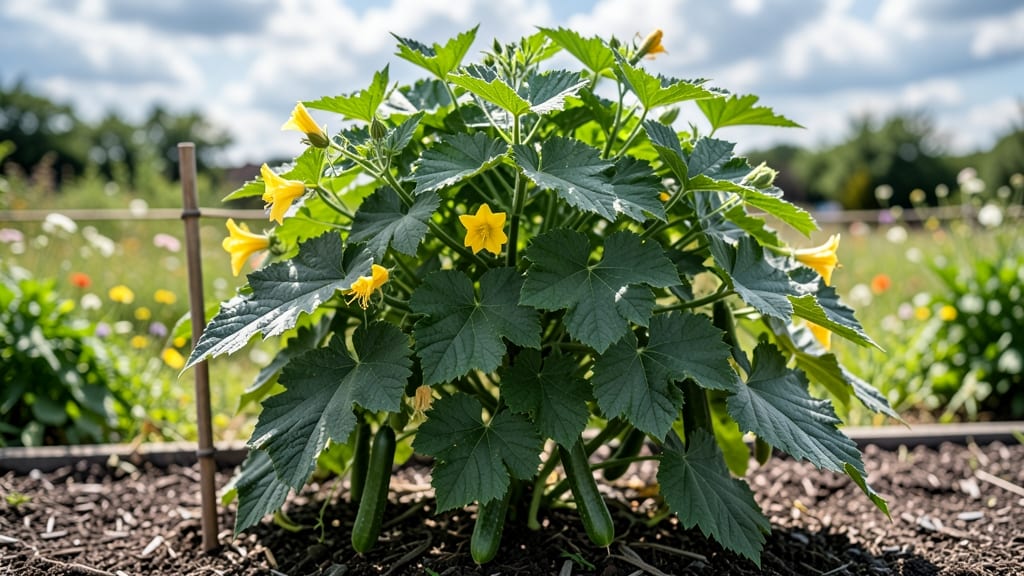
The Garden Bush Slicer Hybrid Cucumber turns chaotic vines into orderly, high-yielding plants—no jungle required. 🌱 I’ve grown this variety for three seasons, and the difference between tangled sprawl and neat, productive bushes is all in the training.
These compact plants produce 20-30% more cucumbers in the same space as traditional vining types, making them perfect for small gardens or containers.
This hybrid thrives in 5-6 hours of morning sun, tolerates heat better than many slicing cucumbers, and stays compact at 3-4 feet tall—ideal for trellises, cages, or even hanging baskets.
The secret to their productivity? Precision pruning and consistent watering (never soggy soil). They’re also disease-resistant, so you’ll spend less time fighting mildew and more time harvesting crisp, sweet cucumbers.
By mid-July, you’ll be picking 3-5 cucumbers per plant weekly, and the flavor stays consistent all season. The bush habit means no sprawling vines to manage, and the determinate growth pattern makes them beginner-friendly—no need for fancy trellis skills.
Plus, they’re great for container growing (5-gallon pots work) if you’re short on space.
Here’s the kicker: these plants self-regulate—they stop growing when they’ve produced enough fruit, so you won’t end up with a mountain of cucumbers all at once. Perfect for small plots, urban gardens, or even a sunny windowsill with the right setup. Let’s get those vines under control!
📚 In This Guide
- What you need
- Instructions
- Tips and common mistakes
- Wrapping up and next steps
What you need
- ● Pruning shears or garden scissors: Sharp, bypass-style shears (4-6 inch blades) for clean cuts. (2-3 pairs recommended for larger gardens.)
- ● Gloves: Heavy-duty gardening gloves (nitrile or leather) to protect hands from thorns and rough vines.
- ○ Harvesting basket or bucket: A 10-15 gallon container with a handle for easy transport. (Optional: Use a mesh bag to prevent bruising.)
- ○ Spray bottle (optional but handy): Fill with water to mist vines and reduce stress on the plant during harvesting.
- ○ Markers or flags (optional): Small stakes or plant tags to mark harvested areas for tracking growth.
- ● A healthy, established Garden Bush Slicer Hybrid plant (vines should be 3-5 feet long with visible fruit).
- ● Knowledge of harvesting best practices—aim to pick when cucumbers are 6-8 inches long for optimal flavor and texture.
- ● Access to partial shade or a cool workspace to sort and store harvested cucumbers post-cutting.
Step-by-Step guide to harvesting bush Slicer hybrid cucumbers
This hybrid thrives on precision—harvest at the right time, and you'll get crisp, flavorful cucumbers all season.
🌱 Step 1: Identify the Perfect Harvest Window
Bush Slicer hybrids produce cucumbers in 70-75 days from transplant, but timing matters more than days alone. Watch for dark green, firm cucumbers about 6-8 inches long—any longer and they’ll turn seedy and bitter. Run your thumb along the cucumber’s skin; if it feels slightly bumpy (like a textured baseball), it’s ready. Smooth skin means it’s too young.
Harvest in the early morning when cucumbers are coolest and crispest. The vines produce best when you pick consistently—every 2-3 days during peak production. I always grab a basket and check the plants first thing, before the sun warms them. This hybrid won’t overproduce like vining types, so you’ll never be overwhelmed, but don’t let cucumbers linger past 8 inches—they’ll start sacrificing flavor for size.
✂️ Step 2: Use the Right Tools and Technique
Never pull cucumbers from the vine—always cut with clean, sharp pruning shears to avoid damaging the plant. Hold the cucumber firmly at the base and cut ½ inch above the stem where it meets the vine. This small gap prevents rot from splashing water during irrigation. I keep a small bucket of 70% rubbing alcohol nearby to wipe the shears between cuts—this prevents spreading bacterial wilt, a common issue with cucumbers.
Work from the bottom of the vine upward. Bush Slicers produce fruit along the main stem and side branches, so focus on the oldest cucumbers first. This encourages the plant to redirect energy to newer flowers, keeping production steady. If you see yellowing leaves near the base, it’s a sign the plant is directing energy upward—harvest aggressively to support that growth. Never leave cucumbers on the vine past 10 inches, even if they look perfect—bitter cucumbers ruin the harvest.
💧 Step 3: Post-Harvest Care for Continued Production
After harvesting, water deeply to replace moisture lost during the day’s heat. Bush Slicers have shallow roots, so 1 inch of water per week (including rainfall) keeps them thriving. I water in the late afternoon so the leaves dry before evening—this prevents fungal diseases like powdery mildew, which loves damp foliage. Avoid wetting the leaves directly; aim the hose at the base of the plant or use a drip irrigation system.
Fertilize lightly with a balanced 10-10-10 formula 7-10 days after harvest if new flowers appear. Too much nitrogen now will push leafy growth over fruit production. I always check the soil first—if it’s dry 1 inch below the surface, that’s your cue to water and fertilize. Bush Slicers respond poorly to stress, so keep the soil consistently moist but never soggy. Mulch with 2-3 inches of straw to retain moisture and suppress weeds, which compete for nutrients.
☀️ Step 4: Monitor for Pests and Disease
Cucumber beetles and aphids are the biggest threats to Bush Slicers. I inspect the undersides of leaves daily for yellow spots or chewed edges—early signs of infestation. If you spot striped or spotted cucumber beetles, handpick them into soapy water immediately. For aphids, a strong spray of water from the hose often knocks them off. Preventative neem oil spray (applied at dusk) every 10 days keeps pests away without chemicals.
Watch for powdery mildew as a white, flour-like dust on leaves. This fungal disease thrives in humid, shady conditions, so improve airflow by pruning crowded vines and ensuring 6-8 hours of sunlight daily. If mildew appears, treat with baking soda spray (1 tablespoon baking soda + 1 quart water + a drop of dish soap) and remove severely infected leaves. Bush Slicers are more resistant than vining types, but prevention is key—never let the plant look stressed.
⏰ Step 5: Extend the Harvest Season
Bush Slicers produce for 6-8 weeks if conditions are ideal, but you can stretch that with a few tricks. Succession planting every 2 weeks in warm climates ensures a continuous supply. If frost threatens, harvest everything and store cucumbers in the fridge for up to 2 weeks—they’ll stay crisp but lose some flavor over time. I always save the best seeds from the healthiest, most productive plants for next season by letting 2-3 cucumbers mature fully on the vine until they turn yellow and dry.
At season’s end, cut the vines back to the ground and compost the remaining plant material—unless you see signs of disease, in which case discard it in the trash to prevent soil contamination. Rotate crops next year; don’t plant cucumbers or squash in the same spot for 3 years. This breaks disease cycles and keeps your soil healthy. Bush Slicers are forgiving, but consistent care is what turns a good harvest into a great one.
Tips & tricks for perfect bush Slicer harvests
Precision is everything when working with these compact cucumber plants—small mistakes can turn crisp harvests into bitter disappointments.
Harvest Timing Secret: The 6-8 inch size guideline is your golden rule, but don't rely solely on measurements. In Step 1, I check for three things simultaneously: the cucumber's length, the firmness when squeezed gently, and that signature bumpy texture. Morning harvests are non-negotiable—cucumbers lose crispness fast in the heat. I've ruined batches by waiting until afternoon when the vines had already started converting sugars into starches, making them mealy. The early morning window gives you that perfect balance of hydration and sweetness.
Tool Technique: Step 2's pruning shears recommendation isn't just about clean cuts—it's about plant health. I've seen gardeners pull cucumbers, and while it works, you risk tearing the vine's delicate tissues. That ½-inch gap above the stem isn't arbitrary; it creates a natural barrier that prevents water from pooling at the cut site, which is how bacterial wilt often takes hold. Keep that 70% rubbing alcohol handy—it's the difference between a healthy vine and one struggling with disease. I maintain a small spray bottle of water mixed with a few drops of dish soap for quick cleanups between cuts.
Post-Harvest Strategy: After harvesting, don't just water—perform a complete plant check. In Step 3, that 1 inch of water per week includes rainfall, so if you've had heavy rains, you might need to skip watering entirely. The real secret is the soil check: stick your finger 1 inch down. If it's dry, water deeply; if it's damp, wait. Overwatering is the #1 cause of powdery mildew in my garden. And that straw mulch? It's not just for looks—it creates a microclimate that keeps roots consistently moist while preventing soil-borne diseases from splashing onto leaves during irrigation.
Pest Prevention: The undersides of leaves in Step 4 are where pests hide—literally. I use a small handheld magnifying glass to inspect them daily during peak production. For those stubborn aphids, I've found that a spray bottle with just water works better than soapy solutions because it doesn't harm beneficial insects. The neem oil spray at dusk is particularly effective because it gives the oil time to absorb into the plant overnight without burning the leaves in sunlight. I apply it when the plants are dry to maximize coverage.
Pro Tips for Garden Bush Slicer Hybrid Cucumber
- Precision is everything when working with these compact cucumber plants—small mistakes can turn crisp harvests into bitter disappointments.
- Harvest Timing Secret: The 6-8 inch size guideline is your golden rule, but don't rely solely on measurements.
- Tool Technique: Step 2's pruning shears recommendation isn't just about clean cuts—it's about plant health.
Frequently asked questions
Got questions about growing and harvesting Garden Bush Slicer Hybrid Cucumbers? You’re not alone! Here are some of the most common queries—and their straightforward answers—to help you grow like a pro.
How long does it take for Garden Bush Slicer cucumbers to mature?
The Garden Bush Slicer Hybrid typically reaches maturity in 55–65 days after planting, depending on your climate and growing conditions. Start seeds indoors 3–4 weeks before the last frost, or plant directly in warm soil (60°F+). Patience pays off—these vines thrive with consistent warmth and sunlight!
Can I grow Garden Bush Slicers in containers, or do they need a garden bed?
These compact vines are perfect for containers (5+ gallons) or raised beds. Just ensure the pot has drainage holes and support for vines (like a trellis or cage). For containers, use a lightweight potting mix and fertilize every 2–3 weeks. Pro tip: Prune lower leaves to improve airflow and reduce disease risk.
Why are my cucumbers turning yellow or bitter?
Yellowing or bitter cucumbers often signal overmaturity, stress, or poor pollination. Harvest regularly to encourage new growth, and check for:
If you prefer other cucumber types, consider these Garden Bush-friendly alternatives:
Cucumber beetles are pesky but manageable! Try these organic solutions:
If bitterness persists, try a different hybrid or harvest earlier!
What’s the best alternative if I don’t like slicing cucumbers?
Variety
Best For
Days to Maturity
Bush Champion
Pickling
55–60 days
Sweet Success
Snacking/salads
60–65 days
Spacemaster
Slicing + container growth
60–65 days
How do I protect my cucumbers from pests like cucumber beetles?
Early intervention is key—check plants daily during outbreaks!
Wrapping up and next steps
The Garden Bush Slicer Hybrid Cucumber is a game-changer for gardeners seeking high yields with minimal fuss! 🌱 With its compact vines and prolific fruit production, this variety proves that big harvests don’t require endless space.
Whether you’re a seasoned gardener or just starting out, this hybrid offers precision, productivity, and ease—perfect for small plots or container gardening.
Ready to grow? Start by choosing your tools, prepping your space, and planting your seeds or seedlings this season. Your garden (and taste buds!) will thank you.