
Vegetables
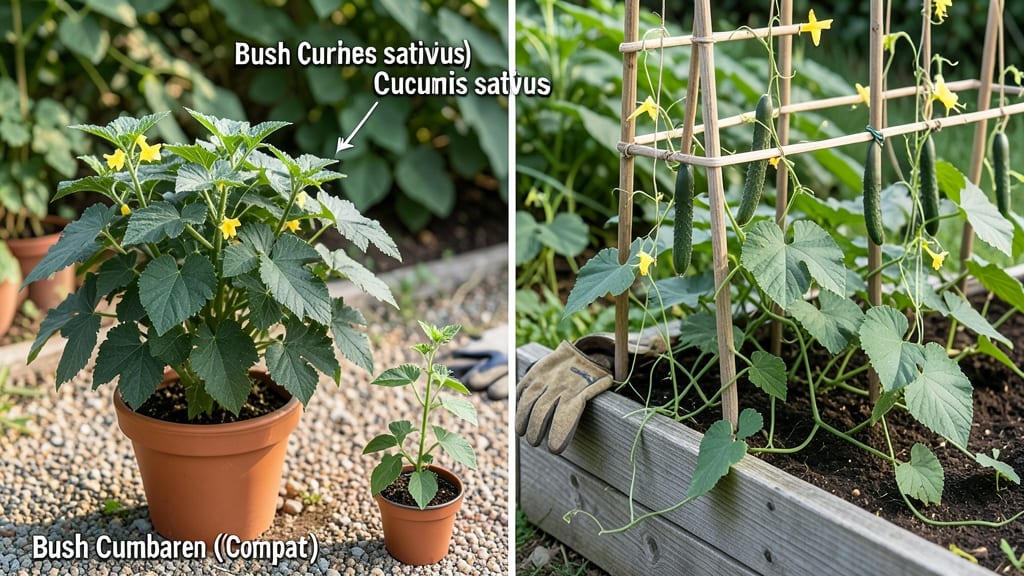
Choosing between bush cucumbers and vine cucumbers can make or break your harvest—especially when space is tight or you're aiming for maximum productivity. 🌱 I've grown both in my backyard and balcony containers, and the differences go beyond just how they sprawl.
Bush types stay compact, while vining varieties stretch for support, changing everything from planting plans to pest management.
Bush cucumbers are the foolproof pick for small gardens or containers, producing fruit along their entire stem without needing trellises. They yield slightly less per plant but make up for it with easier care and faster harvests—perfect for beginners or urban gardeners.
Vine cucumbers, on the other hand, climb vertically, saving ground space but requiring sturdy trellises and more maintenance. They produce heavier yields when given room to spread.
If your garden is cramped or you're growing in pots, bush varieties are the clear winner—they stay tidy and productive with minimal fuss. For larger plots or trellis setups, vine cucumbers deliver more cucumbers per square foot when trained properly.
The choice boils down to whether you prioritize convenience or maximum harvest.
Here's the kicker: many hybrid varieties now bridge the gap, offering bush-like growth with vine-level productivity. Test a few in your space this season—you might just find the perfect middle ground.
The right choice depends on your garden's layout, your time for maintenance, and how many cucumbers you're willing to chase down in the yard.
The first product explained
Meet the Bush Cucumbers—the compact, space-saving superstars of your garden! 🌱🥒 If you're dreaming of a bountiful cucumber harvest but are short on space or prefer a low-maintenance approach, these varieties are your perfect match. Designed for smaller gardens, containers, or even balconies, bush cucumbers grow in a compact, bushy form rather than sprawling vines, making them ideal for urban gardeners and beginners alike.
📏 Key Specs & Features
Bush cucumbers are bred to thrive in a 3–4 foot diameter space, eliminating the need for trellises or extensive row coverage. Here’s what sets them apart:
- Growth Habit: Determinate (bushy) – produces fruit all at once, perfect for pickling or fresh eating.
- Height: Typically 2–3 feet tall (no climbing required!).
- Yield: High-density production in a small footprint; expect 10–20 pounds per plant in a single harvest.
- Sunlight Needs: Full sun (6–8 hours daily) for optimal growth.
- Soil Preference: Well-draining, fertile soil with a pH of 6.0–6.8.
- Days to Maturity: 50–60 days from seed to harvest.
🎯 Who Are They For?
Bush cucumbers are a dream for:
- Small-space gardeners (containers, patios, or raised beds).
- First-time growers—their self-contained growth reduces complexity.
- Urban farmers with limited yard space.
- Picklers and snackers who love uniform, easy-to-harvest fruit.
💰 Price Point & Where to Buy
Seeds for bush cucumbers are budget-friendly and widely available. Expect to pay:
- Seeds: $2–$5 per packet (enough for 5–10 plants). Popular varieties include 'Bush Champion' or 'Spacemaster'.
- Young Plants: $3–$6 each at nurseries or garden centers (spring/summer).
Pro Tip: 💡 Buy organic or heirloom seeds for better flavor and disease resistance!
The second product explained
If you’re dreaming of a low-maintenance, space-saving cucumber harvest but still crave that classic vine-grown flavor, meet the Bush Champion cucumber—a compact, high-yielding variety that’s stealing the spotlight in home gardens! 🌱✨ This hybrid gem is perfect for containers, small plots, or urban gardens where sprawling vines just won’t cut it.
📏 Key Specs & Features
- Growth Habit: Bush-type (compact, 2–3 ft tall, no trellis needed!)
- Yield: 8–12 lbs per plant (ready in ~55–60 days!)
- Fruit Type: Slicing cucumbers (4–6" long, crisp, and sweet)
- Disease Resistance: Powdery mildew & downy mildew resistant (great for humid climates!)
- Pollination: Parthenocarpic (produces fruit without bees—ideal for greenhouses or cool areas).
🎯 Who’s It For?
This cucumber is a game-changer for:
- 🏡 Urban gardeners with balconies or patios (thrives in 5-gallon containers!).
- 👩🌾 Busy bee gardeners who want less fuss, more harvest.
- 🌍 Small-space farmers maximizing yield in tight rows.
- 🌡️ Cooler climates (tolerates temps down to 50°F—better than many vining types!).
💰 Price & Availability
You’ll typically find Bush Champion seeds or starter plants priced between $2.50–$4.50 per packet (seeds) or $3–$6 per plant (starts). Prices vary by retailer, but the cost-per-pound yield often beats vine varieties—especially when you factor in no trellis or staking costs!
💡 Pro Tip: Buy from reputable seed companies like Baker Creek Heirloom Seeds or Burpee for guaranteed disease resistance and germination rates.
🌿 Growing Perks
| ✅ Pros | ❌ Cons |
|---|---|
| No trellis = zero climbing mess! | Slightly smaller fruit than giant vine varieties (but still delicious!). |
| Faster maturity = earlier harvests. | May need hand-pollination in extreme heat (though parthenocarpic types help!). |
| Disease-resistant = fewer sprays = happier you! | Not ideal for pickling (fruit size varies more than heirloom vines). |
Head-to-head comparison
Deciding between bush cucumbers and vine cucumbers for your garden? Let’s break it down in a clear, side-by-side comparison to help you pick the perfect fit for your space, time, and goals.
Whether you’re a backyard gardener with limited room or a seasoned pro with sprawling plots, this breakdown will guide you through the key differences—so you can grow like a pro! 🌱🍉
🌿 Growth Habit & Space Requirements
If space is your biggest concern, this is where the two types diverge dramatically.
| Factor | Bush Cucumbers | Vine Cucumbers |
|---|---|---|
| Growth Type | Compact, bushy (determinate), and self-contained—no trellis needed! | Long, rambling vines (indeterminate) that can sprawl 10–20+ feet. |
| Space Needed | Ideal for small gardens, containers, or raised beds (3–4 sq ft per plant). | Requires trellises, fences, or large garden plots (10+ sq ft per plant). |
| Vertical Support? | No—grows in a mounded shape. | Yes—must be trained upward to save space and improve airflow. |
| Best For | Urban gardens, patios, or limited-space growers. | Large gardens, greenhouses, or traditional row crops. |
Pro Tip: 💡 If you’re short on space but love vine cucumbers, try bush varieties with dwarf traits (e.g., 'Bush Champion' or 'Spacemaster'). They’re a happy medium!
🌱 Yield & Productivity
How much can you expect from each type? Let’s crunch the numbers!
| Factor | Bush Cucumbers | Vine Cucumbers |
|---|---|---|
| Harvest Duration | Short & concentrated (2–3 weeks of peak production). | Long & extended (harvest for weeks to months if pruned well). |
| Total Yield per Plant | Moderate (10–20 cucumbers per plant, all at once). | High (50+ cucumbers over the season if cared for properly). |
| Fruit Size | Consistently smaller (ideal for pickling or snacking). | Can grow larger (better for slicing or market sales). |
| Best For | Quick harvests, preserving, or small families. | Continuous harvests, large batches, or selling at farmers' markets. |
Pro Tip: ✨ For vine cucumbers, prune aggressively to encourage more fruit production—remove suckers and yellow leaves to redirect energy to cucumbers!
🌞 Sun & Care Requirements
Both types love the sun, but their care needs differ slightly.
| Factor | Bush Cucumbers | Vine Cucumbers |
|---|---|---|
| Sunlight Needs | 6–8 hours of full sun (tolerates partial shade better). | 8+ hours of full sun (needs intense light for best yields). |
| Watering Needs | Consistent moisture (1–1.5 inches per week); drought-tolerant once established. | High moisture (1.5–2 inches per week); drought-sensitive—vines wilt easily. |
| Soil Preferences | Adaptable (thrives in well-draining, fertile soil). | Demands rich, nutrient-heavy soil (add compost or fertilizer regularly). |
| Pest/Disease Risk | Lower risk (compact growth = better airflow). | Higher risk (dense vines trap moisture, attracting powdery mildew and pests). |
Pro Tip: 🌡️ Vine cucumbers hate humidity—space plants 3–4 feet apart and use mulch to prevent soil-borne diseases.
💰 Cost & Accessibility
Your wallet will thank (or groan at) this comparison!
| Factor | Bush Cucumbers | Vine Cucumbers |
|---|---|---|
| Seed Cost | Generally cheaper (heirloom or hybrid packs ~$2–$4). | Can be more expensive (especially for high-yield varieties, ~$3–$6). |
| Startup Costs | Low (no trellis needed; just soil and space). | Moderate (trellis, stakes, or cages add $10–$30 upfront). |
| Long-Term Savings | Great for small-scale growers (less maintenance = more time for other crops). | Better for large-scale harvests (higher yield justifies the extra care). |
| Where to Buy | Easy to find at local nurseries, big-box stores, or online. | May require specialty seed suppliers for rare varieties. |
Pro Tip: 🎯 Save seeds! Both types produce fertile seeds—dry and store them for next year to cut costs.
🛡️ Durability & Longevity
Which one should you choose?
So, which cucumber reigns supreme in your garden? The answer depends on your space, time, and goals—but we’ve got you covered! Here’s the final verdict to help you decide:
🌱 Pick Bush Cucumbers If...
- Space is limited: Perfect for balconies, containers, or small plots—no sprawling vines to manage! 🏡
- You want low maintenance: Less pruning, fewer trellises, and fewer pests (like squash bugs) targeting the soil.
- You’re a beginner or busy gardener: Fewer stakes, less training, and quicker harvests (though yields may be smaller).
- You love variety: Bush types like ‘Bush Champion’ or ‘Spacemaster’ offer sweet, crunchy fruit without the vine drama.
🌿 Pick Vine Cucumbers If...
- You have room to grow: Ideal for large gardens, trellises, or vertical spaces—maximize harvests with upward growth! 🏞️
- You crave bigger yields: Vine varieties (like ‘Straight Eight’ or ‘Marketmore’) produce more fruit over a longer season.
- You’re okay with extra work: Trellising, pruning, and pest control require more effort, but the payoff is worth it for cucumber enthusiasts.
- You love classic slicing or pickling cucumbers: Vine types often have thicker skins and longer fruit—perfect for recipes! 🥒
💡 Pro Tip for Hybrid Gardens:
Why choose? Mix both! Plant bush cucumbers in containers or along fences for easy access, then dedicate a trellis to vine varieties for high yields. It’s the best of both worlds—and your garden will thank you!
Still unsure? Start small: Try a few bush plants this year, then expand with vines next season. Happy gardening! 🌱💚