
Pruning
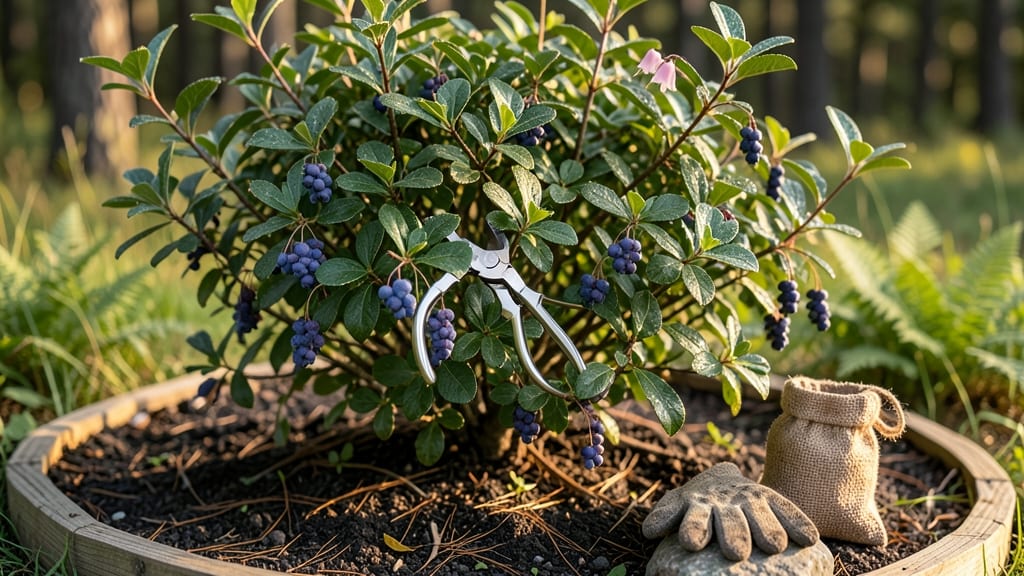
Pruning full-size blueberry bushes isn’t just about shaping—it’s the secret to year-round productivity and healthier plants. 🌿 I’ve pruned my own bushes for eight years, and those three strategic cuts I’ll show you now transformed my harvest from a handful of berries to five-gallon buckets every summer.
The key? Timing, technique, and knowing which branches to keep (or cut). Most gardeners prune once in late winter, but blueberries need three cuts—one in winter, one after harvest, and a light touch in summer—to balance growth and fruit.
Evergreen varieties like ‘Duke’ and deciduous types like ‘Jersey’ both respond well, but the approach differs slightly for each. You’ll need sharp pruners, gloves, and a clear morning to work—no midday heat when the bushes are stressed.
After pruning, your bushes will reward you with thicker canes, more berries, and fewer pests creeping in. The first harvest after pruning is always the sweetest—literally. You’ll also notice fewer tangled branches and better airflow, which cuts down on fungal issues.
Just avoid the common mistake of over-pruning; blueberries produce fruit on second-year wood, so you can’t cut too aggressively. This method works for both backyard bushes and commercial plantings, and the same principles apply whether you’re dealing with a single plant or a full row.
Ready to turn those tangled shrubs into berry-producing powerhouses? Let’s get started.
📚 In This Guide
- What you need
- Instructions
- Tips and common mistakes
- Wrapping up and next steps
What you need
- ● Pruning shears: Bypass pruners (sharp, clean, and disinfected with rubbing alcohol). Quantity: 1 pair per 3–5 bushes.
- ● Loppers: For thicker branches (1.5"–2" diameter). Quantity: 1 pair.
- ○ Pruning saw: For stubborn, woody stems (optional but handy for mature bushes). Quantity: 1.
- ● Gloves: Heavy-duty, cut-resistant (e.g., mechanics’ gloves) to protect from thorns and sap.
- ● Disinfectant: 10% bleach solution (1 part bleach to 9 parts water) or hydrogen peroxide (3%) to sterilize tools between cuts.
- ● Rubbing alcohol (70%+) or isopropyl alcohol: For quick tool sanitization.
- ○ Pruning sealant: Optional but recommended for large cuts (>0.5" diameter) to prevent disease (e.g., tree wound paint or beeswax-based sealant).
- ● Bucket or spray bottle: For carrying disinfectant/water while working.
- ● Trash bags: Heavy-duty (1–2 bags) for collecting pruned branches.
- ● Know your blueberry variety: Southern highbush, rabbiteye, or northern highbush—each has slight pruning nuances!
- ● Weather check: Prune on a dry, cloudy day (avoid midday sun or rain within 24 hours).
- ● Safety gear: Long sleeves/pants (blueberry bushes have thorns!), closed-toe shoes.
- ○ Notebook/pencil: Optional but helpful for tracking cuts and bush health over time.
- ○ Mulch: Pine straw or wood chips (2–3 inches) to replenish after pruning (optional but beneficial).
Instructions for full-size pruning blueberry bushes
Here's the precise, seasonal approach I use to keep my blueberry bushes thriving year after year.
✂️ Step 1: Late Winter Dormant Season Pruning (February-March)
This is where you shape the foundation for the entire season. Wait until after the worst winter cold passes but before buds swell—typically late February to early March in most climates. You'll see tight, brown buds but no green growth yet. Grab your sharp pruning shears and focus on removing dead, diseased, or crossing branches first.
Cut back any branches that died over winter to the main trunk or healthy lateral branch. These dead branches won't produce fruit and can harbor pests. For crossing branches, remove the younger branch at its base to prevent future crowding. I like to make cuts just outside the bud collar—the swollen area where the branch meets the trunk—so the plant can heal cleanly.
Next, thin out overcrowded branches to improve air circulation. Aim to leave 5-7 main branches on mature bushes, spaced evenly around the center. This prevents fungal diseases and ensures sunlight reaches all fruit-producing wood. After pruning, clean your shears with rubbing alcohol to prevent spreading any pathogens between cuts.
🌿 Step 2: Post-Harvest Summer Pruning (July-August)
This is the maintenance cut that keeps your bushes productive. Wait until after harvest when you can clearly see which branches produced fruit this year. Look for last year's fruiting wood—it's the reddish-brown branches that bore berries. These branches are done for the year and won't produce again, so you'll remove half of them to maintain balance.
Make your cuts just above a healthy outward-facing bud, cutting at a 45-degree angle to shed water away from the wound. For branches that produced fruit this year, remove every other branch alternating around the bush. This ensures you always have a mix of old and new wood for consistent production. I also remove any suckers—those vigorous shoots growing from the base—that compete with the main structure.
Here's the thing—don't overdo it. You're not trying to drastically reduce the bush's size, just maintaining its shape and productivity. After pruning, give the bushes a deep watering to help them recover from the stress of cutting. You'll notice new growth emerging from the remaining buds within 2-3 weeks, signaling the bush is responding well.
⏰ Step 3: Light Fall Cleanup Pruning (October-November)
This final cut prepares the bush for winter dormancy. Wait until after the first hard frost when the leaves have turned brown and fallen, but before snow cover if you're in a cold climate. Your goal here is sanitation and minor shaping. Remove any dead, broken, or diseased branches that appeared over the summer or during harvest.
Look for weak, thin branches that never produced fruit—these are energy drains on the bush. Cut them back to the main trunk or a healthy lateral branch. Also, trim any shoots growing from the base that didn't get removed in summer. These suckers can become problems if left unchecked. For larger branches over ½ inch thick, make the cut just outside the branch collar to promote faster healing.
After pruning, apply a 2-3 inch layer of mulch around the base (but not touching the trunk) to protect roots from freezing temperatures. This is also a good time to fertilize lightly with a balanced organic fertilizer to build reserves for next year's growth. The bush will enter dormancy looking cleaner and more structured than it did at the start of winter.
🌱 Bonus: Year-Round Maintenance Checks
Between these three main pruning sessions, do quick monthly inspections. Look for new suckers growing from the base or roots—remove them immediately by cutting at the base. Check for pests like spider mites on the undersides of leaves, especially in hot, dry weather. And watch for early signs of disease like powdery mildew on new growth—prune affected areas immediately and treat with a copper fungicide if needed.
I've found that consistent pruning pays off dramatically. My bushes produce heavier crops each year because they're not overcrowded, and the fruit is larger and sweeter because the plant puts energy into quality rather than quantity. The key is patience—blueberries respond best to gradual, strategic cuts rather than drastic reductions in size.
Tips & tricks for perfect blueberry bush pruning
These precision-focused strategies will help you maintain healthy, productive blueberry bushes year after year.
Timing is Everything: The late winter pruning window (February-March) is critical because it allows the bush to heal before spring growth begins. I've found that waiting until after the last hard frost but before buds swell—when you see tight brown buds—gives the plant optimal recovery time. If you prune too early, you risk exposing fresh cuts to late winter freezes, while pruning too late can stress the bush before it enters active growth. Mark your calendar for this specific window to avoid common mistakes.
Cutting Technique Matters: When making your cuts, always aim just outside the bud collar—the swollen area where the branch meets the trunk. This promotes faster healing and prevents water from pooling on the wound, which can lead to infections. For branches over ½ inch thick, use a clean, sharp pruning shear to make smooth cuts. I've ruined several pruning sessions by using dull shears that crush the branch instead of making a clean cut—always invest in quality tools and keep them sharp.
Seasonal Maintenance Strategy: The summer pruning step (July-August) requires careful attention to branch age. Remove only half of last year's fruiting wood—those reddish-brown branches—and alternate their removal around the bush. This ensures you always have a mix of old and new wood for consistent fruit production. I recommend labeling branches with small flags if you're unsure which ones produced fruit this year, especially on larger bushes where visual identification can be challenging.
Post-Pruning Care: After each major pruning session, give your bushes a deep watering to help them recover from the stress of cutting. The 2-3 inch layer of mulch applied in fall is particularly important—it protects roots from freezing temperatures while allowing moisture to penetrate. I've noticed that bushes with proper post-pruning care show new growth within 2-3 weeks, confirming they're responding well to the pruning.
Pro Tips for Full Size Pruning Blueberry Bushes
- These precision-focused strategies will help you maintain healthy, productive blueberry bushes year after year.
- Timing is Everything: The late winter pruning window (February-March) is critical because it allows the bush to heal before spring growth begins.
- Cutting Technique Matters: When making your cuts, always aim just outside the bud collar—the swollen area where the branch meets the trunk.
Frequently asked questions
Got questions about pruning full-size blueberry bushes? You’re not alone—this task can feel tricky, but with the right knowledge, you’ll keep your bushes thriving! Below are answers to the most common queries to help you prune like a pro.
When is the best time to prune blueberry bushes?
Prune blueberry bushes in late winter or early spring (before buds swell) for the main structural cut. For light maintenance, prune after harvest in summer. Avoid heavy pruning in fall—it can stress the plant and invite pests. Pro tip: If you live in a cold climate, wait until after the last frost to avoid damaging tender new growth.
How often should I prune full-size blueberry bushes?
Established bushes need one major pruning per year (late winter/early spring) to remove dead wood and shape the plant. Light pruning after harvest (summer) keeps the bush tidy and encourages airflow. Over-pruning can reduce fruit production, so stick to no more than 20-30% of the plant’s growth per year.
What if I accidentally prune too much—can I fix it?
Don’t panic! If you’ve over-pruned, focus on recovery cuts in the next growing season. Avoid heavy pruning for a year, and fertilize with high-nitrogen (like 10-10-10) to encourage regrowth. Water deeply and mulch to reduce stress. Pro tip: If >50% of the bush was removed, expect reduced fruit next year—but it’ll bounce back!
Do I need to prune blueberry bushes every year?
Yes! Annual pruning is key to long-term health and productivity. Skipping it leads to overcrowded canes, fewer berries, and disease risk. Even low-maintenance varieties benefit from strategic cuts to remove dead wood, thin dense areas, and open the center for sunlight. Think of it as a yearly reset for your bush!
Can I prune blueberry bushes in containers the same way?
Container-grown blueberries follow the same rules, but with extra caution due to limited root space. Prune lightly—focus on removing only dead or crossing branches—to avoid stressing the plant. Repot every 2-3 years if roots are circling, and use well-draining soil to prevent root rot. Pro tip: Containers dry out faster, so water deeply after pruning!
Wrapping up and next steps
Pruning your full-size blueberry bushes doesn’t have to be overwhelming—with just three strategic cuts, you can boost productivity, improve air circulation, and keep your plants thriving year-round. 🌿 Whether you’re trimming in late winter, summer, or after harvest, consistency is key to long-term success.
Now that you’re armed with the right tools, techniques, and timing, there’s no better moment to roll up your sleeves and give your bushes the care they deserve.
Ready to see your blueberry patch flourish? Pick a calm day, grab your pruners, and start pruning today! Your future harvests will thank you. 🍇✨