
Pruning
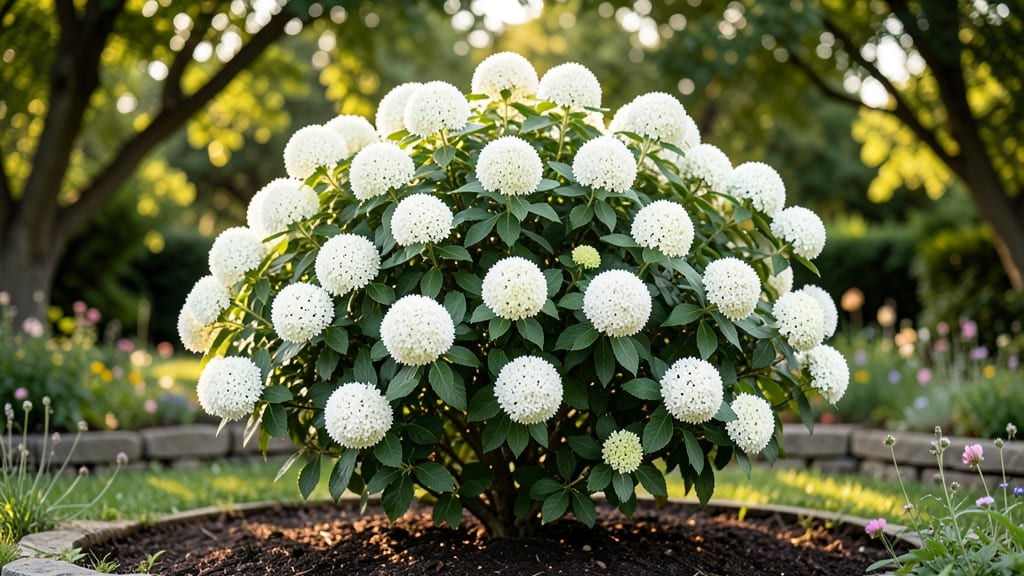
The fragrant snowball bush transforms any garden into a sensory sanctuary with its cloud-like blooms and intoxicating scent. 🌸 I’ve watched mine become the centerpiece of my backyard—drawing bees, hummingbirds, and neighbors alike with its effortless charm.
Unlike many shrubs that bloom once and fade, this one offers three seasons of interest: fragrant white flowers in spring, vibrant foliage in summer, and striking bark in winter.
Placement is everything—position it where you’ll brush against those blooms on warm evenings. Along a border, as a focal point near seating areas, or even as a fragrant hedge, it adds texture and fragrance without demanding constant attention.
Pair it with lavender, roses, or catmint to create a layered sensory experience that evolves with the seasons.
With just three simple pruning steps—cleaning up after blooming, shaping in late winter, and thinning out old wood—you’ll keep it lush and flowering for decades. The result? A shrub that looks like it belongs in a botanical garden, not your backyard, while requiring less fuss than most annuals.
Perfect for cottage gardens, modern landscapes, or even urban patios—this bush proves beauty and fragrance don’t need to be complicated. Let’s make yours the talk of the neighborhood without the high-maintenance drama.
📚 In This Guide
- What you need
- Instructions
- Tips and common mistakes
- Wrapping up and next steps
What you need
- ● Pruning shears – Bypass pruners (sharp, clean, and bypass-style for clean cuts; 6–8" blade length ideal).
- ● Loppers – For thicker branches (18–24" reach, ratchet-style for leverage).
- ● Garden gloves – Cut-resistant, breathable fabric (e.g., mechanics’ gloves for durability).
- ● Disinfectant – 70% isopropyl alcohol or bleach solution (1 part bleach to 9 parts water) to sterilize tools.
- ○ Pruning sealant – Optional but helpful for large cuts (>1" diameter; e.g., Tanglefoot Tree Wound Pruning Seal).
- ● Garden twine or zip ties – For temporary support if pruning heavy branches.
- ● Rake or leaf blower – To clear debris post-pruning.
- ● Hand pruners – For fine-tuning small branches (4–5" blade).
- ● Saw – Pruning saw with fine teeth for stubborn, woody stems.
- ● Ladder or step stool – For tall bushes (3–4 ft reach, non-slip base).
- ● Garden cart – To haul clippings and tools efficiently.
- ● Plant food or compost – Post-pruning boost (balanced 10-10-10 fertilizer or compost tea).
How to prune a fragrant snowball bush for continuous blooms
Here's the straightforward approach I use to keep my fragrant snowball bush flowering beautifully year after year.
✂️ Step 1: Prune After the First Major Bloom Cycle
After your snowball bush finishes its first big flush of blooms—usually in late spring—it's time to shape and encourage new growth. I wait until about 7-10 days after the last flower drops, when you can see fresh green leaves emerging from the stems. This timing ensures you're not cutting back into next year's blooms.
Use sharp, clean pruners to cut back about one-third of the oldest stems to just above an outward-facing bud. This opens up the center of the bush for better airflow and light penetration. Real talk: I always mark the stems with a piece of tape first so I don't accidentally remove too many. The goal is to maintain a rounded shape while removing any crossing or weak branches.
✂️ Step 2: Light Summer Pruning for Continuous Flowers
Throughout the growing season, I make small adjustments to keep the blooms coming. After each major flush of flowers—usually every 6-8 weeks—I do a light pruning. Look for stems that have finished blooming and cut them back to the nearest set of leaves or bud. This encourages the bush to produce new shoots that will flower again.
Here's the thing—don't overdo it. You want to maintain the bush's natural shape while stimulating new growth. I like to step back and look at the bush from all sides before making any cuts. If you see leggy stems reaching outward, they're begging for a trim to encourage bushier growth. Always make cuts at a 45-degree angle just above a leaf node to prevent water from pooling on the wound.
✂️ Step 3: Late Season Cleanup for Winter Readiness
In late fall, after the final flush of flowers, it's time for a thorough cleanup. Remove any dead, diseased, or crossing branches first. Then, cut back all remaining stems by about half their length. This reduces the plant's overall size and helps it enter dormancy more easily. I aim to leave the bush looking like a rounded dome, which helps it withstand winter winds better.
This is the moment that matters: don't skip pruning in fall. Many gardeners make the mistake of leaving the plant alone, but a good late-season trim ensures stronger growth in spring. After pruning, give the bush a light application of balanced fertilizer to help it recover and store energy for next year. I always water deeply after pruning to help the plant recover from the stress of cutting.
Tips & tricks for perfect fragrant snowball bush pruning
These simple strategies will help you maintain your fragrant snowball bush's beauty while avoiding common pruning mistakes that can stunt growth or reduce flowering.
Timing Secret: The 7-10 day waiting period after the first bloom cycle is crucial—it allows the bush to complete its current growth cycle before you prune. I've learned the hard way that cutting too early can remove next year's flower buds. Look for fresh green leaves emerging as your signal to prune. This timing ensures you're always cutting back into productive growth rather than potential blooms.
Visual Cue for Pruning: When you're ready to cut back one-third of the oldest stems in Step 1, focus on stems that are thicker and have fewer leaves than the newer growth. These are the ones that have already served their purpose and can be safely removed. I like to photograph my bush before pruning to visualize the final shape, which helps me avoid over-pruning. Always cut at a 45-degree angle just above an outward-facing bud to encourage new growth in the right direction.
Seasonal Pruning Strategy: The 6-8 week cycle for summer pruning works because it matches the bush's natural growth rhythm. After each major bloom cycle, the plant needs about this amount of time to recover and produce new shoots. I mark my calendar with reminders to check for finished blooms every other month. For the late-season cleanup, cutting stems back by half creates a more compact shape that's better prepared for winter. This dramatic reduction might seem harsh, but it's what gives your bush that strong start in spring.
Pro Tips for Fragrant Snowball Bush
- These simple strategies will help you maintain your fragrant snowball bush's beauty while avoiding common pruning mistakes that can stunt growth or reduce flowering.
- Timing Secret: The 7-10 day waiting period after the first bloom cycle is crucial—it allows the bush to complete its current growth cycle before you prune.
- Visual Cue for Pruning: When you're ready to cut back one-third of the oldest stems in Step 1, focus on stems that are thicker and have fewer leaves than the newer growth.
Frequently asked questions
Got questions about keeping your fragrant snowball bush (Viburnum odoratissimum) thriving? Here are answers to the most common ones—so you can enjoy those fragrant blooms year after year!
When is the best time to prune my fragrant snowball bush?
The ideal time to prune is late winter or early spring (before new growth starts). This helps avoid disturbing the plant’s winter dormancy. For light shaping, you can also prune right after flowering—just avoid heavy cuts then. Pro tip: Never prune in fall, as it can stimulate tender new growth that may frost damage.
How much can I trim back my fragrant snowball bush?
You can safely trim back up to ⅓ of the plant’s height in one season, but avoid drastic cuts. Focus on removing dead, diseased, or crossing branches first. For shaping, prune selectively to maintain an open center—this encourages airflow and more blooms. Warning: Over-pruning can reduce flowering for the season.
Why isn’t my fragrant snowball bush blooming?
Lack of blooms often stems from over-pruning, poor sunlight (it needs full sun to partial shade), or nutrient deficiencies. Check if it’s getting 6+ hours of sunlight daily and fertilize lightly in early spring with a balanced, slow-release fertilizer. If it’s young, patience is key—it may take 2–3 years to mature and bloom.
Can I grow a fragrant snowball bush in a container?
Yes! It thrives in containers as long as the pot is at least 18–24 inches wide with drainage holes. Use a well-draining potting mix and repot every 2–3 years. Place it in a spot with morning sun and afternoon shade (especially in hot climates). Bonus: Container-grown bushes are easier to move if you need to protect them from frost.
What’s the difference between fragrant snowball bush and regular snowball bush (Viburnum opulus)?
The fragrant snowball bush (Viburnum odoratissimum) has highly aromatic flowers (hence the name!) and is more compact, while the regular snowball bush (Viburnum opulus) has showy but non-fragrant blooms and grows larger. Fragrant snowball is also more drought-tolerant once established.
How do I protect my fragrant snowball bush from pests or diseases?
Prevent issues with proper spacing (3–5 feet apart) for airflow. Watch for aphids or spider mites—spray with water or use neem oil if needed. For fungal diseases (like powdery mildew), avoid overhead watering and prune for airflow. Healthy soil = happy plant! Mulch with organic matter to deter pests.
Wrapping up and next steps
The fragrant snowball bush is a stunning, low-maintenance addition to any garden, offering year-round beauty with minimal effort. By mastering just three simple pruning steps, you’ll encourage lush blooms, vibrant foliage, and even more fragrant blossoms—all while keeping your plant healthy and thriving. 🌸
Ready to transform your outdoor space? Grab your pruners and give these techniques a try—your fragrant snowball bush will thank you with months of effortless elegance! For extra inspiration, explore companion plants or creative container ideas to elevate your garden further.