
Shrubs
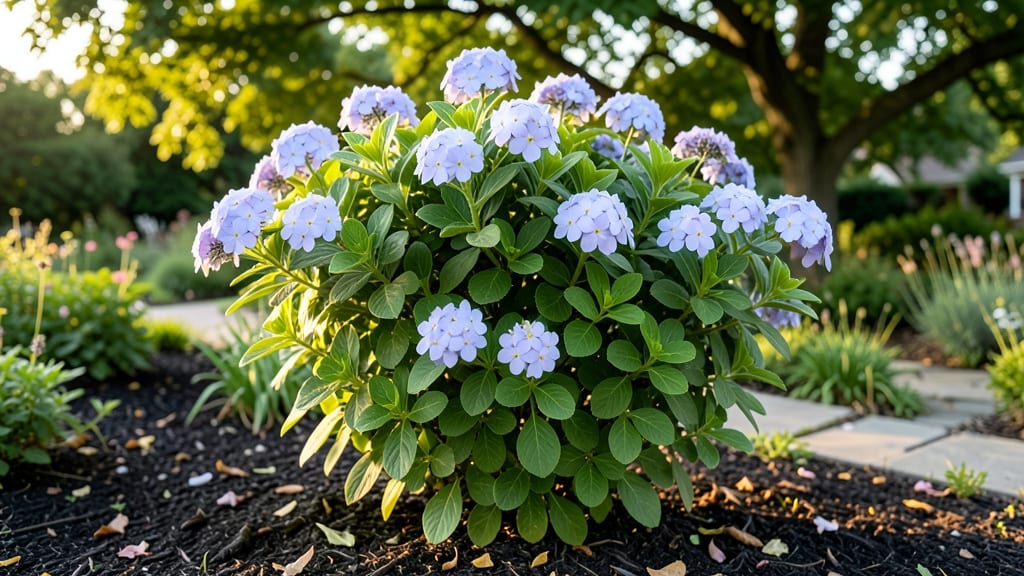
Zone 4's harsh winters don't have to mean a garden without color. 🌿 I've planted and protected flowering bushes here for over a decade, and these resilient varieties prove that beauty thrives even when temperatures dip below zero.
The key is choosing plants that naturally tolerate cold snaps, combined with smart winter care techniques that keep roots protected and branches intact.
My top performers include lilacs with their fragrant purple spikes, hydrangeas that bloom in pink or blue clusters, and viburnums with their glossy leaves and spring flowers. These bushes handle Zone 4's -20°F temperatures when planted in well-draining soil and given proper winter mulch.
The secret isn't just the variety—it's matching each plant to the right exposure and soil conditions for maximum hardiness.
By late spring, you'll see these bushes bursting with blooms that last from May through July, with some varieties offering fall color too. The fragrance alone makes it worth the effort—especially when you're harvesting cut flowers for bouquets that last a week in vases.
Plus, they attract pollinators that make your whole garden more productive.
Whether you're working with a sunny border or a shady corner, these bushes adapt beautifully. The only real mistake is planting too late in the season—get them in the ground by early fall so roots establish before winter sets in. Let's get your Zone 4 garden blooming year after year!
📚 In This Guide
- What you need
- Instructions
- Tips and common mistakes
- Wrapping up and next steps
What you need
- ● Flowering bushes (Zone 4 hardy varieties): 3–5 mature plants (e.g., Weigela, Spirea, Butterfly Bush, or Hydrangea)
- ● 1–2 young nursery plants (for future growth)
- ● Soil amendments: 5–10 lbs compost (per bush)
- ● 2–3 lbs slow-release fertilizer (10-10-10 or organic option)
- ● Tools: 1 shovel or spade (for digging)
- ● 1 pruning shears (sterilized)
- ● 1 garden hose or watering can (with spray nozzle)
- ● 1 gloves (gardening or work gloves)
- ● Mulch (2–3 inches of pine straw or shredded bark to retain moisture)
- ● Plant supports (stakes or cages for tall varieties like Hydrangeas)
- ● Soil pH tester (to check acidity/alkalinity for Hydrangeas)
- ● Drip irrigation system (for automated watering)
How to select and plant hardy flowering bushes for Zone 4 climates
Here’s the straightforward approach I use to pick and plant cold-hardy bushes that bloom reliably year after year.
🌱 Step 1: Choose Bushes Rated for Zone 4 or Colder
Look for varieties labeled as Zone 4 hardy or lower, as these survive winter temperatures down to -30°F. My top picks include butterfly bush (Buddleia), dwarf lilac (Syringa), potentilla (Dasiphora), and smoke bush (Cotinus)—all of which handle Zone 4 winters without fuss. Avoid tender varieties like hibiscus or bougainvillea, which won’t survive our winters.
Check the USDA Plant Hardiness Zone Map for your specific microclimate—some areas in Zone 4 experience colder pockets. If your winters dip below -25°F, opt for potentilla or spirea, which are the toughest. I always verify a plant’s mature size too—3-6 feet tall is ideal for most gardens, leaving room for other plants.
🪴 Step 2: Plant in Late Summer or Early Fall for Strong Root Establishment
Plant 4-6 weeks before your first frost (usually late August to early September in Zone 4). This timing gives roots time to establish before winter, reducing transplant shock. Dig a hole twice as wide as the root ball but no deeper—planting too deep suffocates roots and invites rot.
Amend the native soil with 2-3 inches of compost mixed into the bottom of the hole. This improves drainage and fertility without overwhelming the plant. Place the bush in the hole, ensuring the top of the root ball sits level with the surrounding soil. Fill gently, tamping down lightly to remove air pockets, then water deeply to settle everything.
☀️ Step 3: Position for Sunlight and Wind Protection
Most flowering bushes thrive in full sun (6+ hours daily), but a few—like weigela—tolerate partial shade (4-6 hours). Avoid low-lying spots where cold air pools, as this can damage tender stems. I always plant mine against a south-facing wall or fence for extra winter protection.
Space bushes 3-6 feet apart, depending on mature size—crowding leads to poor airflow and fungal issues. Mulch heavily (3-4 inches) with wood chips or shredded bark to insulate roots in winter and retain moisture. Keep mulch 6 inches away from the stem to prevent rot.
⏰ Step 4: Water Deeply and Prune Strategically After Planting
Water once a week for the first month, then taper to every 2 weeks once established (unless drought strikes). Deep watering—1-2 inches per week—encourages strong root growth. You’ll know it’s enough when water drains through the soil and the top 2 inches feel moist but not soggy.
Prune in early spring (just as buds swell) to shape the bush and remove dead wood. Avoid heavy pruning in fall—it stimulates tender new growth that won’t survive winter. For butterfly bush, I cut back 1/3 of the oldest stems each year to keep it bushy and blooming. Always sterilize pruners with rubbing alcohol to prevent disease spread.
✂️ Step 5: Prepare for Winter with Mulch and Protection
Before the first hard freeze, top off mulch to 4-6 inches and wrap young bushes (under 3 years old) with burlap or frost cloth. This extra layer shields stems from splitting in freeze-thaw cycles. I also avoid fertilizing in fall—new growth is vulnerable to winter damage.
Watch for mouse damage—they chew bark on young stems. Wrap trunks with metal mesh or hardware cloth if rodents are a problem in your area. Come spring, remove winter wraps and prune any damaged branches. With this care, your bushes will reward you with years of vibrant blooms with minimal effort.
Tips & tricks for perfectly hardy flowering bushes in Zone 4
These are the hard-earned lessons that'll help your cold-resistant bushes thrive where others fail.
Selection Tip: When choosing between varieties, pay special attention to bloom time. Early bloomers like dwarf lilac (which flowers in late spring) give you color when many gardens are still waking up, while butterfly bush blooms later in summer, extending your season. I always plant at least one of each to ensure continuous interest. The key is matching bloom periods to your garden's natural timeline—this creates that "wow" factor when you walk outside in May and June.
Planting Wisdom: The 4-6 weeks before first frost window is non-negotiable for root establishment, but don't let that scare you off if you miss it. You can plant as late as 6 weeks before frost—just be prepared to protect young plants with extra mulch (up to 6 inches) and frost cloth if temperatures dip below 25°F. I've successfully planted in early October with these precautions, and the bushes caught up beautifully the following spring. The critical factor is giving roots time to harden off before winter.
Winter Protection Strategy: For those -30°F nights, I've found that wrapping young bushes with burlap isn't just about temperature—it's about preventing freeze-thaw cracking. The secret is leaving a small gap at the top of the wrap (about 2 inches) to allow some airflow. This prevents moisture buildup that can lead to fungal issues while still providing insulation. In my Zone 4 garden, this simple adjustment has saved multiple bushes from winter damage that would have been fatal otherwise.
Pruning Insight: That 1/3 reduction of oldest stems for butterfly bush might seem drastic, but it's actually a rejuvenation technique. The plant directs energy to newer growth, resulting in more abundant blooms the following year. I mark the stems I'll remove with colored plant ties in early spring before pruning—this helps me visualize the shape I'm creating. For other bushes, I use the same principle but adjust the ratio based on the plant's natural growth habit.
Pro Tips for Flowering Bushes Zone 4
- These are the hard-earned lessons that'll help your cold-resistant bushes thrive where others fail.
- Selection Tip: When choosing between varieties, pay special attention to bloom time.
- Planting Wisdom: The 4-6 weeks before first frost window is non-negotiable for root establishment, but don't let that scare you off if you miss it.
Frequently asked questions
Got questions about growing flowering bushes in Zone 4? You’re not alone! Here are some of the most common queries—and expert answers—to help you succeed in cold climates.
What are the most cold-hardy flowering bushes for Zone 4?
Top picks include Weigela, Butterfly Bush (Buddleia), Potentilla, Spiraea, and Dwarf Lilac. These varieties survive winters below 0°F and bloom reliably. For extra resilience, opt for cultivars labeled "Zone 3-4"—they’re bred to handle frost.
When is the best time to plant flowering bushes in Zone 4?
Plant in early spring (April–May) or early fall (September–October) for best results. Avoid late fall—young roots need time to establish before winter. If planting in spring, water deeply and mulch to protect roots from late frosts.
How do I protect flowering bushes from harsh Zone 4 winters?
Use 3–4 inches of mulch around the base (but not touching the stem) to insulate roots. For young or tender bushes, wrap stems with burlap or use frost cloth. Prune in late winter to remove dead wood, but avoid heavy pruning—it stresses plants before blooming season.
Why aren’t my flowering bushes blooming in Zone 4?
Common culprits:
- Pruning at the wrong time—cut back after flowering (or in late winter for spring bloomers).
- Poor soil or drainage—amend with compost and ensure well-draining soil.
- Lack of sunlight—most flowering bushes need 6+ hours of sun daily.
- Winter dieback—some varieties (like Hydrangeas) need winter protection.
Can I grow flowering bushes in containers in Zone 4?
Yes! Choose compact varieties like Dwarf Lilac or Miniature Rose bushes. Use large containers (15+ gallons) with drainage holes, and overwinter by moving pots to a sheltered, unheated garage or wrapping them in bubble wrap. Water sparingly in winter to prevent root rot.
Wrapping up and next steps
Choosing the right flowering bushes for Zone 4 doesn’t have to be a challenge—with the perfect hardy varieties, you can enjoy vibrant blooms even in cold winters! 🌸 From the Rhododendron to the Weigela, these resilient plants bring beauty and color year after year.
Whether you’re a seasoned gardener or just starting, these cold-climate champions make gardening in Zone 4 both rewarding and stunning.
Ready to transform your garden? Start by selecting 2-3 bushes that match your space and style, then plan your planting for early spring or fall. Happy gardening—your future blooms will thank you! 🌿✨