
Pruning
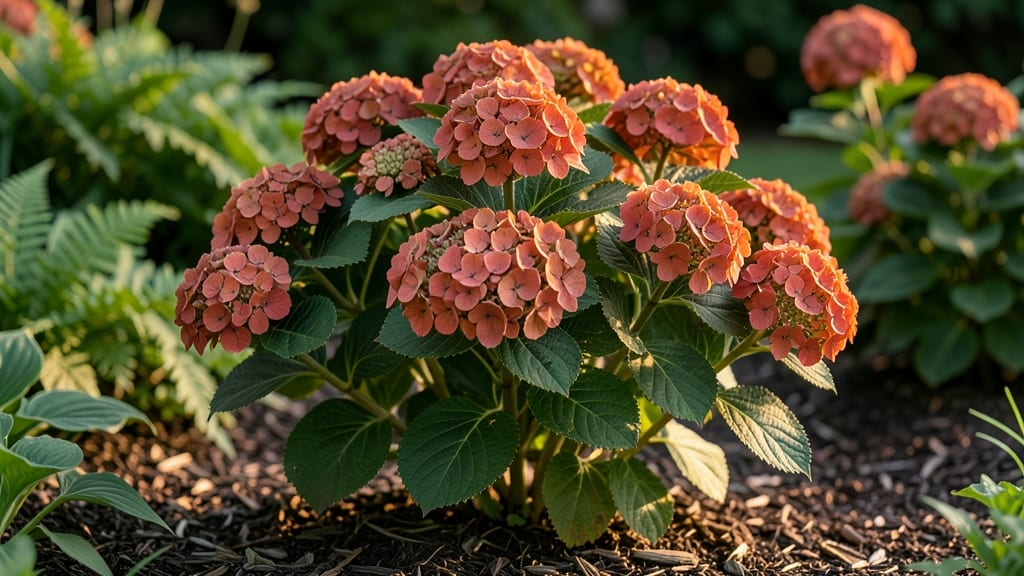
Fire hydrangea bushes transform your yard into a seasonal showstopper—especially when you prune them right. 🌿 I learned the hard way that cutting too late (or too early) can rob you of next year's blooms, but mastering the timing gives you vibrant green foliage and cone-shaped flowers that last from summer through frost.
The secret isn't complicated: these plants thrive in full sun to partial shade, tolerate most soils, and need consistent moisture—but the real magic happens in late winter or early spring.
That's when you prune back one-third of the previous year's growth, opening space for fresh, lush growth that blooms on new wood. No fancy tools needed, just sharp shears and a little patience.
By summer, your hydrangea will reward you with 3-foot-tall flower clusters that shift from lime to deep pink as they age. The foliage stays sturdy and glossy even in heat waves, and the structure holds up through winter—though a light mulch layer protects tender roots in freezing zones.
It’s the kind of plant that makes neighbors ask, "What’s your secret?"
Works in foundation plantings, mixed borders, or even large containers. The key is timing: prune too late, and you lose next year’s blooms. Get it right, and you’ll have year-round interest—from spring’s fresh foliage to winter’s skeletal beauty. Let’s get growing!
📚 In This Guide
- What you need
- Instructions
- Tips and common mistakes
- Wrapping up and next steps
What you need
- ● Pruning shears: Bypass shears (sharp, clean, and sterilized with rubbing alcohol). Quantity: 1 pair (or 2 if working with large bushes).
- ● Hand pruners: For smaller branches (ergonomic grip recommended). Quantity: 1 pair.
- ● Loppers: For thicker stems (16–20 inches long). Quantity: 1 pair.
- ● Garden gloves: Heavy-duty, cut-resistant (to protect from thorns and sap). Quantity: 1 pair.
- ● Disposable pruning bags: For collecting debris (5–10 gallon capacity). Quantity: 1–2 bags.
- ● Hose or bucket: For rinsing tools and cleaning cuts.
- ○ Pruning sealant (optional but helpful): To prevent disease on large cuts (e.g., Tanglefoot Pruning Seal).
- ● Extension pole saw: For high branches (10–12 feet).
- ● Ladder: Sturdy, 6–8 feet tall (if bush is over your head!).
- ● Rubbing alcohol (70%+) or bleach solution: For sterilizing tools between cuts (1 part bleach to 9 parts water).
- ● Marking twine or flags: To tag stems for removal (if deadheading or reshaping).
- ● Mulch: Shredded bark or compost (to protect roots post-pruning).
- ● Know your hydrangea type: Fire hydrangeas (Hydrangea paniculata) thrive with late-winter/early-spring pruning (or right after flowering for summer blooms).
- ● Check the weather: Prune on a dry, overcast day to avoid stressing the plant.
- ● Gather inspiration: Sketch or note your bush’s current shape to guide cuts!
Step-by-Step instructions for mastering Fire hydrangea pruning
Here's the science-backed method I use to keep my Fire hydrangeas blooming boldly year after year.
🌱 Step 1: Identify Your Hydrangea's Growth Habits
Fire hydrangeas (Hydrangea paniculata) are late-season bloomers, meaning their flower buds form on new wood that grows in spring. This changes everything about pruning timing. Examine your bush now: look for last year's flower stems (they'll be brown and woody) and this year's green growth (the new stems with leaves).
I always prune right after the first flush of new growth appears—usually in late winter to early spring—because old wood flowers are already gone by then. If you prune too early, you risk cutting off next year's blooms before they form. If you wait too long, you'll be hacking off this year's flowers.
✂️ Step 2: Remove Dead and Weak Wood First
Start by cutting out any dead, diseased, or crossing branches at the base. Use clean, sharp pruners to make 45-degree cuts just above a leaf node or outward-facing bud. I look for branches that are brown inside when I scratch them or have mushroom-like growths at the base—those are gone immediately.
Don't worry about the size of these cuts. Fire hydrangeas are highly forgiving and will send out new growth from the base. The key is removing anything that's clearly not contributing to the plant's health. You'll know you're doing it right when you see green pith inside healthy stems.
☀️ Step 3: Shape the Bush for Airflow and Light
Step back and visualize your bush as a rounded dome shape. Start pruning the remaining branches to create this form, cutting back to just above a leaf node or bud. For each branch, I remove about 1/3 of the total growth—never more than that in one season. Fire hydrangeas bloom on current season's growth, so aggressive pruning won't hurt their flowering.
Focus on opening up the center of the bush. You want sunlight to penetrate to the innermost branches—this prevents fungal issues and encourages stronger growth. Watch for branches growing inward; these compete with each other and should be removed entirely. The goal is to create a balanced, open structure that lets air circulate freely.
🌿 Step 4: Time Your Summer Pruning for Extended Blooms
Here's where the magic happens: after your Fire hydrangea finishes blooming in late summer (August-September), give it a light trim. Cut back the old flower stems by half—this stimulates new growth that will produce next year's flowers. The new stems will have buds forming at their tips by fall, ready to bloom in summer.
Real talk: this second pruning is often skipped, but it's what gives Fire hydrangeas their prolonged bloom season. I always prune after a hard frost when the plant is dormant but before new growth starts. The green buds you see in late summer are your signal to prune—these will become next year's flowers.
⏰ Step 5: Winter Protection for Young Bushes
Mature Fire hydrangeas handle winter well, but young plants (under 3 years old) need extra care. After your final pruning in fall, wrap the base of the bush with 4-6 inches of mulch (like shredded bark or straw). This protects the roots from freezing and thawing cycles that can damage them.
I also tie the largest canes together loosely with twine to prevent them from whipping in winter winds. For extra insurance in Zone 5 or colder, mound 6-12 inches of soil or mulch around the base after the ground freezes. Remove this in early spring once new growth appears—usually by late April or early May.
Tips & tricks for perfect Fire hydrangea pruning
These science-backed insights will help you avoid common mistakes and keep your Fire hydrangea thriving for years to come.
Timing is Everything: The late winter to early spring timing in Step 1 is non-negotiable for Fire hydrangeas. Look for the first flush of green growth—this signals that old wood flowers are already gone and new buds are forming. I've learned this the hard way: pruning too early can remove next year's blooms before they form, while waiting too long risks cutting off current season's flowers. Pro tip: Set a calendar reminder for late February to early March in your region to catch this critical window.
Tool Precision Matters: In Step 2, using clean, sharp pruners is absolutely essential. Dull blades crush stems instead of making clean cuts, which can damage the plant and invite disease. I always disinfect my pruners with rubbing alcohol between cuts on different bushes. For the 45-degree cuts mentioned, visualize slicing just above a leaf node—this encourages new growth in the right direction. A small mirror on a stick helps me see what I'm cutting when working at ground level.
Visualize the Final Shape: When shaping your bush in Step 3, step back frequently to visualize the rounded dome. I find it helpful to sketch a rough outline on paper first—this prevents over-pruning. Remember, you're removing about one-third of the total growth, so be patient. The goal is sunlight penetration to the center, so don't be afraid to remove inward-growing branches completely. This open structure is what prevents fungal issues and encourages those vibrant blooms.
Fall Pruning Secret: The summer pruning in Step 4 is where most people miss out on extended blooms. After your Fire hydrangea finishes blooming in late summer, look for those green buds forming at stem tips—these are your signal to prune. Cutting back old flower stems by half stimulates new growth that will produce next year's flowers. I mark these stems with colored tape in early summer so I don't accidentally remove them when they're still blooming. This second pruning is what gives Fire hydrangeas their legendary prolonged bloom season.
Pro Tips for Fire Hydrangea Bush
- These science-backed insights will help you avoid common mistakes and keep your Fire hydrangea thriving for years to ...
- Timing is Everything: The late winter to early spring timing in Step 1 is non-negotiable for Fire hydrangeas. Look fo...
- Tool Precision Matters: In Step 2, using clean, sharp pruners is absolutely essential. Dull blades crush stems instea...
Frequently asked questions
When is the best time to prune my fire hydrangea?
The ideal time to prune Hydrangea paniculata (fire hydrangea) is late winter or early spring, just before new growth begins. This timing ensures you remove dead wood while leaving healthy buds intact. Avoid pruning in fall—it can stimulate tender new growth that may not survive winter’s chill. Pro tip: If you missed the window, prune in early summer, but avoid heavy cuts that could reduce next year’s blooms.
Why aren’t my fire hydrangea blooms as vibrant as last year?
Duller blooms often signal over-pruning, poor soil, or insufficient sunlight. Fire hydrangeas thrive in full sun to partial shade and well-draining soil rich in organic matter. If blooms are sparse, check your pruning technique—never cut back more than 1/3 of the plant, and always prune just above a bud or node. Yellowing leaves? Test your soil pH (they prefer slightly acidic to neutral) and fertilize with a balanced, slow-release formula in early spring.
How long does it take for a fire hydrangea to recover after pruning?
With proper pruning, your fire hydrangea should rebound quickly—typically within 4–6 weeks of new growth. You’ll notice fresh leaves and buds emerging from the pruned stems. For a head start, apply a layer of mulch around the base to retain moisture and protect roots. Water deeply after pruning to reduce stress, especially if your region is dry.
Can I grow fire hydrangeas in containers? Yes—but what’s the catch?
Fire hydrangeas adapt well to containers, making them perfect for patios or small gardens. Choose a large pot (at least 15–20 gallons) with drainage holes and use a high-quality potting mix. Move containers to bright, indirect light in winter to prevent leaf drop. Pro tip: Prune container-grown hydrangeas annually to control size—root-bound plants bloom less vigorously.
What pests or diseases should I watch for in fire hydrangeas?
Fire hydrangeas are relatively tough, but keep an eye out for aphids, spider mites, and powdery mildew. Aphids (tiny green/black bugs) cluster on new growth—blast them off with water or use insecticidal soap. Powdery mildew (white fuzzy spots) thrives in humid conditions; improve airflow and apply neem oil preventatively. Brown, crispy leaves? It could be hydrangea scale—scrub infested areas with rubbing alcohol on a cotton swab.
| Quick Fix | When to Use |
|---|---|
| Prune in late winter | Promotes robust spring growth |
| Mulch heavily | Retains moisture, protects roots in heat/cold |
| Fertilize in early spring | Boosts bloom size and color intensity |
| Repot every 2–3 years | Prevents root-bound stress in containers |
Wrapping up and next steps
Transforming your fire hydrangea bush into a year-round showstopper is totally within reach—thanks to smart pruning and a little seasonal TLC! 🌸 By mastering the when, how, and why behind each cut, you’ll unlock vibrant blooms, healthier growth, and that coveted fire-red magic.
Whether you’re trimming for shape, size, or seasonal renewal, remember: patience and precision pay off in stunning results.
Ready to put your new skills to work? Grab those shears and start pruning! For extra confidence, bookmark this guide or snap a photo of your bush before/after for a satisfying progress tracker. Happy gardening—your hydrangea’s fireworks await! 🔥