
Size
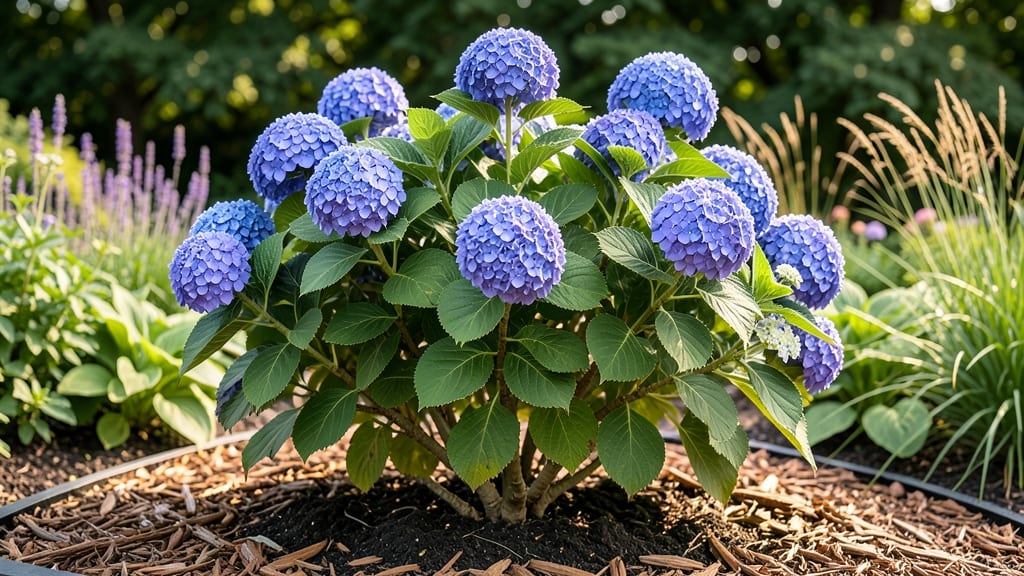
How fast do hydrangea bushes grow? They can reach 3-5 feet per year—but that speed depends entirely on the variety and your growing conditions. 🌿 I’ve watched my bigleaf hydrangeas shoot up 12-18 inches in a single season, while panicle types grow even faster, sometimes reaching 6 feet in just three years. The key isn’t just time, though—it’s sunlight, soil, and water working together to unlock that growth.
Bigleaf hydrangeas (like 'Endless Summer') typically grow 12-18 inches annually, while panicle types (such as 'Limelight') can add 2-3 feet per year under ideal conditions. Oakleaf hydrangeas are slower, growing 6-12 inches yearly, but their fall foliage makes up for it.
The fastest growth happens when you give them morning sun and afternoon shade, well-draining soil, and consistent moisture—never soggy roots.
You’ll see the most dramatic growth in early summer, when new stems harden and leaves fill in. Prune in late winter to encourage fresh, vigorous shoots, and fertilize lightly in spring with balanced 10-10-10 to fuel that expansion.
Within a few seasons, you’ll have a lush, blooming bush that’s the envy of the neighborhood.
For slower growth, don’t over-fertilize—hydrangeas grow best when happy, not forced. And if your soil is heavy clay, amend it with compost to keep roots healthy. With the right care, even the slowest varieties will fill out beautifully in 3-5 years, giving you those showstopping blooms you love.
📚 In This Guide
- What you need
- Instructions
- Tips and common mistakes
- Wrapping up and next steps
What you need
- ● Hydrangea plants: Choose from bare-root (dormant season) or container-grown varieties (spring/summer). Quantity depends on spacing needs (see below).
- ● Well-draining soil: Required: Peat moss, compost, or aged manure (2–3 gallons per plant).
- ○ Optional: Perlite or sand (1 part) to improve aeration in clay-heavy soils.
- ● Fertilizer: Balanced (10-10-10) or acidic (e.g., 8-3-9) fertilizer: 1–2 tablespoons per plant at planting time.
- ● Slow-release granules: 1 cup per plant (spring/fall).
- ● Mulch: 2–3 inches of organic mulch (e.g., pine bark or shredded leaves) to retain moisture.
- ● Watering supplies: Garden hose with adjustable nozzle or watering can (5+ gallons).
- ○ Drip irrigation kit (optional for large plantings).
- ● Pruning tools: Bypass pruners (for small stems).
- ● Loppers (for thicker branches).
- ● Sterilizing solution (rubbing alcohol or bleach).
- ● Sunlight: Confirm your location gets partial shade (4–6 hours of morning sun) or full sun (6+ hours for heat-tolerant varieties like 'Limelight').
- ● Spacing: Mophead/Bigleaf: 3–5 feet apart.
- ● Panicle/Smooth: 4–6 feet apart.
- ● Oakleaf: 5–8 feet apart.
- ● pH Test Kit: Hydrangeas prefer acidic soil (pH 5.2–6.0) for vibrant blooms. Adjust with sulfur or peat moss if needed.
- ● Weather Check: Plant in spring (after last frost) or early fall for optimal root establishment.
Understanding hydrangea growth rates by season
Hydrangeas don’t grow at a steady pace—their speed depends on variety, climate, and care. Here’s how to track their seasonal progress like a pro.
🌱 Step 1: Spring Growth Spurt (First 8-12 Weeks)
Once temperatures rise above 50°F, hydrangeas burst into action. New growth emerges from buds along last year’s stems (for non-rebloomers like Bigleaf varieties) or from the base (for rebloomers like PeeGee or Limelight). You’ll notice 2-4 inches of growth per week during peak spring conditions, with leaves unfurling rapidly in bright, indirect light.
This is the most critical growth window—water deeply once a week (soil should be 2-3 inches moist) to prevent bud blast (a fungal issue that kills flowers). Mulch with 2-3 inches of shredded bark to retain moisture and regulate soil temperature. If growth stalls after 4-6 weeks, check for aphids (tiny green clusters on stems) or powdery mildew (white fuzzy patches on leaves).
☀️ Step 2: Summer Maturation (Weeks 12-20)
Growth slows in summer as hydrangeas focus on flower development rather than stem elongation. Expect 1-2 inches of growth per week during this phase, with Bigleaf varieties putting energy into blooms rather than height. Reblooming types like Panicle hydrangeas may add 6-12 inches total by late summer, while Oakleaf varieties grow more slowly but develop stunning fall foliage.
Prune spent blooms (deadheading) in summer to encourage new flowers, but avoid heavy pruning—this removes next year’s buds on non-rebloomers. Monitor soil moisture closely; hydrangeas wilt quickly in 90°F+ heat. If leaves curl or edges brown, increase watering to 2-3 times per week (check top 3 inches of soil for dryness).
⏰ Step 3: Fall Slowdown (Weeks 20-32)
Growth nearly halts in fall as cooler temps (below 60°F) signal dormancy. You’ll see minimal new growth (if any) after mid-September, but stems continue thickening as they prepare for winter. Bigleaf hydrangeas develop their signature blue or pink blooms based on soil pH (add aluminum sulfate for blue, lime for pink if needed). Oakleaf varieties turn crimson or burgundy, while Panicle types develop papery seed heads that persist into winter.
Stop fertilizing after mid-August—new growth won’t harden off in time for frost. Apply a 3-inch layer of mulch to protect roots from freeze-thaw cycles. If your region gets below 0°F, wrap young bushes in burlap or use frost blankets to prevent winter dieback. Growth resumes only after consistent 50°F+ temps in spring.
❄️ Step 4: Winter Dormancy (Weeks 32-52)
Hydrangeas enter dormancy in winter, with no visible growth. However, root systems remain active in mild climates (above 20°F), slowly absorbing moisture. Panicle hydrangeas (like Little Lime) are the hardiest, surviving down to -20°F, while Bigleaf varieties need protection in Zone 6 or colder. You’ll know they’re dormant when stems appear woody and bare, with only bud scales visible.
This is the time to plan next year’s pruning. For non-rebloomers, prune just after dormancy (late winter) to remove dead wood. For rebloomers, wait until late winter/early spring (when buds swell but before leaves emerge). Avoid pruning in fall—it stimulates tender new growth that won’t survive frost.
Tips & tricks for tracking hydrangea growth rates
Real talk: Understanding seasonal growth patterns is the secret to keeping your hydrangeas thriving. Here's what nobody tells you about optimizing their development.
Variety-Specific Growth Expectations: Bigleaf hydrangeas typically grow 2-4 inches per week in spring but focus on flower production in summer, adding only 1-2 inches weekly. Rebloomers like PeeGee can surge to 6-12 inches total by late summer—this is their natural growth rhythm, not a sign of neglect. Oakleaf varieties grow more conservatively but reward you with spectacular fall foliage. Track these seasonal shifts to avoid over-pruning or under-watering during different phases.
Temperature-Dependent Growth: The 50°F threshold is critical—below this, growth stalls completely. In hotter summers (90°F+), hydrangeas prioritize survival over expansion, which is why you might see slower growth. Use a soil thermometer to monitor root zone temperatures—ideal range is 60-75°F for optimal growth. If your area gets below 0°F, protect young plants with burlap wraps to prevent winter dieback.
Seasonal Care Adjustments: The 4-6 week mark in spring is when you should first check for pests—aphids and powdery mildew love new growth. In summer, increase watering to 2-3 times per week when soil surface dries out, but never let water pool at the base. Fall is about preparation: stop fertilizing after mid-August to harden off new growth before frost. These seasonal tweaks make all the difference in long-term health.
Visual Growth Tracking: Measure stems at the same time each week using a flexible tape measure. Look for leaf color changes—healthy new growth should be vibrant green, while stressed leaves turn yellow or develop brown edges. For Bigleaf varieties, observe bud development: blue/pink buds forming by late summer indicate successful flower production. This visual tracking helps you adjust care before problems appear.
Pro Tips for How Fast Do Hydrangea Bushes Grow
- Real talk: Understanding seasonal growth patterns is the secret to keeping your hydrangeas thriving. Here's what nobo...
- Variety-Specific Growth Expectations: Bigleaf hydrangeas typically grow 2-4 inches per week in spring but focus on fl...
- Temperature-Dependent Growth: The 50°F threshold is critical—below this, growth stalls completely. In hotter summers ...
Frequently asked questions
Got questions about hydrangea growth? You’re not alone! Here are some of the most common queries—plus quick answers to help you plan your garden like a pro.
How long does it take for hydrangeas to reach full size?
Most hydrangea varieties reach mature size (their listed height/width) in 3–5 years with proper care. Fast growers like Panicle Hydrangeas (e.g., ‘Limelight’) may hit full size in 2–3 years, while Bigleaf Hydrangeas (e.g., ‘Endless Summer’) take closer to 4–5 years. Patience pays off—pruning young bushes encourages bushier growth!
Can I speed up hydrangea growth?
Boost growth with these tricks:
- Feed them: Use a balanced fertilizer (10-10-10) in early spring and mid-summer.
- Water deeply: Aim for 1–1.5 inches per week, especially during blooming season.
- Avoid over-pruning: Cut back only dead or overcrowded stems—never more than ⅓ of the bush.
- Mulch: Add 2–3 inches of mulch to retain moisture and regulate soil temp.
Do hydrangeas grow faster in summer or spring?
Summer is their growth powerhouse! While hydrangeas break dormancy in spring, they bulk up most between June and August. Expect 6–12 inches of new growth per season for healthy bushes. Warning: Overwatering in summer can stunt growth—ensure good drainage!
What if my hydrangea isn’t growing? Troubleshooting tips.
Slow or stalled growth? Check these fixes:
Issue
Solution
Yellow leaves
Overwatering or poor drainage. Amend soil with compost and water only when top 1–2 inches are dry.
No new stems
Lack of nutrients. Fertilize in spring with acid-loving plant food (for Bigleaf varieties).
Leggy, sparse growth
Too much sun. Move to partial shade or add afternoon shade cloth.
Pests (aphids, spider mites)
Spray with neem oil or introduce ladybugs. Keep bushes healthy to deter pests.
Are there fast-growing hydrangea alternatives?
If you want quick color without the wait, try these speedy bloomers:
- Panicle Hydrangeas (e.g., ‘Little Lime’): Grows 2–3 feet per year; thrives in sun.
- Smooth Hydrangea (e.g., ‘Annabelle’): 3–4 feet tall in 2 years; drought-tolerant.
- Oakleaf Hydrangea: Slower (1–2 feet/year) but stunning fall foliage.
Wrapping up and next steps
Hydrangeas are a rewarding addition to any garden, and while their growth pace varies by variety, most deliver stunning blooms within a few seasons with the right care.
Whether you’re growing a speedy PeeGee or a slower Oakleaf, patience and proper maintenance—like pruning, watering, and soil prep—will set you up for success. Now that you know what to expect, why not plant one today?
Grab your gardening gloves, pick your favorite variety, and watch your yard transform into a vibrant, floral paradise! 🌸