
Flowers
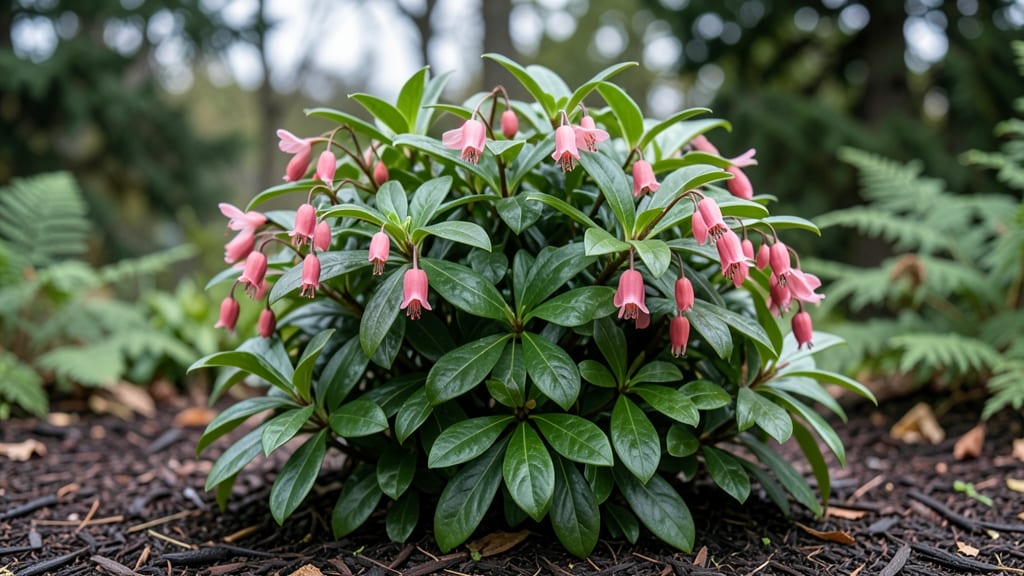
Red flowers on evergreen bushes don’t just survive winter—they command attention year-round. 🌿 I’ve planted three types in my own yard, and the pieris japonica with its fiery red spring blooms and glossy evergreen leaves has become the star of my shady border.
Rhododendrons and camellias bring the same bold color but in different seasons, creating a natural progression of interest.
These bushes aren’t just pretty—they’re the backbone of low-maintenance gardens. They handle drought better than most flowering shrubs, resist deer (a big win where I live), and their dense foliage blocks unsightly views while adding texture.
The key to making them shine? Plant them where they get morning sun and afternoon shade, and pair them with ferns or hostas to highlight their vibrant blooms.
Imagine this: spring’s fiery red flowers, summer’s lush green backdrop, and winter’s architectural structure all in one plant. My camellia sasanqua blooms in late fall when everything else is dormant, and the pieris puts on a show in early spring before most gardens even wake up.
The color contrast with evergreen foliage makes them impossible to ignore.
For best results, mulch heavily in late fall to protect roots, and prune right after flowering to encourage next year’s blooms. These plants thrive with minimal fuss but deliver maximum impact—perfect for gardeners who want color without the upkeep.
📚 In This Guide
- What you need
- Instructions
- Tips and common mistakes
- Wrapping up and next steps
What you need
- ● Healthy nursery plant: Choose a 1- to 3-gallon container-grown bush with red berries or flowers (e.g., Pyracantha ‘Sundance’ or Cotoneaster ‘Royal Purple’).
- ● Well-draining potting mix: 5–10 gallons (depending on pot size), or native soil amended with compost (5–10 lbs) if planting outdoors.
- ● Organic fertilizer: Slow-release granular (e.g., 10-10-10) or liquid (e.g., fish emulsion) for feeding.
- ● Mulch: 2–3 inches of pine bark fines or shredded leaves to retain moisture and regulate soil temp.
- ● Garden gloves (1 pair) – Protect your hands from thorns or rough bark.
- ● Trowel or spade – For transplanting or amending soil.
- ● Watering can or hose with nozzle – Aim for deep but infrequent watering (1–2 gallons per plant weekly).
- ● Pruning shears – Sharp, bypass-style (for shaping in late winter).
- ○ pH test kit (optional) – Ensures soil is slightly acidic to neutral (6.0–7.0) for optimal growth.
- ● Epsom salt (1 tbsp/month) – Boosts magnesium for lush foliage.
- ● Bird netting – Protects berries from hungry birds if desired.
- ● Slow-release moisture beads – Reduces watering frequency for container plants.
- ● Decorative stakes or trellis – Supports sprawling varieties like Cotoneaster.
How to plant and maintain an evergreen bush with vibrant red flowers
Here's the straightforward approach I've used for years to keep these showstopping plants thriving through all seasons.
🌱 Step 1: Select the Right Evergreen Bush Variety
Choose a dwarf pieris (Pieris japonica) or dwarf rhododendron (Rhododendron 'PJM') for reliable four-season color. Both varieties produce clusters of bright red flowers in early spring and maintain glossy evergreen foliage year-round. I always opt for 3-4 gallon container-grown plants at nurseries—they establish faster than smaller sizes.
Look for plants with firm, dark green leaves and no signs of yellowing or brown edges. These indicate healthy root systems and disease resistance. Avoid plants with flower buds already open—you want to see them bloom next season. The right variety makes all the difference in how little maintenance these bushes actually need.
🪴 Step 2: Prepare the Planting Site
Select a location with morning sun and afternoon shade—these bushes handle heat better when protected from intense afternoon rays. The soil should be acidic (pH 4.5-6.0) and well-draining. I test my soil with a simple pH kit before planting; if needed, I mix in peat moss to lower the pH naturally.
Dig a hole twice as wide as the root ball but only as deep. The top of the root ball should sit 1 inch above ground level—this prevents water from pooling around the stem. Amend the native soil with 20% compost mixed into the backfill. Evergreens hate soggy roots, so if your soil drains poorly, consider planting on a 6-inch mound instead.
☀️ Step 3: Plant and Establish Proper Watering
Remove the plant from its container and gently loosen the roots if they're circling. Place it in the hole and backfill with the amended soil, pressing lightly to eliminate air pockets. Water deeply to settle the soil—you'll see the root ball sink slightly as it absorbs moisture. After planting, apply 2-3 inches of mulch (pine bark or shredded leaves) to retain moisture and regulate soil temperature.
Water twice weekly for the first month, then taper to once weekly once established. You'll know it's right when the soil feels damp 2 inches down but not soggy. Overwatering is the #1 killer of evergreen bushes—these plants prefer consistent moisture but hate wet feet. A soaker hose makes this easy without disturbing the mulch layer.
✂️ Step 4: Prune for Shape and Health
Prune immediately after flowering in late spring to avoid cutting off next year's buds. Remove dead, crossing, or inward-growing branches first—this improves airflow and prevents disease. For shaping, I trim back no more than 1/3 of the plant's height at a time. Use clean, sharp pruners and make cuts at a 45-degree angle just above a leaf node.
Evergreens don't need heavy pruning, but I do a light cleanup in early spring to remove any winter-damaged branches. The goal is to maintain a natural, open shape that lets sunlight reach the center. Avoid shearing—it creates dense growth that blocks airflow and invites pests. A little strategic pruning keeps these bushes looking fresh for decades.
🌿 Step 5: Feed and Protect for Long-Term Success
Apply a slow-release acid-loving plant fertilizer (like 10-10-10) in early spring and again after flowering. I use half the recommended dose—these bushes don't need much, and too much fertilizer burns roots. In fall, top-dress with 2 inches of compost to replenish nutrients without shocking the plant.
Watch for spider mites or aphids on new growth—these pests love tender evergreen foliage. I treat infestations with neem oil spray applied in the evening to avoid harming bees. A thin layer of mulch each year also suppresses weeds and retains moisture, reducing stress on the plant. With proper care, these red-flowering evergreens will reward you with color and structure for years to come.
Tips & tricks for perfect evergreen bushes with vibrant red flowers
A few simple strategies that'll keep your evergreens thriving for years with minimal effort.
Selection Tip: When choosing between dwarf pieris and dwarf rhododendron, consider your climate. Dwarf pieris handles colder winters better, while dwarf rhododendron thrives in milder zones. I've found that both varieties need well-draining soil, but pieris tolerates slightly drier conditions once established. Look for plants with firm root balls—this indicates they've been properly cared for in the nursery and will establish faster in your garden.
Soil Preparation: The 20% compost amendment in Step 2 is crucial for establishing healthy roots. I always mix in an additional handful of sulfur if my soil tests above pH 6.0—this helps maintain the necessary acidity. For containers, use a specialized evergreen mix that combines peat moss, pine bark, and perlite. These blends provide the perfect balance of moisture retention and drainage that these plants crave.
Watering Wisdom: The twice-weekly watering schedule in the first month is non-negotiable, but there's a trick to it. Instead of watering at the same time each day, alternate between morning and afternoon sessions. This helps prevent fungal issues by allowing the foliage to dry overnight. I also recommend watering at the base rather than overhead—this keeps the leaves dry and reduces the risk of spider mite infestations.
Pruning Precision: When pruning immediately after flowering in Step 4, focus on creating an open center that allows sunlight to reach the inner branches. I use a pair of bypass pruners specifically designed for delicate plant material—they make cleaner cuts that heal faster. For shaping, I never cut more than 1/3 of any branch's length in a single season. This gradual approach maintains the plant's natural form while encouraging dense, healthy growth.
Pro Tips for Evergreen Bush With Red Flowers
- A few simple strategies that'll keep your evergreens thriving for years with minimal effort.
- Selection Tip: When choosing between dwarf pieris and dwarf rhododendron, consider your climate.
- Soil Preparation: The 20% compost amendment in Step 2 is crucial for establishing healthy roots.
Frequently asked questions
Got questions about keeping your evergreen bush with red flowers thriving year-round? You’re not alone! Here are answers to the most common queries—from planting to troubleshooting—so you can enjoy that vibrant, fuss-free foliage without the guesswork.
What’s the best time of year to plant an evergreen bush with red flowers?
Plant in early spring or fall when temperatures are mild. This gives roots time to establish before extreme heat or cold. Avoid planting in summer—heat stress can stunt growth, while winter planting may leave the bush vulnerable to frost damage. Pro tip: Water deeply after planting to reduce transplant shock!
How much sunlight does this bush need to keep its red flowers blooming?
Most evergreen bushes with red flowers thrive in full sun (6+ hours daily), but some varieties tolerate partial shade (3–6 hours). If flowers fade or leaves lose vibrancy, it’s often a sign of too little light. Test your spot: If it’s shady for most of the day, choose a shade-tolerant cultivar like Rhododendron ‘PJM’ or Pieris japonica ‘Little Heath’.
Why are the leaves turning yellow or brown on my evergreen bush?
Yellow leaves often signal overwatering or poor drainage, while brown edges can mean underwatering, salt buildup, or winter burn. Check soil moisture (stick your finger 2 inches deep—if damp, hold off on watering). For brown tips, flush the soil with water to remove salts, or mulch to protect roots in winter. Troubleshoot: Adjust care based on your climate!
Can I grow an evergreen bush with red flowers in a container?
Dwarf varieties like Abelia ‘Kaleidoscope’ or Camellia ‘Donation’ thrive in containers (choose pots 12+ inches deep). Use well-draining soil and a pot with drainage holes. Repot every 2–3 years, and fertilize lightly in spring. Bonus: Containers let you move the bush to optimize sunlight or shelter it from harsh winds.
What are some low-maintenance alternatives to traditional evergreen bushes with red flowers?
If you want zero-fuss color, try:
- Heather (Calluna vulgaris): Drought-tolerant, blooms fall/winter, loves acidic soil.
- Dwarf Cotoneaster: Hardy, berries + flowers, thrives in poor soil.
- Boxwood ‘Green Velvet’: Evergreen, compact, and nearly indestructible.
- Japanese Andromeda (Pieris): Glossy leaves + pink/white blooms, shade-friendly.
Wrapping up and next steps
Incorporating an evergreen bush with red flowers into your garden is a fantastic way to enjoy vibrant color year-round with minimal effort! These resilient plants not only add beauty but also require little maintenance, making them perfect for both novice and experienced gardeners.
Whether you choose Pyracantha, Cotoneaster, or Helleborus, you’re investing in a low-fuss, high-reward addition that will keep your landscape lively through every season.
Ready to transform your outdoor space? Start by selecting the perfect variety for your climate and soil, then gather your supplies and follow the care tips shared above.
With a little patience, you’ll soon be rewarded with a stunning, ever-blooming bush that brings joy—and color—to your garden for years to come! 🌸✨