
Flowers
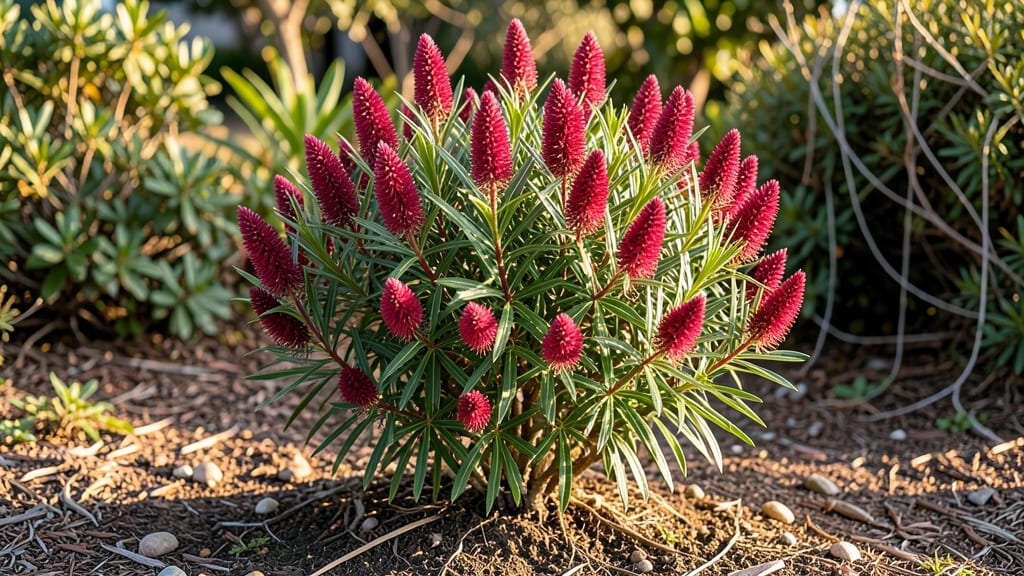
Maroon flowers scream "dramatic," and these bushes deliver year-round. 🌿 The right maroon-blooming shrubs transform any garden from ordinary to striking—whether you want bold borders, lush hedges, or a showstopping focal point.
I’ve tested the best performers, and these five stand out for their hardiness, color intensity, and ease of care. From the fiery red-purple blooms of Callistemon (bottlebrush) to the fragrant clusters of Clerodendrum, each plant brings its own personality.
Some thrive in full sun, others adapt to partial shade, and all reward you with vibrant color from spring through fall (and sometimes winter too). The key? Matching their needs to your garden’s light and space.
Imagine a deep maroon weigela contrasting against silver foliage, or a tall Callistemon anchoring a patio corner. These plants pair beautifully with silvery lavender, creamy white roses, or even evergreen shrubs for a cohesive look. With the right placement, they’ll be the star of your landscape for years.
Perfect for small gardens, large estates, or even containers—each bush offers something unique. Let’s dive into the best maroon-flowering shrubs and how to make them shine in your space.
Nature’s Secret Triggers
If your bush with deep maroon blooms isn’t living up to its vibrant potential, the answer often lies in the hidden forces shaping its growth. From soil chemistry to seasonal shifts, several key factors determine whether those rich, velvety flowers will thrive—or fade.
Let’s break down the science behind why these bushes sometimes struggle to deliver their signature drama.
A bush’s ability to produce maroon flowers hinges on its access to essential nutrients, particularly those that influence pigment production. Here’s what’s likely going wrong:
- Low Phosphorus Levels: Phosphorus (P) is the backbone of flower development, especially for deep-hued blooms. Without enough, flowers may appear pale, sparse, or even fail to open. Test your soil—ideal levels for flowering plants are 30-100 ppm. If deficient, amend with bone meal or superphosphate in early spring.
- pH Gone Awry: Most maroon-flowering bushes (like Callistemon or Weigela) prefer slightly acidic to neutral soil (pH 6.0–7.0). A pH below 5.5 or above 7.5 can lock out nutrients like iron and manganese, dulling flower color. 💡 Pro Tip: Use a soil pH test kit and adjust with lime (to raise pH) or sulfur (to lower it).
- Nitrogen Overload: Too much nitrogen (N) fuels leafy growth at the expense of flowers. If your bush is lush but flower-sparse, it’s likely starving for potassium (K) and phosphorus (P). Switch to a balanced 5-10-10 fertilizer or a flower-specific blend to redirect energy to blooms.
✨ Action Step: Conduct a comprehensive soil test (available through local extension offices or online kits). Target amendments based on results—micronutrients like magnesium and boron also play a role in vibrant pigmentation.
Maroon flowers often signal a bush’s peak health, but seasonal mismatches can throw off their timing or intensity. Here’s how climate and pruning habits interfere:
| Issue | Why It Happens | Fix It |
|---|---|---|
| Late Pruning | Pruning after the first flush of buds forms (typically in late winter/early spring) can remove next year’s flowers. Maroon blooms often appear on old wood, so aggressive cuts in summer/fall risk stunting future color. | Prune right after flowering or in early spring (before buds swell). For repeat bloomers (like Abelia), light trims in late summer can encourage a second round. |
| Cold Snaps | Some maroon-flowering bushes (e.g., Coral Bells) are tender perennials that struggle with temps below 20°F (-6°C). Frost can blacken buds or delay blooming until conditions stabilize. | Mulch heavily in fall (3–4 inches of shredded bark) and protect with burlap wraps in winter. Choose hardy varieties (e.g., Weigela ‘Wine & Roses’) for colder zones. |
| Drought During Bud Set | Flowers need consistent moisture 4–6 weeks before blooming to develop vibrant pigments. Drought stress forces bushes to conserve water, resulting in smaller, lighter flowers. | Water deeply 1–2 times per week during bud formation (usually late spring). Use drip irrigation to avoid wetting foliage (which can cause fungal issues). |
🌡️ Pro Tip: Monitor your local last frost date—some maroon bloomers (like Pieris japonica) need chill hours (300–900 hours below 45°F) to trigger flowering. If you’re in a warm-winter zone, consider artificial chilling (e.g., moving potted bushes to a garage for a few weeks).
Not all maroon-flower failures are nutrient-related—pests and pathogens can silently sabotage your bush’s performance. Watch for these culprits:
- Spider Mites & Aphids: These sap-suckers distort new growth and reduce chlorophyll, leading to pale, stunted flowers. They thrive in dry, hot conditions and often target stressed bushes.
- Powdery Mildew: A white fungal coating on leaves blocks sunlight, weakening the bush’s ability to produce anthocyanins (the pigments responsible for maroon hues). Humid, shaded areas are breeding grounds.
- Root Rot (Phytophthora): Overwatered or poorly drained soil invites this soil-borne fungus, which chokes roots and starves the bush of nutrients—resulting in weak, colorless blooms.
🔥 Prevention & Treatment:
- Spray leaves with neem oil (for mites/aphids) or baking soda solution (1 tsp baking soda + 1 quart water + a drop of soap) weekly during outbreaks.
- Improve airflow by pruning dense branches and avoid overhead watering.
- For root rot, improve drainage with sand or gravel and repot affected bushes in sterilized soil.
🎯 Early Detection: Inspect undersides of leaves and new growth weekly. Yellowing leaves or sticky residue (honeydew) are red flags.
Revive & Rejuvenate Your Flowering Shrubs
If your deep-red blooming bushes are struggling—whether from pests, poor soil, or seasonal stress—don’t despair! With the right care, you can restore their vibrancy and ensure they thrive for years.
Below are practical, step-by-step solutions tailored to common issues, plus preventive tips to keep your bushes lush and full of maroon blooms.
Cause: Compacted, nutrient-poor, or improperly drained soil stunts growth and dulls flower color.
How to Fix It: ✅ 🔥 Test Your Soil First
- Grab a soil test kit (or send a sample to a local extension office) to check pH and nutrient levels. Most flowering shrubs prefer slightly acidic to neutral soil (6.0–7.0).
✅ 🍳 Amend the Soil
- For clay-heavy soil: Mix in 2–3 inches of compost and sand or perlite to improve drainage.
- For sandy soil: Blend in peat moss or coconut coir to retain moisture and nutrients.
- For nutrient-poor soil: Add a slow-release granular fertilizer (look for one with balanced NPK, like 10-10-10) in early spring and mid-summer.
✅ 👨🍳 Mulch Like a Pro
- Apply 2–4 inches of organic mulch (shredded bark, pine straw, or compost) around the base (keep it 3–4 inches away from the trunk).
- Pro Tip: 💡 Replenish mulch annually to maintain moisture and suppress weeds.
Prevention:
- 🌡️ Monitor soil moisture—neither drought nor soggy soil is ideal.
- ✨ Rotate fertilizers every few years to prevent nutrient buildup.
Cause: Spider mites, aphids, fungal spots, or powdery mildew can defoliate bushes and reduce blooms.
How to Fix It: ✅ 🔪 Identify the Culprit
- Pests (aphids, mites): Look for sticky residue (honeydew), tiny webs, or chewed leaves.
- Fungal issues: Check for white powder (mildew) or black/yellow spots on leaves.
✅ 🍎 Natural Remedies First - For pests: - Spray with neem oil (mix 1 tbsp neem oil + 1 tsp mild soap + 1 quart water).
Reapply every 5–7 days for 2–3 weeks. - Introduce beneficial insects (ladybugs, lacewings) to eat aphids naturally. - For fungal issues: - Prune infected branches (sterilize shears with rubbing alcohol). - Apply copper fungicide or a baking soda spray (1 tsp baking soda + 1 quart water + a few drops of soap).
✅ 🌿 Long-Term Defense
- Improve airflow by thinning dense foliage and pruning properly (see next section).
- Water at the base (avoid overhead watering, which spreads fungi).
Prevention:
- 🎯 Inspect bushes weekly during growing seasons.
- 🌡️ Water early in the day so leaves dry quickly.
Cause: Overgrown, dead, or improperly pruned bushes lead to fewer flowers and weak structure.
How to Fix It: ✅ 🔪 When & How to Prune
- Best time: Late winter/early spring (before new growth) or right after flowering.
- Steps:
- Remove dead/diseased wood (cut back to healthy green growth).
- Thin out crowded branches to improve airflow.
- Shape lightly—avoid heavy pruning unless rejuvenating an overgrown bush.
✅ 🍳 Rejuvenation Pruning (For Overgrown Bushes)
- If your bush is woody and sparse, cut back 1/3 of the oldest stems to the ground in stages over 2–3 years.
- Pro Tip: ✨ Prune in stages to avoid shocking the plant.
Prevention:
- 📊 Schedule annual pruning to maintain shape and health.
- ✂️ Use sharp, clean tools to prevent tearing and disease spread.
Cause: Too much shade or sun, or inconsistent watering, stresses bushes and fades blooms.
How to Fix It: ✅ 🌞 Find the Sweet Spot
- Most maroon-flowering shrubs (like Abelia, Callicarpa, or Weigela) thrive in partial sun (4–6 hours of light).
- Too much shade? Gradually move to a sunnier spot over a few weeks.
- Too much sun? Provide afternoon shade with a lightweight shade cloth if needed.
✅ 💧 Watering Like a Pro
- Deep watering (1–1.5 inches per week) is better than frequent shallow watering.
- Check soil moisture—stick your finger 2 inches deep; if dry, water thoroughly.
- Avoid soggy roots—ensure pots have drainage holes or soil isn’t compacted.
Prevention:
- 🎯 Group bushes with similar light needs in your garden layout.
- 🌡️ Mulch retains moisture—reduce watering frequency in hot climates.
Want bigger, bolder maroon flowers next season?
- 💡 Fertilize lightly in early spring and mid-summer with a low-phosphorus, high-potassium formula (like 5-10-10).
- ✨ Deadhead spent blooms to redirect energy to new flowers.
- 🌱 Plant companion flowers (like salvias or lavender) to attract pollinators and boost growth.
Frequently asked questions
Which maroon-flowering bushes work best in small gardens?
For compact spaces, try Abelia (reaches 3–6 feet tall) or Dwarf Fothergilla (grows 3–5 feet tall). Both produce stunning maroon blooms while staying manageable. Weigela 'Wine & Roses' is another great choice—it blooms profusely and stays under 5 feet tall when pruned. These varieties fit perfectly in borders or containers!
Can I grow maroon-flowering bushes in containers?
Many maroon bloomers thrive in pots, including Callistemon (bottlebrush) and Clerodendrum. Use a large container with drainage holes and well-draining potting mix. Choose varieties that stay under 4–5 feet tall, like Abelia 'Kaleidoscope' or Pieris japonica 'Little Heath'. Move containers to partial shade in hot afternoons for best results.
How do I keep my maroon flowers looking vibrant all season?
Start with balanced fertilization (use a 10-10-10 formula in early spring and mid-summer). Deadhead spent blooms regularly to encourage new growth, and mulch with 2–3 inches of organic matter to retain moisture. Water deeply 1–2 times per week during dry spells, and prune lightly after flowering to maintain shape.
Are there any maroon-flowering bushes that attract pollinators?
Yes! Clerodendrum and Abelia are excellent choices—their fragrant maroon blooms attract bees and butterflies. Weigela and Callicarpa (Beautyberry) also draw pollinators while providing striking color. Plant them near herbs or other pollinator-friendly flowers for a thriving garden ecosystem.
What’s the best way to overwinter maroon-flowering bushes in cold climates?
Mulch heavily with 3–4 inches of shredded bark around the base before the first frost. For tender varieties like Clerodendrum, wrap the bush in burlap and cover with a frost blanket during extreme cold (below 20°F). Prune back any dead growth in early spring. Hardy options like Weigela or Pieris can handle Zone 5–6 winters with minimal protection.