
Shrubs
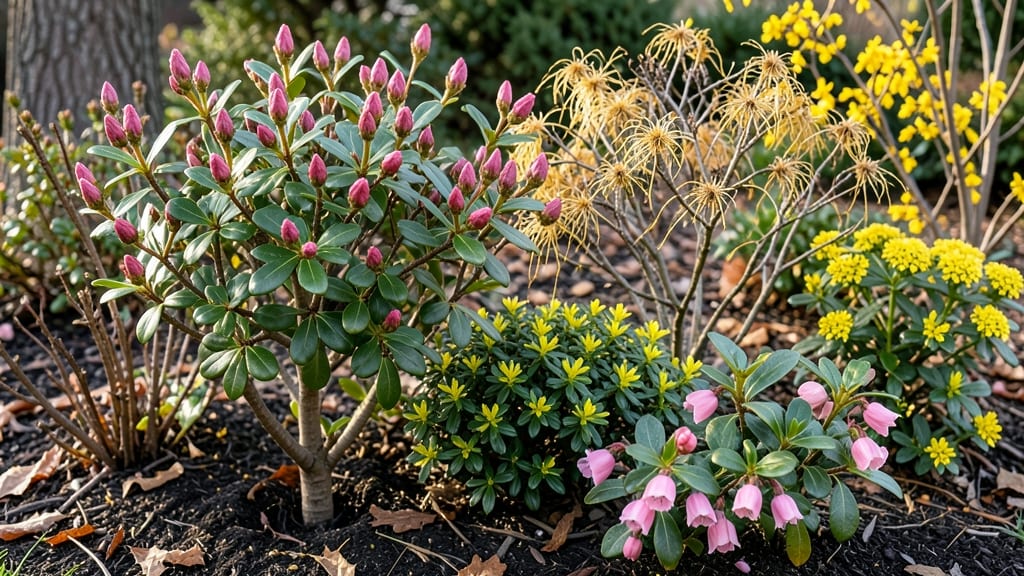
Early flowering bushes burst into color when most gardens are still sleeping under frost. 🌸 I’ve learned the hard way that planting these beauties in late winter—not spring—gives them a head start, and the difference in bloom time is staggering.
The right varieties can transform a dull yard into a fragrant, vibrant showpiece by March. These bushes thrive in cooler months when temperatures hover between 30-50°F, making them perfect for zones 5-8.
My go-to picks—like Pieris japonica and Forsythia—need well-draining soil and partial sun, but they reward patience with weeks of blooms before summer’s heat arrives. The key? Plant them while dormant, before buds even swell.
By late April, you’ll have clusters of white, pink, or yellow flowers that attract pollinators and fill the air with sweetness. The foliage stays lush long after blooms fade, giving you seasonal interest. Pair them with daffodils or hellebores to extend the display even further.
Works in borders, foundation plantings, or even large containers. Here’s how to choose the right ones for your climate and space—without the guesswork.
📚 In This Guide
- What you need
- Instructions
- Tips and common mistakes
- Wrapping up and next steps
What you need
- ● Early flowering bush plants: Choose 3–5 varieties (e.g., Pieris japonica, Hamamelis, or Viburnum bodnantense). Opt for 1–3 gallon containers for mature plants or smaller pots for younger ones.
- ● High-quality potting soil: 1–2 bags (look for a mix labeled for acidic to neutral soil, like 50% peat moss, 30% perlite, 20% compost).
- ● Organic mulch: 2–3 cubic feet (pine bark or shredded leaves work best for moisture retention).
- ● Slow-release fertilizer: 10–20 lbs (10-10-10 or balanced organic blend).
- ● Drip irrigation system or soaker hoses: 50–100 ft (for consistent watering).
- ● Garden trowel or spade: 1 medium-sized (for planting and soil prep).
- ● Pruning shears: 1 pair (bypass-style for clean cuts).
- ● Garden gloves: 1 pair (heavy-duty for protection).
- ● Wheelbarrow or bucket: 1 (for mixing soil/fertilizer).
- ○ pH testing kit: 1 (optional but helpful for acid-loving varieties).
- ● Stakes and twine: 4–6 stakes (for supporting young or leggy bushes).
- ● Sunlight assessment: Identify partial shade to full sun spots (6+ hours/day for most early bloomers).
- ● Soil test: Check drainage and pH (aim for 5.0–6.5 for optimal growth).
- ● Local climate knowledge: Research USDA Hardiness Zones 5–9 for best varieties.
- ● Water source nearby: Ensure easy access for deep watering 2–3x/week.
Step-by-Step guide to selecting and planting early flowering bushes
Here's the straightforward method I've used to bring vibrant color to gardens as early as February.
🌱 Step 1: Choose the Right Early Bloomers for Your Climate
Start with bushes that thrive in your hardiness zone—most early bloomers handle zones 4-8 well. I always check the USDA zone map for my area before selecting. For earliest blooms, focus on dwarf forsythia, weigela, or pieris japonica—they burst into color weeks before most spring flowers. These varieties bloom on old wood, meaning they'll flower even after pruning.
Look for bare-root plants in late winter for the best selection and lowest cost. Container-grown bushes are convenient but often more expensive. When comparing, prioritize plants with multiple buds along the stems—this ensures strong flowering next year. Avoid leggy specimens with sparse foliage, as they'll struggle to rebound.
🪴 Step 2: Prepare the Planting Site for Fast Establishment
Pick a location with morning sun and afternoon shade—this protects early flowers from harsh afternoon heat while ensuring enough light for strong root growth. Early bloomers often appreciate slightly acidic soil (pH 5.5-6.5), so test your soil before planting. If your soil is heavy clay, amend with 2-3 inches of compost mixed into the top 12 inches.
Dig a hole twice as wide as the root ball but only as deep—planting too deep suffocates roots. Loosen the roots gently if they're circling (a common issue with container-grown plants). I always add a handful of slow-release fertilizer to the bottom of the hole—this gives roots a nutrient boost without burning tender new growth.
☀️ Step 3: Plant and Water for Immediate Root Development
Place the bush in the hole so the top of the root ball sits level with the surrounding soil—never deeper. Backfill with native soil mixed with 1 part compost, tamping lightly as you go to eliminate air pockets. Water deeply right after planting to settle the soil and encourage root contact with the surrounding earth.
Create a 2-inch deep watering basin around the base to direct moisture where it's needed. Water again after 3-4 days to prevent transplant shock, then maintain 1 inch of water per week during the first growing season. Mulch with 2-3 inches of shredded bark to retain moisture and regulate soil temperature—this is especially critical in early spring when roots are still establishing.
✂️ Step 4: Prune Strategically to Encourage Next Year's Blooms
Wait until after flowering to prune most early bloomers—this ensures you don't remove next year's buds. For weigela and forsythia, I remove 1/3 of the oldest stems at ground level to encourage new growth. Cut just above a bud or outward-facing branch to maintain an open, airy shape. Avoid "thinning out" too aggressively in the first year—you want the plant to focus on root growth.
If you notice dead or crossing branches, remove them immediately using clean, sharp pruners. Sterilize your tools with rubbing alcohol between cuts to prevent disease spread. Early flowering bushes respond well to light pruning—never remove more than 20% of the plant in a single year. You'll see fuller blooms next spring as the plant matures.
Tips & tricks for perfect early flowering bushes
Here's what nobody tells you about getting those first blooms to shine brighter and last longer.
Selection Strategy: When choosing between bare-root and container-grown bushes, opt for bare-root in late winter—they're cheaper and often hardier. But if you're planting in spring, container-grown bushes give you a head start. Look for plants with multiple buds along the stems (Step 1) rather than just at the tips. These buds are where next year's flowers form, so more buds mean more blooms. Avoid plants with yellowing leaves or dry stems—they're already stressed and won't rebound quickly.
Soil Prep Secret: The 2-3 inches of compost mixed into the top 12 inches of soil (Step 2) is non-negotiable for early bloomers. I've seen plants struggle in heavy clay even when watered properly. For clay soil, mix in one part perlite or coarse sand to improve drainage. If your soil test shows a pH above 6.5, add elemental sulfur at planting time—it takes 2-3 months to adjust pH, but your bushes will thank you next spring.
Watering Wisdom: That 2-inch deep watering basin (Step 3) isn't just about quantity—it's about consistency. Water deeply but infrequently. Early bloomers hate soggy roots but need steady moisture. In my experience, 1 inch per week is perfect, but check soil moisture by sticking your finger 2 inches down—if it's dry, water again. Mulch with 2-3 inches of shredded bark (not wood chips) to keep soil temps stable and reduce watering by 30%.
Pruning Precision: When pruning weigela or forsythia (Step 4), cut just above a bud that faces outward. This creates an open shape that lets sunlight reach all parts of the plant. I mark my cuts with a pencil first—it's amazing how different the plant looks after just a few strategic cuts. And never prune more than 20% of the plant in one year. These bushes are tough, but they'll focus on recovery over flowering if you overdo it.
Pro Tips for Early Flowering Bushes
- Here's what nobody tells you about getting those first blooms to shine brighter and last longer.
- Selection Strategy: When choosing between bare-root and container-grown bushes, opt for bare-root in late winter—they're cheaper and often hardier.
- Soil Prep Secret: The 2-3 inches of compost mixed into the top 12 inches of soil (Step 2) is non-negotiable for early bloomers.
Frequently asked questions
Got questions about early flowering bushes?
You’re not alone—these spring stars can be tricky to time, plant, or maintain. Below, we’ve rounded up the most common queries to help you grow a show-stopping display without the guesswork.
When is the best time to plant early flowering bushes?
The ideal window is late fall to early spring (before buds swell), when soil is workable but not frozen. For container-grown bushes, you can plant throughout the growing season, but water deeply afterward to reduce transplant shock. Pro tip: Mulch after planting to lock in moisture and protect roots from temperature swings.
How do I encourage my early flowering bush to bloom earlier?
Timing blooms depends on variety, but you can nudge nature along by:
- Pruning right after flowering (never in fall/winter) to promote next year’s buds.
- Avoiding heavy fertilizers high in nitrogen—phosphorus-rich feeds (like 5-10-5) boost blooms.
- Choosing sun-loving varieties (e.g., Pieris japonica or Viburnum bodnantense) for your climate.
Warning: Over-pruning or late-season trims can delay—or even stop—spring blooms!
What are the hardiest early flowering bushes for cold climates?
If you’re in Zones 3–5, these toughies thrive:
Bush
Zone Range
Bloom Time
Weigela florida
4–8
Late spring (pink/red)
Fothergilla gardenii
5–8
Early spring (white bottlebrush)
Hamamelis virginiana (Witch Hazel)
4–8
Winter/early spring (yellow/orange)
Pro tip: Group them near south-facing walls for extra winter sun protection!
Why aren’t my early flowering bushes blooming this year?
Common culprits include:
- Over-fertilizing: Too much nitrogen = leafy growth, no flowers. Switch to bloom-boosting formulas.
- Poor pruning: Cutting back after blooming (for spring flowers) or before (for summer bloomers) can confuse the plant.
- Stress: Drought, pests (like spider mites), or root-bound pots stunt flowering. Check soil moisture and inspect leaves!
- Age: Young bushes (under 3 years) may focus on root growth. Be patient!
Fix it: Prune dead or crossing branches now, then feed with low-nitrogen fertilizer in early spring.
Can I grow early flowering bushes in containers? Yes—but how?
Opt for dwarf varieties (e.g., Abelia ‘Kaleidoscope’) and use:
- A 5-gallon+ pot with drainage holes.
- Well-draining potting mix (add perlite for aeration).
- Regular watering (containers dry out faster!).
Bonus: Move pots to bright, sheltered spots in winter to protect from frost. Just avoid full sun in summer—it can scorch leaves!
Wrapping up and next steps
Early flowering bushes are the perfect way to welcome spring with vibrant color and intoxicating fragrance—no waiting required! Whether you’re a seasoned gardener or just starting, these bold beauties bring instant joy and transform any outdoor space into a lively haven. 🌸✨
Ready to dive in? Start by sketching your garden layout, then pick your favorite bloomers from our top picks. Before you know it, your yard will be buzzing with pollinators—and compliments! Happy planting! 🌱💛