
Shrubs
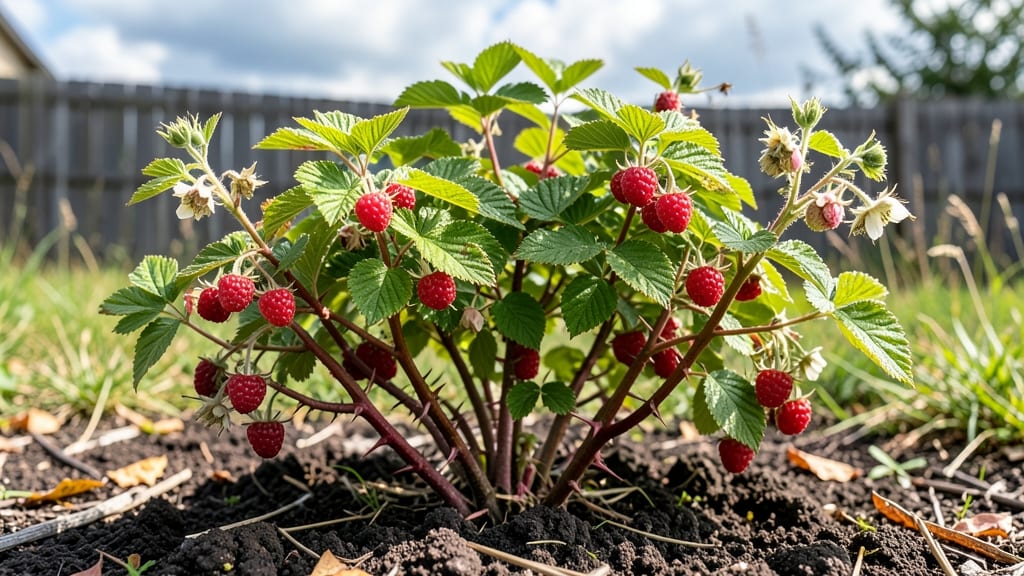
Raspberry bushes come back every year—perennial powerhouses that reward patience with years of harvests if you give them the right care. 🌱 I’ve watched my own canes send up fresh shoots each spring, thicker and stronger than the year before, as long as I handle pruning and winter prep correctly.
The secret lies in their roots: even if the canes die back in winter, the crown stays alive underground, ready to burst with new growth by late spring. Zone 4-9 varieties handle cold well, but mulching and pruning make all the difference—especially in harsh winters or wet springs when rot can sneak in.
You’ll know you’re doing it right when you see bright green, arching canes by May, each one packed with next year’s fruit buds. The first harvest arrives in mid-summer, and with proper care, your bushes will keep producing for 5-10 years or more.
Here’s the kicker: neglect kills them faster than winter. A little winter protection and summer attention keeps them thriving decade after decade—no replanting needed.
📚 In This Guide
- What you need
- Instructions
- Tips and common mistakes
- Wrapping up and next steps
What you need
- ● Raspberry canes: Choose perennial varieties like 'Heritage,' 'Boyne,' or 'Nova' (2-5 canes per plant, depending on space). Buy bare-root canes in early spring or potted plants.
- ● Well-draining soil: Aim for a mix of loamy soil with a pH of 5.5–6.5. Amend clay or sandy soil with compost (2–3 inches mixed into the top 12 inches of soil).
- ● Compost or organic matter: 5–10 gallons per planting hole to enrich soil and retain moisture.
- ● Fertilizer: Balanced fertilizer (10-10-10 or 5-10-10): 1–2 pounds per 100 sq. ft. of planting area (apply in early spring).
- ○ Slow-release organic fertilizer: Optional but ideal for long-term growth (e.g., alfalfa meal or fish emulsion).
- ● Mulch: 2–3 inches of straw, wood chips, or pine needles to suppress weeds, retain moisture, and protect roots.
- ● Watering can or hose with a gentle spray nozzle: Raspberries need 1–1.5 inches of water per week, especially during fruiting.
- ● Pruners: Bypass pruners (sharp and clean) for trimming canes (avoid dull tools to prevent disease).
- ● Gloves: Heavy-duty gardening gloves to protect against thorns.
- ● Stakes or trellis system: T-posts or metal stakes: 6–8 feet tall (1–2 per plant).
- ● Twine or nylon rope: 1/4-inch thick, for tying canes (2–3 spools per 10 plants).
- ● Soil test kit: To check pH and nutrient levels before planting (available at garden centers).
- ● Drip irrigation system: For consistent watering, especially in hot climates.
- ● Bird netting: To protect ripe berries from hungry birds and wildlife.
- ● Epsom salt (magnesium sulfate): 1 tablespoon per plant in early spring for green, healthy foliage.
- ● Neem oil or copper fungicide: For preventing fungal diseases like cane blight (use sparingly).
- ● Plant markers: To label varieties and track growth stages.
How to ensure your raspberry bushes return strong every year
Raspberries are perennial powerhouses—with the right care, they’ll reward you for years. Here’s how to keep them thriving season after season.
🌱 Step 1: Understand Their Perennial Nature and Plant Correctly
Raspberry bushes do come back every year, but only if planted properly. They’re hardy perennials, meaning their roots survive winter, and new canes emerge in spring. I always plant crowns (the swollen base where roots meet stems) just 1–2 inches below soil level—any deeper and they’ll rot; too shallow and they’ll dry out.
Choose a spot with full sun (6+ hours daily) and well-draining soil. Raspberries hate soggy roots, so amend heavy clay with 2–3 inches of compost before planting. The key is balance: enough moisture to thrive, but never waterlogged. Test your soil’s drainage by digging a hole, filling it with water, and watching how fast it drains—if it takes more than an hour, amend with sand or gravel.
☀️ Step 2: Prune Strategically in Late Winter or Early Spring
Pruning is where most gardeners trip up. The rule is simple: remove all old canes (those that produced fruit last year) at ground level. They’re hollow and won’t fruit again, but leaving them weakens the plant. I also cut out any thin, spindly canes—these are energy vampires that drain nutrients from productive canes.
Leave the thick, sturdy canes (1–2 years old) to fruit this season. These are your "primocanes" (first-year growth) for summer-bearing varieties or the main producers for fall-bearing types. Use clean, sharp pruners to avoid tearing bark, and sterilize them with rubbing alcohol between cuts to prevent disease spread.
💧 Step 3: Water Deeply and Mulch for Winter Protection
Raspberries need 1–1.5 inches of water weekly, but deep soaking is better than frequent shallow watering. I water at the base in the morning to reduce evaporation and fungal risks. In their first year, keep soil consistently moist—drought stress stunts root growth, and you won’t get strong returns next season.
After watering, top with 3–4 inches of mulch (straw or wood chips work best). This insulates roots in winter and keeps soil cool in summer. I pull mulch back slightly from the crown to prevent rot, but leave a 2-inch buffer around the base. This protects against temperature swings that can kill tender new growth.
✂️ Step 4: Fertilize and Monitor for Pests/Diseases
Feed raspberries in early spring with a balanced 10-10-10 fertilizer (about 1/2 cup per plant). Avoid high-nitrogen fertilizers—too much leafy growth at the expense of fruit. I also side-dress with compost tea mid-summer for a gentle nutrient boost without burning roots.
Watch for spider mites, cane borers, and fungal spots on leaves. I spray neem oil preventatively in early summer and remove any infected canes immediately. Healthy plants bounce back faster, so don’t wait until problems spread. A quick inspection every 2 weeks catches issues before they derail your perennial plan.
⏰ Step 5: Prepare for Winter Dormancy
Before the first frost, cut back any remaining foliage to 6–12 inches above ground. This prevents disease overwintering in dead leaves. I also wrap young canes (under 2 years old) with burlap or frost cloth if your winters dip below 10°F—raspberries handle cold, but extreme freezes can damage new growth.
Leave mulch in place through winter unless you’re in a very wet climate (then remove it temporarily to prevent rot). In spring, rake away old mulch and replace it with fresh. The goal is to protect roots without smothering them—raspberries need airflow to thrive.
Tips & tricks for perennial raspberry care
Here's what nobody tells you about keeping raspberry bushes thriving year after year.
Planting Depth Matters: That 1–2 inch planting depth for the crown isn't just a suggestion—it's the difference between thriving bushes and root rot. I learned this the hard way after losing three plants to over-planting. Use a ruler to verify depth, and make sure the soil around the crown stays loose for proper airflow. Too deep? The crown will suffocate; too shallow? It'll dry out.
Pruning Timing is Critical: Late winter or early spring pruning gives your raspberries the jumpstart they need. Look for canes that are thick and sturdy—they're your fruit producers for the season. Thin, spindly canes? Cut them out immediately. I use a pair of pruners sterilized with rubbing alcohol between cuts to prevent spreading disease, and I always prune on a dry day to avoid fungal issues.
Winter Protection Secrets: When temperatures drop below 10°F, young canes need extra protection. Wrap them with burlap or frost cloth, but leave the tops exposed so they can breathe. In wet climates, remove mulch temporarily to prevent rot—just remember to replace it once the ground freezes. I've seen bushes survive -20°F winters with this simple protection.
Pest Prevention Starts Early: Spider mites and cane borers love raspberry bushes, but you can outsmart them. I start with neem oil spray in early summer and inspect leaves every 2 weeks. The key is catching problems early—once those little pests get established, they're nearly impossible to eradicate. Remove infected canes immediately and dispose of them far from your garden.
Pro Tips for Do Raspberry Bushes Come Back Every Year
- Here's what nobody tells you about keeping raspberry bushes thriving year after year.
- Planting Depth Matters: That 1–2 inch planting depth for the crown isn't just a suggestion—it's the difference between thriving bushes and root rot.
- Pruning Timing is Critical: Late winter or early spring pruning gives your raspberries the jumpstart they need.
Frequently asked questions
Got questions about raspberry bushes and their perennial nature?
Here are answers to the most common ones—so you can grow confidently and troubleshoot like a pro!
Do raspberry bushes die back in winter?
Yes! Raspberry bushes are deciduous perennials, meaning they lose their leaves in fall and appear dormant in winter. However, the roots and crown stay alive underground, ready to sprout new canes in spring. Pro tip: Mulch heavily (3–4 inches) to protect roots from freezing—this keeps them cozy until warmer weather!
How long does it take for a raspberry bush to come back after winter?
New growth typically emerges in early spring (March–April, depending on your climate), often within 2–4 weeks after the last hard frost. Look for primocanes (thin, green shoots) pushing through the soil. If your bush is slow to wake up, check for root rot or poor drainage—both can delay regrowth.
Why did my raspberry bush not come back this year?
There are a few likely culprits:
- Extreme cold: Temperatures below -15°F can kill the crown. Choose cold-hardy varieties (e.g., 'Boyne' or 'Nova') if you live in Zone 4 or colder.
- Pests/disease: Cane borers or fungal issues (like Phytophthora) can weaken roots. Prune dead canes and treat soil with copper fungicide if needed.
- Overwatering: Soggy soil suffocates roots. Ensure well-draining soil and water deeply but infrequently.
Dig up a small section of the root—if it’s mushy or black, it’s dead. If firm, it’s likely just dormant!
Can I plant raspberries in fall instead of spring?
Fall planting (6–8 weeks before frost) gives roots time to establish before winter. Choose bare-root plants and plant them in trenches to encourage a wide root system. Water thoroughly after planting, and mulch to insulate roots. Warning: Avoid fall planting in areas with mild winters (Zones 8–10)—raspberries need cold dormancy to thrive.
How do I know if my raspberry bush is healthy enough to come back next year?
Healthy bushes show these signs:
- 3–5 floricanes (last year’s canes) with red/brown stems.
- New primocanes (green, arching shoots) emerging in spring.
- No yellowing leaves, mold, or holes in stems.
If your bush has fewer than 3 canes or looks spindly, it may need fertilizer or a more nutrient-rich spot. Feed with compost or a balanced 10-10-10 fertilizer in early spring!
Wrapping up and next steps
So, do raspberry bushes come back every year? Absolutely! 🌱 These hardy perennials reward patience with delicious, repeat harvests for years—just give them the right care, space, and a little winter prep.
Whether you’re a first-time gardener or a seasoned green thumb, your raspberry patch is a low-maintenance investment in fresh, flavorful fruit.
Ready to turn your patch into a thriving berry paradise? Start small: prune, mulch, and protect your bushes this fall, then watch them bounce back bigger and better next spring. Your future raspberry jam (or smoothies!) will thank you. 🍓✨