
Pruning
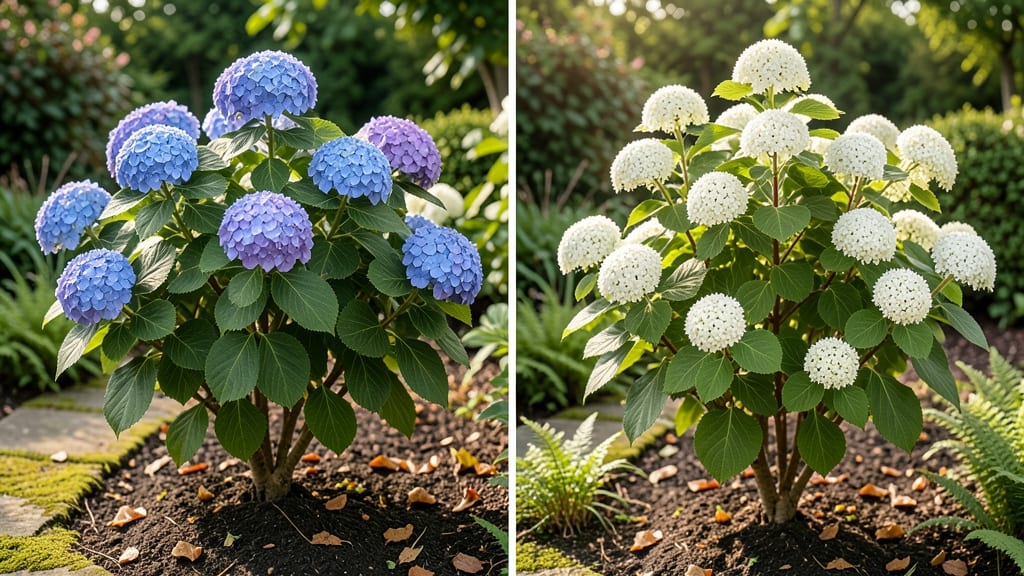
The difference between hydrangea and snowball bush might not be obvious at first glance, but their leaf shape, bloom time, and pruning needs create completely different garden impacts. 🌿 I’ve spent years growing both, and the way they transform a space—one with bold color shifts and the other with pure white drama—is what makes them stand out in garden design.
Hydrangeas dazzle with vibrant blooms that change color based on soil pH, while snowball bushes offer cloud-like white flowers that stand out against any backdrop. The foliage alone tells the story: hydrangeas have rounded, serrated leaves, while snowball bushes boast longer, lance-shaped leaves with a glossy finish.
These differences aren’t just technical—they shape how you use them in your garden.
For seasonal interest, hydrangeas deliver summer-to-fall color, while snowball bushes shine brightest in late spring, creating a layered effect when planted together. One thrives in partial shade, the other in full sun—so pairing them lets you play with light and shadow.
The pruning needs? Hydrangeas need spring cuts, while snowball bushes get their best show when pruned right after flowering.
Use hydrangeas as focal points or borders, and snowball bushes as structural accents or hedges. Their contrasting textures and bloom times make them a power duo for any garden layout—just don’t plant them too close, or one will steal the show! Here’s how to make them work together seamlessly.
The first product explained
Ready to add a stunning, low-maintenance shrub to your garden but unsure whether to choose a hydrangea or a snowball bush? Let’s dive into one of the best options for effortless beauty: the Hydrangea arborescens 'Annabelle'—a classic hydrangea that’s perfect for beginners and seasoned gardeners alike! 🌸
🌿 Product Specs & Features
This hardy perennial is a showstopper with its large, round blooms that start as green buds and mature into pure white, snowball-like clusters. Here’s what makes it a top pick:
- Height: 3–5 feet (can reach up to 6 feet with proper care)
- Spread: 3–5 feet (bushy and rounded)
- Bloom Time: Mid-to-late summer (June–August), with blooms lasting until frost
- Light Needs: Partial shade to full sun (morning sun + afternoon shade is ideal)
- Soil Type: Adaptable but thrives in moist, well-draining soil (add organic matter for best results)
- Hardiness Zones: 3–9 (cold-resistant and drought-tolerant once established)
- Color Variety: Classic white (though some cultivars offer pink or blue-green foliage)
🎯 Who Is This For?
This hydrangea is a versatile dream for:
- 🌱 Beginner gardeners – Easy to grow with minimal fuss
- 🏡 Homeowners – Perfect for borders, foundation plantings, or container gardens
- 🐝 Pollinator lovers – Attracts bees and butterflies with its abundant blooms
- 🎨 DIY landscapers – Adds texture and volume to any garden design
💰 Price Point & Where to Buy
Prices vary based on size and retailer, but you can typically find:
| Size | Price Range | Where to Shop |
|---|---|---|
| 1-gallon container | $15–$30 | Local nurseries, Home Depot, Lowe’s |
| 3–5 gallon container | $30–$60 | Specialty garden centers, Etsy (for rare cultivars) |
| Bare-root (spring planting) | $10–$25 | Online seed sellers (e.g., Burpee, Fast-Growing-Trees.com) |
Pro Tip: 💡 Buy from local nurseries in your hardiness zone to ensure the best adaptation to your climate!
The second product explained
If you’re captivated by the Snowball Bush (Viburnum opulus) and its stunning, cloud-like blooms, this plant is a must-have for your garden! 🌸 Known for its show-stopping white flowers and lush foliage, the Snowball Bush is a favorite among gardeners who love low-maintenance yet high-impact plants.
Here’s what makes it stand out:
🌿 Key Specs & Features
- Height: Typically grows 6 to 12 feet tall, making it ideal for hedges, borders, or as a standalone specimen.
- Spread: Reaches 8 to 15 feet wide, providing ample coverage for privacy screens or focal points.
- Bloom Time: Late spring to early summer, with flowers lasting 4-6 weeks—perfect for extending your garden’s seasonal color.
- Leaf Shape: Oval with serrated edges, turning a soft yellow or reddish hue in fall.
- Hardiness: Thrives in USDA Zones 2-7, making it adaptable to cold climates.
- Sunlight: Prefers full sun to partial shade—ideal for gardens with dappled light.
- Soil Type: Tolerates moist, well-drained soil but is flexible enough for average garden conditions.
🎯 Target Users
The Snowball Bush is perfect for:
- Beginners: Its hardy nature and minimal pruning needs make it a great starter plant.
- Privacy Seekers: Its dense growth creates a natural, living screen without sacrificing beauty.
- Wildlife Lovers: Attracts butterflies, bees, and birds with its nectar-rich flowers.
- Seasonal Gardeners: Offers year-round interest with spring blooms, summer foliage, and fall color.
💰 Price Point & Availability
The Snowball Bush is affordable and widely available, with prices varying based on size and supplier:
- Container-Grown (1-3 gallons): $30–$60 – Great for immediate planting.
- Bare-Root (Dormant Season): $25–$50 – A budget-friendly option for larger plants.
- Established Shrubs (5+ gallons): $70–$120 – Ideal for quick garden impact.
You can find Snowball Bushes at local nurseries, big-box stores (like Home Depot or Lowe’s), or online retailers such as Proven Winners or Fast-Growing-Trees.com. Pro Tip: 💡 Buy from reputable sellers to ensure healthy, disease-resistant stock!
Head-to-head comparison
Ready to dive into the side-by-side showdown between these two garden stars? Whether you're a seasoned gardener or a curious newbie, this comparison will help you decide which plant steals the spotlight in your landscape!
Let’s break it down by key dimensions—because every detail matters when it comes to your garden’s main characters. 🌸🌿
🌱 Leaf Shape and Foliage
The first thing that catches your eye when comparing hydrangeas and snowball bushes isn’t just their blooms—it’s their leaves. Here’s how they stack up:
- Hydrangea:
- Shape: Broad, oval, or elliptical leaves, often with serrated edges. Some varieties, like Hydrangea macrophylla, have glossy, heart-shaped leaves.
- Texture: Smooth or slightly hairy, depending on the species. Leaves can range from deep green to rich purple or even variegated.
- Seasonal Interest: Stays attractive year-round in milder climates, with some varieties turning vibrant shades of red or orange in fall.
- Snowball Bush (Viburnum opulus):
- Shape: Opposite, simple leaves that are oval to round with a pointed tip. Edges are often slightly serrated but less pronounced than hydrangeas.
- Texture: Typically smooth and leathery, with a medium green hue. Some varieties may have a slight blue-green tint.
- Seasonal Interest: Deciduous, so leaves turn yellow or brown in fall before dropping. Less dramatic than hydrangeas but still adds seasonal charm.
Winner for foliage lovers? If you adore year-round texture and bold color changes, hydrangeas take the crown. But if you prefer clean, classic foliage with a touch of elegance, the snowball bush is a sleek contender.
🌸 Bloom Time and Flower Characteristics
This is where these two plants really shine—and where their personalities diverge! Let’s talk flowers.
| Feature | Hydrangea | Snowball Bush |
|---|---|---|
| Bloom Season | Varies by species:
|
Late spring to early summer (typically June). Some varieties may produce a second, smaller flush of blooms in fall. |
| Flower Form |
|
Large, round, snowball-shaped clusters (hence the name!). Individual flowers are small but packed densely together. |
| Color Range | Stunning variety:
|
Primarily white, though some newer cultivars offer pink or red blooms. Color remains consistent. |
| Fragrance | Mostly non-fragrant, though some varieties like H. paniculata 'Limelight' have a faint sweet scent. | Highly fragrant! Snowball bushes emit a delicate, sweet aroma, especially in late spring. |
Pro Tip: 💡 If you love long-lasting blooms and color versatility, hydrangeas are your go-to. But if you’re dreaming of romantic, fragrant garden moments, the snowball bush’s intoxicating scent might just win you over.
✂️ Pruning Needs and Growth Habits
Pruning can make or break your plant’s performance—and these two have very different requirements. Let’s cut to the chase!
- Hydrangea:
- When to Prune:
- H. macrophylla and H. arborescens: Prune right after flowering (late summer to early fall) to avoid cutting off next year’s blooms.
- H. paniculata: Prune in late winter or early spring to shape and encourage new growth.
- How to Prune: Remove dead or weak branches, thin out crowded stems, and shape as needed. Some varieties benefit from rejuvenation pruning every few years.
- Growth Rate: Moderate to fast, depending on the species. Can grow 3–10 feet tall and wide.
- Hardiness: Varies by species (USDA Zones 4–9 for most hydrangeas).
- When to Prune:
- Snowball Bush:
- When to Prune:
- Immediately after flowering (late spring to early summer) to remove spent blooms and shape.
- Avoid pruning in fall or winter, as it can encourage winter dieback.
- How to Prune: Cut back old wood to encourage new growth. Thin out crossing or weak branches to improve airflow. Never prune in late summer or fall!
- Growth Rate: Moderate. Typically grows 6–12 feet tall and 6–15 feet wide.
- Hardiness: USDA Zones 2–7 (more cold-hardy than most hydrangeas!).
- When to Prune:
Key Takeaway: 🔥 Hydrangeas are flexible but require timing precision for pruning. Snowball bushes are low-maintenance if you prune right after blooming—but miss the window, and you risk losing next year’s flowers. Plan ahead!
💰 Cost and Availability
Let’s talk budget—because even the most stunning plants need to fit your wallet! Here’s what to expect
Which one should you choose?
So, which one should you bring home to your garden? The choice between hydrangeas and snowball bushes depends on your priorities—whether it’s color drama, low-maintenance beauty, or seasonal versatility. Let’s break it down to help you decide!
🌸 Pick Hydrangeas If...
- You love color variety: Hydrangeas offer pinks, blues, purples, whites, and greens—plus, their blooms change with soil pH! 🎨 Perfect for adding a pop of vibrancy.
- You want year-round interest: Their large, lush foliage stays attractive even when not in bloom, and some varieties (like Oakleaf) have stunning fall colors.
- You’re okay with a little extra care: They thrive in partial shade and need occasional pruning (or none at all for certain types). If you’re willing to tweak soil pH for color shifts, they’re worth it!
❄️ Pick Snowball Bushes If...
- You prefer effortless elegance: Their pure white, pom-pom blooms create a timeless, romantic look with minimal fuss. 💫 Ideal for cottage gardens or classic landscapes.
- You need a bold statement plant: Snowball bushes grow tall (up to 15 ft!) and make a dramatic focal point—perfect for hedges, privacy screens, or backyard centerpieces.
- You want a low-maintenance superstar: They’re drought-tolerant once established, handle full sun to partial shade, and rarely need pruning (just clean up dead blooms in late winter).
🌿 The Ultimate Hybrid Solution?
Can’t decide? Why not both! Plant a hydrangea for seasonal color shifts and a snowball bush as a striking backdrop. For example:
- A blue hydrangea near a white snowball bush creates a cool, dreamy contrast.
- Use a pink hydrangea to soften the snowball’s boldness and add warmth.
Pro tip: 💡 If space is limited, opt for dwarf hydrangeas (like ‘Little Lime’) or compact snowball varieties (like ‘White Dove’) to save room without sacrificing impact.
No matter which you choose, you’ll have a show-stopping garden—just pick the one that aligns with your style, sunlight, and patience level! 🌺✨