
Shrubs
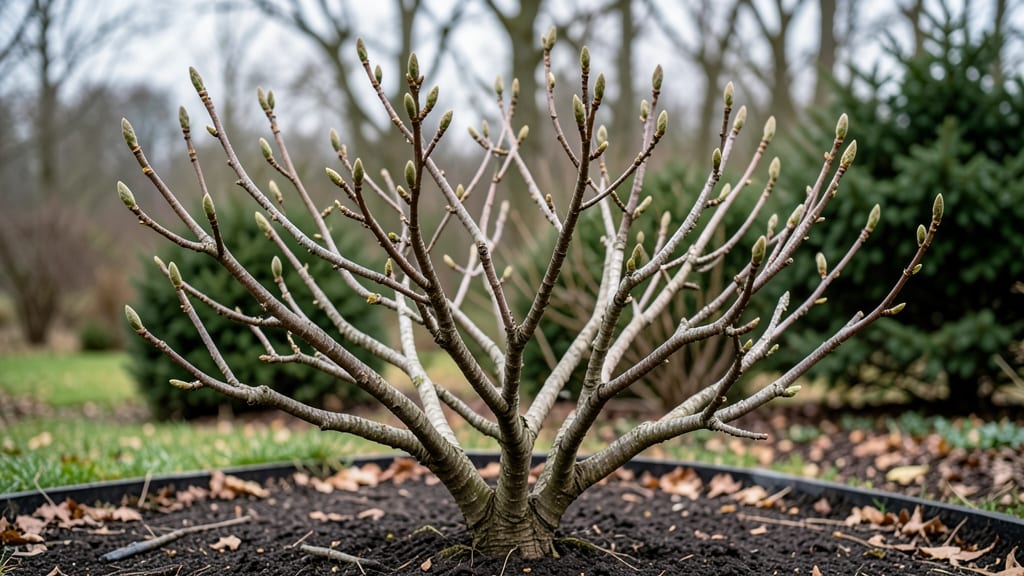
Lilac bushes do lose their leaves in winter as deciduous shrubs, naturally shedding foliage each year to conserve energy during cold months. Fresh leaves and fragrant blooms return in spring.
This seasonal cycle isn't just about appearance—it's a survival strategy. 🌿 Lilacs enter dormancy when temperatures drop, halting growth to preserve moisture and nutrients. The leaf drop reduces water loss through transpiration, which is critical for plants in freezing conditions.
Unlike evergreens that maintain needles year-round, lilacs prioritize energy conservation by shedding leaves, then regrow them when warmth returns. This pattern makes them perfectly adapted to temperate climates.
What's interesting is how this process varies by region. In colder zones, lilacs may stay dormant longer, while milder winters can lead to earlier budding. The timing of leaf regrowth often signals spring's arrival, with new growth appearing before or alongside the iconic purple blooms that gardeners love.
This natural rhythm means winter care focuses on protecting the plant's structure rather than the foliage itself.
💡 In This Article
- Why Lilac Bushes Shed Leaves in Winter
- Caring for Lilac Bushes After Winter Leaf Drop
Why lilac bushes shed leaves in winter
Lilac bushes follow a biological survival strategy called deciduous dormancy, where they intentionally drop leaves to conserve energy during winter's harsh conditions. The process begins when temperatures consistently fall below 40°F (4°C), triggering the plant to produce a hormone called abscisic acid.
This chemical signals leaf cells to form a separation layer at the base of each leaf stem, causing them to detach cleanly. The timing varies slightly by region—northern climates may see leaf drop by late fall, while milder areas might retain leaves until early winter.
The energy conservation aspect is fascinating. A single mature lilac leaf can lose up to 10% of its water content daily through transpiration—a process where water vapor escapes through tiny pores called stomata. By shedding leaves, the plant reduces this water loss dramatically, preventing dehydration in frozen soil.
This adaptation is similar to how maple trees or oak trees operate, but lilacs take it a step further by also slowing their root activity to 50% of summer levels, further conserving stored nutrients.
What makes lilacs unique is their photoperiod sensitivity—they use daylight duration to predict winter's approach. As daylight hours shrink below 12 hours per day, the plant's internal clock activates dormancy protocols.
This is why lilacs in northern latitudes often drop leaves earlier than those in southern gardens, where milder winters delay the process. The plant's ability to "predict" winter through light cues is a sophisticated survival mechanism shared with other temperate-zone shrubs like hydrangeas and forsythia.
During dormancy, lilac bushes enter a state of physiological rest, where all growth processes pause. The plant's metabolic rate drops by 70-80%, and new buds form at the base of stems, protected by thick, waxy coatings that prevent moisture loss.
These buds contain pre-formed leaves and flower clusters that will emerge when temperatures consistently rise above 50°F (10°C) in spring. This pre-programmed growth ensures lilacs can bloom rapidly once conditions improve.
Comparing lilacs to evergreens like boxwoods reveals the trade-offs in this strategy. While evergreens maintain foliage year-round, they must constantly produce new needles to replace lost ones, requiring significant energy.
Lilacs, however, invest their energy in producing larger, more robust blooms each spring—a trade-off that makes their seasonal cycle particularly striking in gardens. The dramatic leaf drop creates a skeletal framework that many gardeners find beautiful, especially when contrasted with evergreen shrubs that remain lush throughout winter.
Interestingly, the timing of leaf regrowth often serves as a natural calendar for gardeners. In many temperate regions, lilacs begin pushing new growth when average daily temperatures reach 55°F (13°C), typically 4-6 weeks before their famous blooms appear.
This early growth is particularly vulnerable to late frosts, which is why gardeners often protect young shoots with frost cloths—a practice that can significantly boost a lilac's chances of producing abundant flowers later in the season.