
Pruning
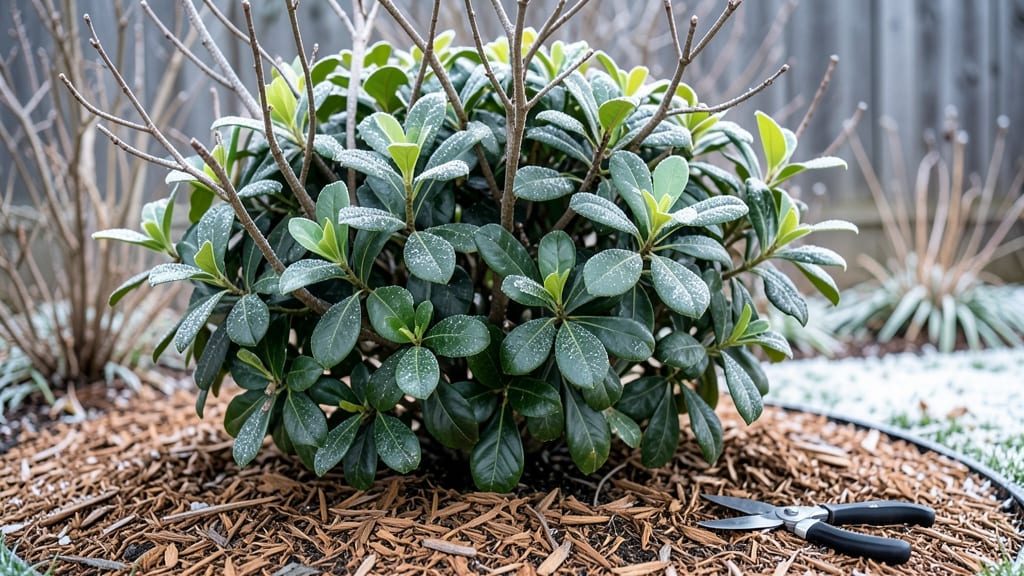
Your gardenia bush’s winter survival starts with understanding its dormancy needs—because skipping this step means fewer spring blooms. 🌿 I’ve watched gardenias struggle through cold snaps, only to rebound spectacularly when given the right care.
The key? Balancing water, protection, and a little strategic pruning to keep it healthy until warmer weather arrives.
First, reduce watering drastically—once every 2-3 weeks is plenty unless your region freezes solid. Gardenias hate soggy roots in winter, but they also can’t handle drought stress.
Wrap the base in 3-4 inches of mulch to insulate roots, and if temperatures dip below 20°F, cover the bush with frost cloth or a burlap blanket. For tender varieties, consider moving pots indoors near a bright window.
Winter’s the perfect time to prune—cut back dead or crossing branches to encourage fresh growth in spring. Check for pests (like scale) while you’re at it, and wipe down leaves with a damp cloth if they look dusty.
The goal? A bush that looks dormant but is actually storing energy for its big spring comeback.
If your gardenia drops leaves, don’t panic—it’s often just adjusting to the season. But watch for mushy stems or blackened buds, signs of overwatering or frost damage. Revive it in early spring with a balanced fertilizer and a little extra TLC.
With the right winter care, you’ll be rewarded with glossy new leaves and fragrant blooms by May.
📚 In This Guide
- What you need
- Instructions
- Tips and common mistakes
- Wrapping up and next steps
What you need
- ● Pruning shears or loppers – Sharp, clean, and sterilized (alcohol wipe or bleach solution) to avoid disease. Size: 5-7" blades for small branches.
- ● Gloves – Heavy-duty gardening gloves (thick leather or nitrile-coated) to protect from thorns and sap.
- ● Mulch – 2-4 inches of organic mulch (pine bark, straw, or shredded leaves) to insulate roots.
- ● Watering can or hose with adjustable nozzle – For deep, controlled watering (avoid overhead spraying).
- ○ Fertilizer (optional but helpful) – Slow-release, low-nitrogen fertilizer (e.g., 5-10-10 ratio) to support root health.
- ● Sheltered location – If outdoors, choose a spot protected from harsh winds and frost (e.g., against a south-facing wall).
- ● Well-draining soil – Ensure the planting area has amended soil (add compost or perlite if drainage is poor).
- ○ Drip irrigation or soaker hose (optional) – For consistent moisture without wetting foliage.
- ● 💡 Sterilize tools between cuts to prevent fungal spread—gardenia bushes are sensitive!
- ● 🌡️ Monitor temps: Gardenias thrive in USDA Zones 8-11; in colder zones, move potted plants indoors or use frost cloth.
- ● ✨ Avoid over-mulching—keep mulch 2-3 inches away from the trunk to prevent rot.
Step-by-Step winter care for your gardenia bush
Here’s how I protect my gardenias through winter so they burst into spring with vibrant blooms.
🌿 Step 1: Reduce Watering Gradually
As temperatures drop below 50°F, cut back on watering to once every 10-14 days. Gardenias hate soggy roots in winter, and overwatering invites fungal diseases like root rot. Check the soil 2 inches deep—it should feel slightly dry before watering again.
I like to water in the early morning so excess moisture evaporates during the day. If your gardenia is in a container, reduce watering even more—potted plants dry out faster but also lose heat at night. A quick finger test tells you everything: if soil clings to your finger, wait a few more days.
☀️ Step 2: Adjust Light Exposure
Gardenias need bright, indirect light year-round, but winter’s weak sun can stress them. Move potted gardenias closer to a south-facing window or supplement with a grow light for 6-8 hours daily. You’ll notice leaves yellowing or stretching toward light if they’re not getting enough.
Outdoor gardenias don’t need relocation unless your area gets hard freezes (below 20°F). In that case, cover the plant with burlap or frost cloth at night. Avoid plastic—it traps moisture and can burn leaves in sunlight. A light layer of mulch (2-3 inches) around the base also insulates roots.
✂️ Step 3: Prune Lightly for Airflow
Winter is the best time to prune gardenias lightly—just remove dead, damaged, or crossing branches. Use sterilized pruners to avoid spreading disease. Cut just above a leaf node at a 45-degree angle to encourage new growth in spring. Never prune more than 25% of the plant in one session.
I skip heavy pruning in winter because it stresses the plant when it’s already conserving energy. Focus on opening up the center for better airflow, which prevents fungal issues like powdery mildew. If you see any brown, mushy stems, prune those immediately—they’re signs of winter rot.
🪴 Step 4: Protect from Cold Snaps
If your gardenia is in the ground and temperatures dip below 30°F, cover it with frost cloth or a blanket secured with stakes. For potted gardenias, move them to a garage or unheated shed (as long as temps stay above 40°F). Avoid heat sources like furnaces—humidity spikes can cause leaf drop.
Check on your gardenia every few days during cold snaps. If leaves look wilted or blackened, it’s a sign of frost damage. Trim affected areas in early spring once new growth appears. Gardenias are tough—with proper protection, they’ll bounce back stronger than ever.
⏰ Step 5: Prepare for Spring Transition
In late winter (when daylight increases), start gradually increasing water back to weekly and resume monthly fertilizer (use a balanced 10-10-10 formula). You’ll see new growth within 2-3 weeks—that’s your cue to step up care. Move potted gardenias back outside after the last frost when night temps stay above 50°F.
Here’s the thing—gardenias reward patience. If you’ve kept them dry, pruned lightly, and protected them from cold, they’ll explode with double the blooms next season. I’ve seen gardenias that nearly died back in winter come back with more flowers than ever—proof that winter care pays off.
Tips & tricks for perfect winter gardenia care
Winter isn't the time to neglect your gardenia—it's when you set the stage for next year's spectacular blooms.
Soil Moisture Test: In Step 1, when checking soil moisture, press your finger 2 inches deep—if it feels damp, hold off on watering. I've seen gardenias suffer from root rot when people stick to a rigid schedule instead of checking moisture levels. The 10-14 day guideline is just a starting point; your local climate and container size will dictate exact needs. For potted plants, I check soil moisture every 5-7 days during winter to prevent both underwatering and overwatering.
Light Supplement Strategy: For Step 2's 6-8 hours of grow light, I recommend using a full-spectrum LED bulb—it mimics natural sunlight better than basic bulbs. Position the light 12-18 inches from the plant and adjust the height as the plant grows. You'll notice leaves stretching toward light if they're not getting enough; this is called etiolation and can weaken the plant. Rotate your plant quarter-turn daily to ensure even growth.
Pruning Precision: When pruning in Step 3, focus on creating an open center rather than just removing dead branches. The 45-degree angle cut above a leaf node is crucial—it prevents water from pooling on the cut and encourages new growth. I use sterilized pruners dipped in rubbing alcohol between cuts to prevent disease spread. Remember, you're shaping the plant's future growth pattern, not just cleaning it up.
Cold Snap Preparation: For Step 4's protection against 30°F temperatures, I layer frost cloth with a blanket for extra insulation. Secure the coverings with soft ties or clothespins—metal clips can damage branches. Check on your gardenia every 2-3 days during cold snaps. If you see condensation inside the covering, it's trapping too much moisture—remove it immediately to prevent fungal issues.
Pro Tips for Gardenia Bush In Winter
- Winter isn't the time to neglect your gardenia—it's when you set the stage for next year's spectacular blooms.
- Soil Moisture Test: In Step 1, when checking soil moisture, press your finger 2 inches deep—if it feels damp, hold off on watering.
- Light Supplement Strategy: For Step 2's 6-8 hours of grow light, I recommend using a full-spectrum LED bulb—it mimics natural sunlight better than basic bulbs.
Frequently asked questions
Got questions about keeping your gardenia bush thriving through winter?
Here are answers to the most common concerns—so you can protect those fragrant blooms and set the stage for a stunning spring comeback.
How cold is too cold for gardenia bushes in winter?
Gardenias thrive in USDA Zones 8-11 and struggle below 30°F (-1°C). If you’re in a colder zone, move potted gardenias indoors (like a garage or sunroom) or wrap outdoor plants in burlap and mulch heavily. Pro tip: Avoid sudden temperature swings—they stress plants!
Should I prune my gardenia bush in winter?
Winter is a great time to prune (after the first frost, ideally in late winter). Focus on:
- Removing dead or crossing branches (use clean, sharp shears).
- Lightly shaping the bush to improve airflow (but avoid heavy cuts—save big pruning for early spring!).
- Trimming back overly leggy growth to encourage bushier blooms next season.
How often should I water my gardenia bush in winter?
Water less frequently in winter—aim for every 2-3 weeks (or when the top 2 inches of soil are dry). Overwatering can rot roots in cold soil. For potted gardenias, reduce watering to once a month and ensure pots have drainage holes. Pro tip: Use a moisture meter to avoid guesswork!
What if my gardenia loses leaves in winter—is it dying?
Not necessarily! Gardenias drop leaves in cold weather as a survival tactic. If the plant is otherwise healthy (green stems, no mushy roots), it’s likely dormant. Watch for:
- Good sign: Leaves regrow in spring.
- Bad sign: Brown, mushy stems or no new growth by early spring (could mean root rot or frost damage).
Can I grow gardenias in winter if I live in a cold climate?
Try these cold-hardy workarounds:
- Plant in a large pot and move it indoors (or into a sheltered spot like a porch) when temps drop.
- Choose hardier varieties like ‘Radicans’ or ‘Kleim’s Hardy’ (tolerate brief freezes).
- Use a cloche or frost blanket for outdoor plants in mild winters.
- Try microclimates—plant near south-facing walls or under eaves to trap heat.
Wrapping up and next steps
Caring for your gardenia bush in winter doesn’t have to be stressful—it’s all about protection, patience, and preparation.
With the right dormant care, you’ll set the stage for stunning spring blooms that’ll make your garden the envy of the neighborhood. 🌸 Now’s the perfect time to check your gardenia’s health, adjust your winter routine, and get excited for the vibrant season ahead!
Ready to take action? Start by inspecting your bush this week—trim any dead growth, mulch for warmth, and keep an eye on moisture levels. Your gardenia will thank you with fragrant, lush blooms when spring arrives!