
Plants
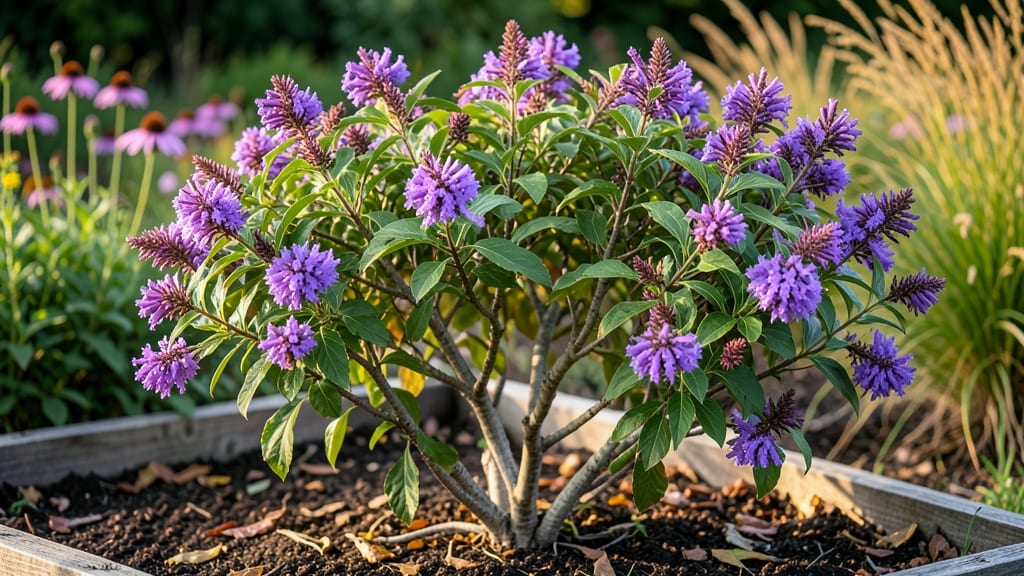
Butterfly bushes do come back yearly as hardy perennials in USDA zones 5–9, though cold damage may occur in colder regions. Proper pruning, mulching, and winter protection ensure their regrowth each spring for seasonal pollinator support.
These shrubs rely on their deep root systems to survive winter dormancy, which is why they bounce back even after above-ground stems die in frost. 🌿 In my experience, the key to consistent regrowth lies in understanding your specific zone's winter patterns—some northern cultivars handle 10°F dips better than others.
For example, 'Lo and Behold' series often outperforms standard types in zone 5 gardens when given extra mulch and protection.
What sets butterfly bushes apart is their ability to regenerate from the roots even after severe pruning. This makes them incredibly resilient for gardeners who want year-round pollinator support without annual replanting.
The trade-off? Their first flush of blooms may appear slightly later than annuals, but the long-term benefits for butterflies and hummingbirds make it worth the wait.
💡 In This Article
- Butterfly Bush Cold Hardiness by USDA Zone
- Winterizing Butterfly Bushes for Reliable Regrowth
Butterfly bush cold hardiness by USDA zone
The perennial nature of butterfly bushes (Buddleia spp.) stems from their deep, woody root systems that can survive temperatures down to -10°F in ideal conditions.
These roots act like a biological battery, storing energy and nutrients throughout winter dormancy. 🌱 What's fascinating is how the root crown—the transition zone between roots and stems—contains dormant buds that can regenerate new growth once temperatures rise.
This explains why you'll often see new shoots emerging from the base even after stems have been killed by frost.
Zone 5-7 gardens experience the most dramatic seasonal shifts, where butterfly bushes enter a state called "cold acclimation." During fall, the plant converts sugars into antifreeze-like compounds that protect cellular structures from ice crystal formation. Once winter arrives, the above-ground stems typically die back completely, but the roots remain viable.
In zone 8-9 regions, the process is gentler—some cultivars maintain evergreen foliage or only experience partial dieback, allowing for earlier spring blooms.
The real science lies in the plant's ability to balance hardiness with bloom production. More cold-tolerant cultivars like 'Missouri Sunshine' invest energy into root development rather than floral production during their first year, which is why they often bloom more prolifically in subsequent years.
This trade-off explains why some gardeners in zone 5 report less vigorous blooming until the plant establishes its root system fully—typically after 2-3 growing seasons.
What most gardeners overlook is how soil temperature affects regrowth timing. Even in zone 5, if the ground stays frozen beyond April 15th, the root buds may remain dormant longer.
This is why mulching depth matters—adding 4-6 inches of organic mulch can raise soil temperatures by 5-10°F during critical thaw periods, accelerating spring emergence by 1-2 weeks.
Cultivar selection makes a surprising difference in cold performance. For example, the 'Lo and Behold' series was specifically bred to handle -20°F temperatures when properly winterized, while standard types may struggle below 0°F.
The key difference lies in their genetic predisposition for thicker root crowns and more robust bud protection structures. 🌿 This explains why some butterfly bushes in zone 5 gardens thrive while others fail—it's not just about the zone number but the specific plant's cold adaptation traits.
Here's what's actually happening at the cellular level: During winter dormancy, butterfly bushes enter a state where their metabolic processes slow dramatically. Special proteins called "late embryogenesis abundant" (LEA) proteins accumulate in the cells, acting like molecular shields that prevent ice formation.
Meanwhile, the plant's vascular system redirects water away from critical growth centers, effectively dehydrating the stems to prevent frost damage while keeping the roots hydrated through capillary action.