
Pruning
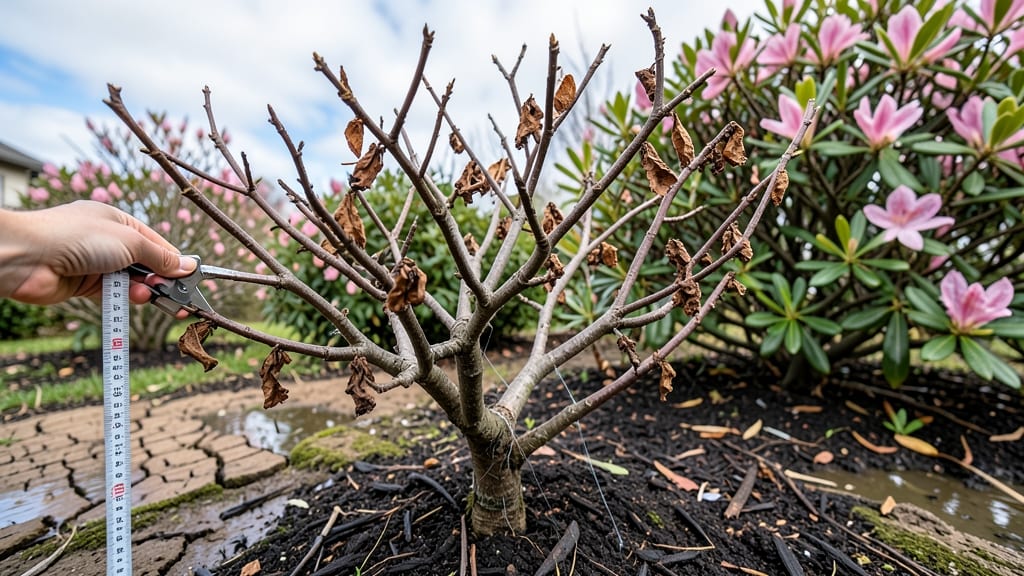
That dead azalea bush might still have a fighting chance—even if it looks like a winter casualty. ✂️ I’ve nursed back three azaleas that looked hopeless, and the key was cutting out the dead wood first to see what’s really alive underneath.
Most "dead" azaleas are just dormant or suffering from one of three issues: root rot, fungal blight, or drought stress. The good news? You can test for life with a simple scratch test—if the wood underneath is green, it’s still worth saving.
If it’s brown all the way through, we’re pruning to the ground and hoping for new shoots. By the end of spring, you’ll see new growth if the roots are healthy. The trick is 3 clean cuts: remove all dead branches, thin crowded growth, and shape for airflow.
I’ll walk you through how to tell the difference between salvageable and hopeless—and what to do next. This works for both evergreen and deciduous azaleas, whether your bush is young or decades old. Let’s get to it!
Root Causes Of Azalea Decline
Azaleas are tough, vibrant shrubs—but even the hardiest can succumb to stress, disease, or neglect. Understanding why your azalea bush is struggling is the first step to bringing it back from the brink.
Below, we break down the most common culprits, backed by science, so you can diagnose the issue and take action.
Azaleas thrive in acidic, well-draining soil, but too much water—especially in heavy clay or compacted ground—can suffocate roots. When soil stays soggy, oxygen can’t reach the roots, leading to:
- Root rot (Phytophthora): A fungal infection that gums up roots, cutting off nutrient flow. Symptoms: Yellowing leaves, wilting despite wet soil, and a foul, mushy smell at the base.
- Nutrient leaching: Excess water washes away essential minerals like nitrogen and phosphorus, starving the plant.
- Chlorosis: Iron and manganese deficiencies (common in wet, alkaline soils) turn leaves pale yellow.
Actionable fix: Test your soil’s pH (ideal: 4.5–6.0) and amend with organic matter like pine bark or peat moss. Ensure pots have drainage holes, and water only when the top 2 inches of soil are dry.
While azaleas dislike soggy roots, they also hate drought. Native to humid forests, these shrubs need consistent moisture. When deprived:
- Leaf scorch: Edges turn brown and crispy as cells dehydrate.
- Stunted growth: Buds fail to open, or new growth collapses.
- Root dieback: Fine feeder roots shrink, reducing the plant’s ability to absorb water.
Actionable fix: Mulch with 3–4 inches of organic mulch (wood chips, pine straw) to retain moisture. Water deeply 2–3 times per week in dry spells, aiming for 1–1.5 inches per week. Drip irrigation or soaker hoses work best to avoid leaf burn.
Azaleas are partial-shade lovers—too much direct sun (especially in hot climates) causes:
- Sun scald: Leaves bleach white or turn brown in full sun, especially on the west-facing side.
- Heat shock: Buds drop before opening, or flowers wilt mid-bloom.
- Transpiration overload: Leaves lose more water than roots can replace, leading to wilting.
Actionable fix:
- Provide morning sun + afternoon shade (e.g., under tall trees or a lattice screen).
- In hot zones, use shade cloth (30–50%) during peak afternoon heat.
- Group azaleas with hostas, ferns, or hydrangeas to create a natural microclimate.
Azaleas are magnets for fungi and insects, which weaken the plant over time. Common offenders:
| Problem | Symptoms | Cause |
|---|---|---|
| Azalea Lace Bug | Silvery stippling on leaves, black fecal spots, leaf drop | Sap-sucking insects that multiply in dry heat |
| Powdery Mildew | White, powdery coating on leaves; stunted growth | Fungal spores thrive in humid, low-light conditions |
| Root-Knot Nematodes | Yellowing leaves, poor growth, galls on roots | Microscopic worms that feed on root tissues |
| Bacterial Blight | Dark, water-soaked spots on leaves; oozing bacteria | Spread by splashing water or infected pruners |
Actionable fix:
- Lace bugs: Spray with neem oil or insecticidal soap. Introduce ladybugs as natural predators.
- Powdery mildew: Prune infected leaves, improve airflow, and apply baking soda spray (1 tsp baking soda + 1 quart water + drop of soap).
- Nematodes: Solarize soil (cover with clear plastic for 4–6 weeks) or plant marigolds nearby to deter them.
- Bacterial blight: Remove infected parts immediately and sterilize tools with 70% rubbing alcohol.
Azaleas are heavy feeders but need the right nutrients. Common deficiencies:
- Nitrogen (N) deficiency: Pale yellow leaves, poor growth → Fix: Apply acid-loving fertilizer (e.g., 10-10-10 or cottonseed meal).
- Phosphorus (P) deficiency: Dark green leaves, no flowers → Fix: Use bone meal or superphosphate.
- Magnesium (Mg) deficiency: Yellowing between leaf veins → Fix: Sprinkle Epsom salt (1 tbsp per gallon of water).
- Alkaline soil (pH > 7.0): Blocks iron/manganese uptake → Fix: Add sulfur or peat moss to lower pH.
Pro tip: 🌡️ Test your soil every 2–3 years—DIY kits (like LaMotte) are affordable and accurate.
Most "dead" azaleas aren’t beyond saving—they’re just screaming for help. Once you pinpoint the cause, targeted fixes (like pruning, soil amendments, or pest control) can revive even the most wilted shrub. Stay tuned for our next section on revival pruning techniques!
Revive Your Azalea With These Fixes
If your azalea bush looks more like a sad, brown skeleton than a vibrant spring bloomer, don’t toss it just yet! With the right care, you can coax it back to life.
Below are targeted solutions for the most common causes of a struggling azalea, along with prevention tips to keep it thriving long-term.
Signs: Yellowing leaves, soggy soil, root rot (mushy, black roots).
How to Fix It:
- 🔥 Stop Watering Immediately – Let the soil dry out completely before watering again.
- 🍳 Check the Drainage – If your azalea is in a pot, ensure it has drainage holes. For in-ground plants, amend the soil with perlite or sand to improve aeration.
- 👨🍳 Repot if Needed – If root rot is severe, trim away mushy roots with sterilized pruners, then repot in fresh, well-draining soil.
- 🥘 Water Deeply but Less Often – Azaleas prefer moist (not soggy) soil. Water only when the top 1-2 inches are dry.
💡 Prevention Tip: Use a soil moisture meter to avoid guesswork. Mulch around the base (but not touching the trunk) to retain moisture without suffocating roots.
Signs: Crispy, brown leaf edges, wilting, dry soil.
How to Fix It:
- 🔥 Water Deeply – Soak the root zone until water drains out the bottom (for potted azaleas) or seeps 6 inches into the ground.
- 🍳 Mulch to Retain Moisture – Apply 2-3 inches of organic mulch (pine bark or shredded leaves) to lock in moisture.
- 👨🍳 Adjust Your Watering Schedule – Azaleas need 1-1.5 inches of water per week, more in extreme heat.
- 🥘 Move to Partial Shade – If your azalea is in full sun, it may be drying out faster. Relocate it to morning sun + afternoon shade for optimal growth.
💡 Prevention Tip: Group azaleas with other thirsty plants (like hydrangeas) to create a microclimate that retains humidity.
Signs: White powdery spots (powdery mildew), black sooty mold, holes in leaves (pests like lace bugs or scale).
How to Fix It:
- 🔥 Prune Infected Branches – Cut off any blackened, spotted, or wilted growth with sterilized pruners (wipe with rubbing alcohol between cuts).
- 🍳 Apply Fungicide – Spray with a copper-based or neem oil fungicide (follow label instructions). For pests, use insecticidal soap or horticultural oil.
- 👨🍳 Improve Air Circulation – Thin out dense foliage to reduce humidity buildup (a fungal favorite).
- 🥘 Water at the Base – Avoid wetting leaves, which can spread diseases.
💡 Prevention Tip: Preventive sprays in early spring (before blooms) can stop fungal spores in their tracks. Also, remove fallen leaves to eliminate hiding spots for pests.
Signs: Yellowing leaves (chlorosis), stunted growth, poor flowering.
How to Fix It:
- 🔥 Test Your Soil pH – Azaleas love acidic soil (pH 4.5–6.0). Use a soil test kit to check.
- 🍳 Amend the Soil – If pH is too high, mix in peat moss or sulfur (follow package rates). For potted azaleas, use acid-loving plant fertilizer.
- 👨🍳 Feed with Azalea-Specific Fertilizer – Use a slow-release, acidic fertilizer (like 8-3-9 or 10-6-8) in early spring and mid-summer.
- 🥘 Avoid Lime or Wood Ash – These raise pH, making nutrients unavailable.
💡 Prevention Tip: Evergreen mulch (like pine straw) naturally keeps soil acidic over time.
Signs: Bare stems, no new growth, weak blooms.
How to Fix It:
- 🔥 Prune at the Right Time – Wait until after flowering (late spring/early summer) to avoid cutting off next year’s buds.
- 🍳 Shape Lightly – Remove only dead, crossing, or overcrowded branches. Use clean, sharp pruners to make 45-degree cuts just above a leaf node.
- 👨🍳 Avoid Shearing – Azaleas bloom on old wood, so never trim into a ball shape—this encourages leggy growth.
- 🥘 Reward with Fertilizer – After pruning, give it a light feeding to encourage new growth.
💡 Prevention Tip: Label your pruners for azaleas to avoid cross-contamination with diseased plants.
If your azalea is beyond saving, don’t mourn—propagate it!
- 🔥 Take 4-6 inch cuttings from healthy stems in early summer.
- 🍳 Dip in rooting hormone and plant in moist perlite or sand.
- 👨🍳 Keep humid (use a plastic bag or propagator) and out of direct sun.
- 🥘 In 4-8 weeks, you’ll have new baby azaleas to replant!
💡 Prevention Tip: Healthy azaleas = happy azaleas! Regular checks and seasonal pruning keep them blooming for decades.
Frequently asked questions
How can I tell if my azalea is truly dead or just dormant?
Perform the scratch test: Scrape a small section of bark on a branch. If the wood underneath is green, the plant is still alive! If it's completely brown, the branch is dead. Evergreen azaleas may look dormant in winter, but they'll show new growth in spring if roots are healthy.
Can I save an azalea that's completely brown and leafless?
It depends! If the roots are still alive (test by gently tugging - resistance means roots are intact), prune back all dead branches and fertilize with acid-loving plant food. Water consistently and watch for new shoots in 4-6 weeks. If no growth appears by late spring, the plant likely won't recover.
What's the fastest way to revive a struggling azalea?
Start with 3 key fixes:
- Prune all dead wood,
- Adjust watering (deep soaks 2-3 times/week), and
- Apply Epsom salt solution (1 tbsp/gallon) for magnesium. For potted azaleas, ensure proper drainage immediately - this often solves 70% of problems.
Should I remove my azalea if it's been dead for a year?
Only if you've tried everything! First dig carefully to check roots - healthy roots will have white tips. If roots are completely black/mushy, remove it. Otherwise, try replanting in fresh acidic soil with 50% perlite and watch for new growth. Some azaleas revive even after years of neglect!
Can I use regular garden soil to replant my azalea?
No - azaleas need acidic, well-draining soil. Mix 2 parts peat moss or pine bark with 1 part garden soil and add perlite for drainage. Test pH first (ideal: 4.5-6.0) - regular soil is usually too alkaline and will block nutrient uptake.