
Pruning
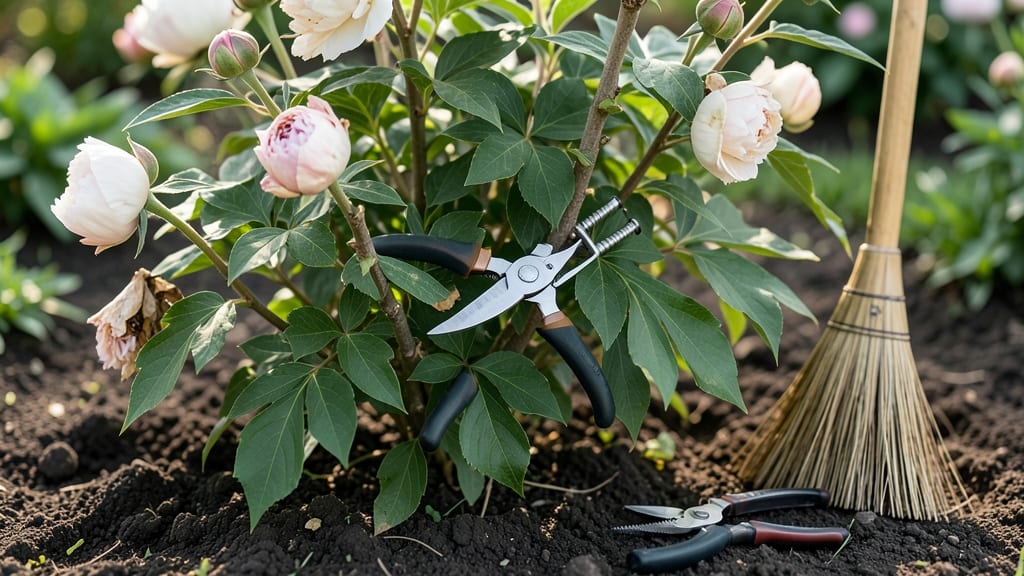
Cutting back peony bushes in late winter isn’t just maintenance—it’s the secret to dramatic blooms next spring. ✂️ I’ve watched my own peonies go from sparse, leggy stems to lush, flower-laden bushes just by timing the cut right, and the difference is night and day.
The key? Waiting until after the first hard frost when the plant has fully gone dormant, but before new growth starts in early spring.
You’ll need just three things: clean, sharp pruners (dull blades crush stems), a bucket for clippings, and a pair of gloves—those thorns don’t mess around.
The goal is simple: cut back last year’s stems to about 2 inches above the ground, making clean cuts at a 45-degree angle to prevent water pooling. This might sound brutal, but peonies are tougher than they look, and they’ll reward you with stronger roots and bigger blooms.
What you’ll end up with is a bush that looks like it’s been professionally manicured, with fresh new shoots emerging within weeks. The foliage stays vibrant, the flowers arrive earlier, and you’ll notice fewer floppy stems flopping over by summer.
It’s the one pruning job that actually makes your garden look more intentional—and less like it’s fighting for its life.
Works for both herbaceous and tree peonies, though tree peonies need slightly less aggressive cutting. The best part? You only need to do this once a year, and it takes less than 20 minutes per bush. Now’s the time to grab those shears before the growing season kicks in!
📚 In This Guide
- What you need
- Instructions
- Tips and common mistakes
- Wrapping up and next steps
What you need
- ● Bypass pruners (1 pair) – Choose sharp, high-quality pruners with a 4- to 6-inch blade for clean cuts.
- ● Loppers (1 pair) – Ideal for thicker stems (e.g., 1- to 2-inch diameter), with a longer handle (24+ inches) for leverage.
- ● Garden gloves (1 pair) – Opt for cut-resistant, breathable fabric (e.g., leather or synthetic mesh) to protect your hands.
- ● Disinfectant (e.g., rubbing alcohol or 10% bleach solution) – A small bottle to sterilize tools between cuts and prevent disease spread.
- ● Heavy-duty trash bags or compost bin – For removing pruned stems and debris. Aim for at least 3–5 gallons of capacity per bush.
- ○ Garden twine or zip ties (optional but helpful) – To tie back stems if staking is needed post-pruning.
- ● Hedge shears – For shaping very large or overgrown peony foliage (if pruning in early spring).
- ● Knee pads or a small stool – If your peonies are ground-level or hard to reach.
- ● Plant marker or stakes – To label bushes if you have multiple varieties.
- ● Mulch (e.g., shredded bark or straw) – To protect the crown after pruning (apply 2–3 inches).
Instructions for cutting back peony bushes
Here's how to revive your peonies with confidence—timing and technique make all the difference.
✂️ Step 1: Wait for the Right Moment
Cut back peonies in late winter, after the ground freezes but before new growth starts. I aim for February to early March in most climates, when the soil is still hard. You'll know it's time when the foliage looks completely dead and the stems feel brittle—snapping them cleanly is your cue.
Never cut back in fall or early winter. The plant needs the dead stems to protect the buds from freezing temperatures. If you cut too early, you risk exposing the crown to cold damage, which can weaken next year's blooms.
✂️ Step 2: Use Clean, Sharp Pruners
Grab your sterilized pruners (wipe blades with rubbing alcohol) and cut the stems back to 2-3 inches above the ground. I like to angle the cuts slightly to prevent water from pooling on the crown. This keeps the plant healthy and reduces rot risk.
Don't leave stubs taller than 3 inches—they can harbor pests or disease over winter. If your peonies are particularly woody, you might need to cut through a few times to clear the stems completely. Just work slowly to avoid damaging the crown.
✂️ Step 3: Clear Away Debris and Mulch
After pruning, gather all the cuttings and remove them from the area. Peony stems can harbor fungal diseases, so don't leave them near the plant. Once the area is clear, apply a 2-3 inch layer of mulch (like shredded bark or straw) around the base to insulate the crown.
This mulch layer helps regulate soil temperature and retains moisture, which is especially important in dry climates. Just keep it a few inches away from the stems to avoid smothering the plant. You'll see fresh, vibrant growth emerging in early spring.
🌱 Step 4: Watch for New Growth
In early spring, when the soil warms to 50°F, you'll notice new shoots pushing through the ground. This is your signal that the plant is waking up. Avoid disturbing the area—peonies are sensitive to root disruption, and too much activity can stress them.
If you see any yellowing leaves or mold, it might mean the plant is struggling. In that case, reduce watering slightly and ensure the area has good drainage. Healthy peonies will reward you with bold, lush blooms by mid-spring.
☀️ Step 5: Feed and Water for Next Season
Once the plant is actively growing, apply a balanced fertilizer (like 10-10-10) in early spring to encourage strong root and flower development. Water deeply once a week, ensuring the soil stays moist but not soggy. Peonies are drought-tolerant once established, but consistent moisture helps them thrive.
Here's the thing—peonies are low-maintenance once you get the pruning right. With this late-winter cutback, you're setting the stage for healthier stems and bigger blooms next season. Just be patient, and your peonies will thank you with stunning flowers.
Tips & tricks for perfect late-winter peony pruning
Timing and technique are everything when it comes to reviving your peonies—here's how to avoid common mistakes and set your plants up for success.
Timing Secret: The February to early March window is critical because it balances two key factors: the ground must be frozen hard enough to protect the crown, but not so cold that the stems become brittle and difficult to cut cleanly. I've learned this the hard way—cutting too early in winter leaves the crown vulnerable to frost heave, while waiting too late risks new growth being damaged by late frosts. Look for that perfect moment when stems snap easily but the soil is still frozen solid.
The Technique That Changed Everything: When you're cutting those stems back to 2-3 inches in Step 2, make those cuts at a slight angle—about 45 degrees. This simple angle prevents water from pooling on the crown, which drastically reduces rot risk. I used to make straight cuts and noticed more crown rot issues in my peonies. Also, if you encounter particularly thick stems, don't force it—make multiple cuts if needed, but work slowly to avoid damaging the delicate crown tissue underneath.
Mulch Matters: That 2-3 inch layer of mulch in Step 3 isn't just decoration—it's insulation that helps regulate soil temperature and moisture. For extra protection in cold climates, consider adding a thin layer of straw on top of your regular mulch. This creates an additional insulating barrier that can make all the difference in harsh winters. Just remember to keep it a few inches away from the stems to prevent smothering.
Spring Signals: When you see those first green shoots pushing through in early spring (around 50°F soil temperature), resist the urge to tidy up! Those new shoots are your plant's way of telling you it's ready to grow. Disturbing them now can set back your blooming schedule. Instead, let nature take its course—your patience will be rewarded with healthier stems and bigger blooms next season.
Pro Tips for Cutting Back Peony Bushes
- Timing and technique are everything when it comes to reviving your peonies—here's how to avoid common mistakes and set your plants up for success.
- I've learned this the hard way—cutting too early in winter leaves the crown vulnerable to frost heave, while waiting too late risks new growth being damaged by late frosts.
- The Technique That Changed Everything: When you're cutting those stems back to 2-3 inches in Step 2, make those cuts at a slight angle—about 45 degrees.
Frequently asked questions
Got questions about giving your peony bushes the perfect late-winter haircut? You’re not alone! Here are the answers to the most common concerns—because even pros need a refresher now and then.
When is the absolute best time to cut back peony bushes?
The ideal window is late winter (after the worst frost but before new growth starts), typically February to early March in most U.S. zones. Cutting too early risks exposing tender stems to cold damage, while waiting too long may encourage pests or fungal issues. Pro tip: Wait until soil is workable—squeeze a handful; if it crumbles, you’re good to go!
Do I need to cut peony bushes all the way to the ground?
Yes! Unlike some perennials, peonies thrive when pruned down to 2–3 inches above the soil. This removes dead foliage, prevents disease, and directs energy into next year’s showstopper blooms. Never leave stubs—it’s a surefire way to invite rot or pests.
What if I missed the late-winter window? Can I still prune?
You can prune peonies anytime after dormancy (when no leaves or buds are visible) up until early spring. Just avoid cutting after buds form—you’ll sacrifice blooms. If you’re late, focus on removing dead stems first, then trim the rest later.
My peony leaves look mushy after pruning. Did I kill my bush?
Not necessarily! Mushy leaves often signal fungal issues (like botrytis) or overwatering. To troubleshoot:
- Improve airflow by spacing plants 3–4 feet apart.
- Avoid overhead watering—use drip irrigation instead.
- Remove all debris around the base to prevent spores.
- Apply neem oil if fungus appears.
Can I divide my peony bush while I’m pruning?
Yes, but only every 3–5 years—peonies resent frequent disturbance. The best time to divide is late summer or early fall, but you can do it in late winter if needed. Dig up the clump, separate crowns with 3–5 eyes each, and replant immediately. Warning: Peonies take 2–3 years to bloom again after dividing!
What if my peony doesn’t bloom after pruning?
Lack of blooms usually means one of these:
- Too much shade—peonies need 6+ hours of sun.
- Over-fertilizing—they prefer low-nitrogen soil.
- Improper pruning—cutting above the buds (eyes) kills potential blooms.
- Age—young plants (under 3 years) focus on roots, not flowers.
Wrapping up and next steps
Cutting back your peony bushes in late winter isn’t just a chore—it’s the secret to showstopping blooms next season!
By following the right steps, you’ll encourage healthier growth, prevent disease, and give your garden a stunning edge. Your effort today will pay off with vibrant, lush peonies that steal the show.
Ready to transform your garden? Grab your pruners and get started! If you’re new to pruning, take it step by step—confidence grows with practice.
For extra peace of mind, snap a few photos of your progress or jot down notes for next year. Happy pruning, and here’s to a garden bursting with beauty! 🌸✨