
Pruning
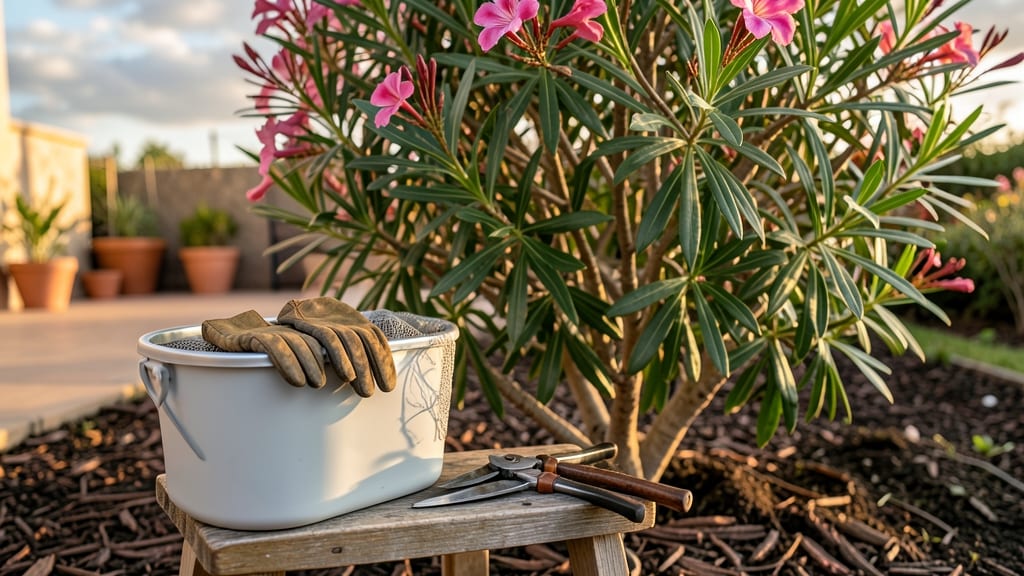
Cutting back oleander bushes at the right time could make them bloom nonstop all season—if you do it correctly. ✂️ I’ve spent years perfecting the timing and technique to keep my oleanders lush and flowering, and the secret isn’t what you’d expect. Most gardeners over-prune, leaving bare stems and stunted growth, but the real trick is precision: cutting back just enough to encourage new blooms without sacrificing winter hardiness.
The best time to prune is right after flowering, when you can see spent blooms but before the next flush of flowers appears. You’ll need sharp bypass pruners, rubbing alcohol for sterilizing cuts, and a clear day to avoid fungal issues.
Start by removing dead or crossing branches first—this opens up the bush to sunlight and air, which is where the magic happens for those vibrant pink, red, or white blooms.
After the initial cuts, focus on shaping the bush by trimming back the tips of branches to encourage bushier growth. Oleanders respond well to this technique, and within weeks, you’ll see fresh new shoots pushing out from the pruned areas.
The result? A fuller, more productive plant that keeps blooming from spring through fall, even in hot climates where other shrubs struggle.
Fair warning: oleanders are toxic, so wear gloves and avoid inhaling dust from the leaves. Once you’ve pruned, give the bush a light feeding with a balanced fertilizer to support its recovery.
This method works for both container-grown oleanders and those planted in the ground, so you can apply it no matter where your bushes live.
📚 In This Guide
- What you need
- Instructions
- Tips and common mistakes
- Wrapping up and next steps
What you need
- ● Pruning shears: Bypass pruners (for clean cuts on small stems) or anvil pruners (for thicker branches). Choose sharp, stainless-steel blades (4–6" blades for precision).
- ● Loppers: Bypass loppers with 18–24" handles for thicker branches (½–1½" diameter). Look for ratcheting or bypass designs for less crushing.
- ● Pruning saw: Curved-tooth pruning saw for branches over 1½" thick. A 7–10" blade works best.
- ● Heavy-duty gloves: Leather or cut-resistant gloves (oleander sap can irritate skin). Opt for long-cuffed for extra protection.
- ● Safety glasses: ANSI-rated to shield eyes from debris.
- ● Disinfectant (70% isopropyl alcohol or bleach solution): 1 part bleach to 9 parts water to sterilize tools between cuts (prevents disease spread).
- ● Trash bags or bucket: For collecting clippings (oleander is toxic—keep away from pets/kids!).
- ● Step stool or ladder: Sturdy, non-slip (3–4 ft tall) for reaching higher branches. Avoid extension ladders for small bushes.
- ● Hand pruners with ratchet: Reduces hand fatigue for long pruning sessions.
- ● Pole pruner: Extends reach for tall, unruly bushes (10–12 ft poles).
- ● Sharpener: File or electric sharpener to maintain tool edges between uses.
- ● Plant food (balanced fertilizer): 10-10-10 or 20-20-20 (apply post-pruning for a growth boost).
- ● Mulch: Organic mulch (wood chips, pine straw) to retain moisture and suppress weeds.
- ○ Pruning sealant: Optional for large cuts (only if your oleander is non-toxic; most are toxic, so skip this!).
How to prune oleander for continuous, lush blooms
Here's my go-to method for keeping oleanders flowering like clockwork—no guesswork, just results.
✂️ Step 1: Time Your Pruning for Maximum Impact
Prune oleanders in early spring right after the last frost date in your zone. This timing gives new growth time to harden before summer heat. I always check my local frost calendar because pruning too early risks cold damage to fresh cuts. Oleanders bloom on old wood, so avoid cutting back after flowering unless you want to sacrifice next year's blooms.
If you missed spring, you can do a light shaping cut in late summer—just avoid heavy pruning then, as it may reduce fall blooms. Watch for new growth to appear in 2-3 weeks after pruning; this confirms you've timed it right.
✂️ Step 2: Deadhead Spent Blooms for Nonstop Flowers
Start by removing faded flower clusters with clean, sharp pruners. Cut just above the first set of healthy leaves below the bloom. I like to do this every 1-2 weeks throughout the blooming season—it keeps the plant focused on producing new flowers instead of seed pods. Oleanders are heavy bloomers, so you'll be doing this often.
Don't cut into old wood—you'll see where last year's growth ends and new growth begins. The goal is to encourage more blooms from the current season's growth. If you see leggy stems with no flowers, trim those back by one-third to promote bushier growth.
✂️ Step 3: Shape the Bush for Airflow and Light
Step back and look at your oleander's shape. You want an open, rounded form that lets air circulate freely—this prevents fungal diseases. Start by trimming the outer branches first, cutting back by one-third to open up the center. Avoid cutting into the center too much, or you'll create a bare spot that never flowers.
Use your pruners at a 45-degree angle just above a leaf node or bud. This encourages new growth to sprout from that spot. If a branch is completely bare or dead, remove it entirely at the base. You'll know you've done it right when you see fresh, green growth appearing within 3-4 weeks.
💧 Step 4: Post-Pruning Care for Healthy Recovery
Water deeply right after pruning to help the plant recover. Oleanders are drought-tolerant once established, but fresh cuts need moisture to heal. Give the soil a good soak until water runs out the drainage holes, then let it dry slightly before watering again. Avoid getting water on the fresh cuts—it can invite disease.
Apply a balanced, slow-release fertilizer (like 10-10-10) a few weeks after pruning to support new growth. I like to mix it into the top 2 inches of soil around the base. You'll see new leaves emerging within 2-3 weeks, and by late spring, your oleander should be covered in buds again.
⏰ Step 5: Maintain Through the Seasons
After the initial pruning, keep an eye out for any branches that grow too long or leggy. Trim these back by one-third in early summer to maintain shape and encourage more blooms. Oleanders are forgiving, so don't stress about perfect pruning—just keep the shape open and remove dead or diseased branches as needed.
In fall, do a final light pruning to remove any remaining spent blooms or weak growth. This keeps the plant tidy and prepares it for winter. Oleanders are evergreen in warm climates, but in colder areas, they may drop leaves—just prune back any dead growth in early spring.
Tips & tricks for pruning oleander bushes
These simple tricks will help you keep your oleanders blooming beautifully all season long.
Timing Secret: The early spring timing in Step 1 is critical because oleanders bloom on old wood. If you prune after flowering, you're cutting off next year's blooms before they even form. I've learned this the hard way—my first oleander looked sparse the next year after I pruned too late! Watch for new growth to appear within 2-3 weeks after pruning to confirm you've timed it right.
Deadheading Technique: When deadheading in Step 2, always cut just above a set of healthy leaves below the faded bloom. This is where new growth will emerge. I like to use clean, sharp pruners and make the cut at a slight angle to prevent water from pooling on the cut surface, which can lead to disease. If you see leggy stems without flowers, trim them back by one-third to encourage bushier growth.
Shape and Airflow: The open, rounded shape you create in Step 3 is essential for airflow. I recommend starting with the outer branches to open up the center—this prevents fungal diseases that thrive in dense, humid conditions. Use your pruners at a 45-degree angle just above a leaf node to encourage new growth from that spot. You'll know you're doing it right when you see fresh green growth appearing within 3-4 weeks.
Post-Pruning Care: After pruning, water deeply to help the plant recover, but avoid getting water on fresh cuts. I've found that applying a balanced, slow-release fertilizer like 10-10-10 a few weeks after pruning gives the plant the nutrients it needs to bounce back. You'll notice new leaves emerging within 2-3 weeks, and by late spring, your oleander should be covered in buds again.
Pro Tips for Cutting Back Oleander Bushes
- These simple tricks will help you keep your oleanders blooming beautifully all season long.
- Timing Secret: The early spring timing in Step 1 is critical because oleanders bloom on old wood.
- Deadheading Technique: When deadheading in Step 2, always cut just above a set of healthy leaves below the faded bloom.
Frequently asked questions
Got questions about trimming your oleander bushes like a pro? Here are answers to the most common concerns—so you can keep those vibrant blooms coming all year!
When is the best time to cut back oleander bushes?
Prune oleander after flowering (late spring to early summer) to encourage new growth and blooms. Light trimming can also happen in early spring to shape the plant. Avoid heavy cuts in fall or winter—oleander is sensitive to cold and needs time to harden off.
How much can I trim oleander without harming it?
You can safely remove up to 1/3 of the plant’s height in one session. For shaping, cut just above a leaf node (the bump where leaves grow) to promote bushier growth. Avoid over-pruning—oleander recovers slowly, and drastic cuts may stress the plant.
What if my oleander isn’t blooming after pruning?
Oleander needs full sun (6+ hours/day) and well-draining soil to bloom. If it’s still struggling, check for:
- Underwatering (drought-stressed plants skip flowers)
- Over-fertilizing (too much nitrogen = leafy growth, no blooms)
- Pests/disease (yellow leaves or spots? Treat early!)
Is oleander toxic? Should I wear gloves when pruning?
Yes! All parts of oleander are highly toxic if ingested or inhaled (even smoke from burning clippings). Wear long sleeves, gloves, and a mask when cutting. Avoid pruning on windy days to prevent sap from spreading. Wash tools and hands thoroughly afterward.
Are there non-toxic alternatives to oleander for my garden?
If you’re concerned about toxicity, consider these low-maintenance, blooming shrubs:
Plant
Bloom Season
Sun Needs
Butterfly Bush (Buddleia)
Summer–Fall
Full sun
Lantana
Spring–Frost
Full sun to part shade
Abelia
Spring–Fall
Part sun
Wrapping up and next steps
Cutting back oleander bushes doesn’t have to be intimidating—it’s all about timing, technique, and a little patience. With the right tools, a sharp eye for deadheading, and seasonal trimming, you’ll keep your oleanders thriving and blooming beautifully year after year. 🌸
Ready to take the next step? Grab your pruners and start shaping those bushes with confidence! Your garden (and future blooms) will thank you.