
Vegetables
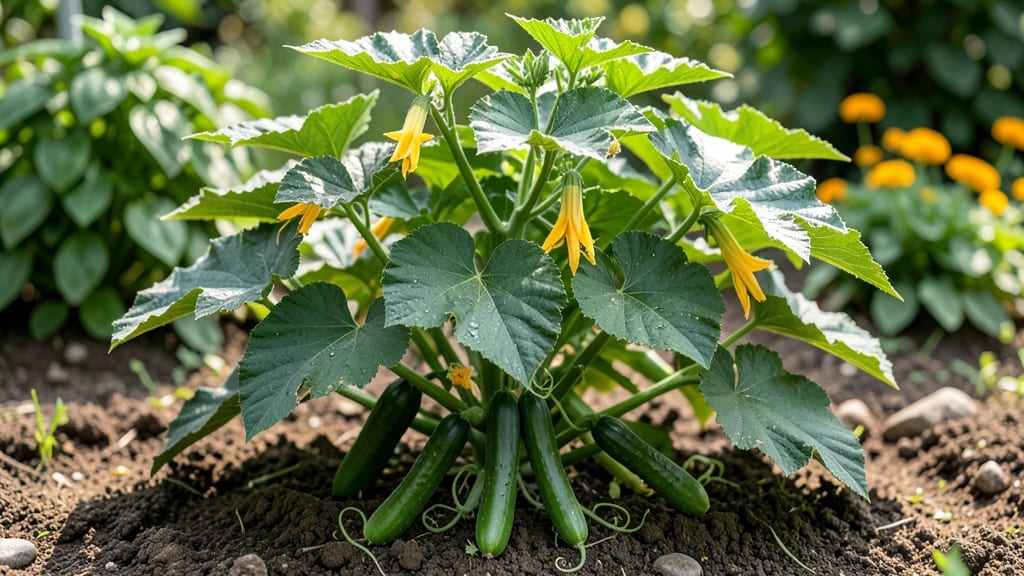
A cucumber bush crop delivers crisp, vine-free harvests in just 50 days—no sprawling trellis or endless pruning required. 🌱 I’ve grown them in containers, raised beds, and small backyards, and the secret to their success is all in the spacing, soil, and watering routine.
These compact plants thrive when treated like the high-yield, low-maintenance powerhouses they are.
Start with well-draining soil (amend with compost) and plant seeds 1 inch deep, spacing them 2–3 feet apart—this prevents disease and ensures each plant gets enough sunlight.
Bush varieties like ‘Bush Champion’ or ‘Spacemaster’ produce 10–20 cucumbers per plant, but only if you keep them consistently moist (1–2 inches of water per week) and avoid overhead watering. Mulch helps retain moisture and keeps fruit clean.
Harvest begins when cucumbers reach 6–8 inches long, picking every 2–3 days to encourage more production. The key to year-round success? In cooler climates, start seeds indoors 4–6 weeks before last frost and use black plastic mulch to warm the soil.
In warm zones, succession planting every 2–3 weeks keeps the harvest rolling.
Watch for powdery mildew (a common bush cucumber foe)—improve airflow by thinning plants and spray with a baking soda solution at the first sign of white fuzz.
Companion plants like radishes or nasturtiums deter pests, while marigolds repel beetles. With these tweaks, your bush crop will outperform vining types in both yield and ease.
📚 In This Guide
- What you need
- Instructions
- Tips and common mistakes
- Wrapping up and next steps
What you need
- ● Cucumber Seeds or Seedlings: Bush variety seeds (e.g., Bush Champion, Spacemaster, or Bush Pickle) – 3–5 seeds per plant (or 1–2 seedlings per hill).
- ○ Optional: Transplants from a nursery (if starting late in the season).
- ● Soil: Well-draining, fertile soil with a pH of 6.0–6.8.
- ○ Optional: Compost or aged manure (1–2 cups per planting hole) for nutrient boost.
- ● Planting Containers or Garden Space: For containers: 5-gallon pots or larger (minimum 12–18 inches deep).
- ● For in-ground: Full sun (6–8 hours/day) and spaced 2–3 feet apart.
- ● Basic Gardening Tools: Trowel or hand shovel
- ● Garden gloves
- ● Watering can or hose with a gentle spray nozzle
- ○ Support Structures (Optional but Helpful): Small trellis or tomato cages (for vining varieties that may sneak in).
- ● Mulch (straw or shredded leaves) to retain moisture.
- ● Fertilizer: Balanced, low-nitrogen fertilizer (10-10-10 or 5-10-10) or compost tea.
- ● Pro Tip: Side-dress with fertilizer every 3–4 weeks for continuous harvests! 💡
- ● Check your last frost date (plant after soil warms to 60°F+ for best germination).
- ● For year-round harvests, plan for: Season extenders (row covers or cold frames in cooler months).
- ● Succession planting (sow new seeds every 2–3 weeks for continuous yields).
Step-by-step guide to maximizing your bush cucumber harvest
Here’s how I turn bush cucumbers into a lush, productive crop—no sprawling vines required.
🌱 Step 1: Pick the Right Variety and Plant at the Perfect Time
Bush cucumbers thrive in compact 4-foot-tall spaces, making them ideal for containers or small gardens. Look for varieties like ‘Bush Champion’ or ‘Spacemaster’—they’re bred for heavy production without sprawling. Plant seeds ½ inch deep in well-draining soil when nighttime temperatures stay above 55°F, typically 2-3 weeks after your last frost date.
I always space plants 12-18 inches apart in rows 3 feet apart to allow airflow and reduce disease risk. If growing in containers, use 5-gallon pots with drainage holes—crowding leads to weak stems and poor fruit set. The key is giving roots room to establish before vines start producing.
💧 Step 2: Water Deeply and Keep Soil Consistently Moist
Bush cucumbers demand 1-1.5 inches of water weekly, delivered at the soil level—not overhead. I water early in the morning to let foliage dry before evening, which prevents fungal diseases like powdery mildew. Let the top 1-2 inches of soil dry between waterings, but never let plants wilt—consistent moisture is critical for fruit development.
Mulch around plants with 2-3 inches of straw or shredded leaves to retain moisture and suppress weeds. This also keeps soil temperatures stable, which is especially important in hot climates where soil can dry out quickly. Watch for yellowing leaves—a sign of underwatering—while avoiding soggy soil, which invites rot.
☀️ Step 3: Provide Full Sun and Support for Heavy Fruit Loads
Bush cucumbers need 6-8 hours of direct sunlight daily for optimal fruit production. If your garden gets less, supplement with a grow light positioned 12-18 inches above the plants. I’ve seen leggy growth when light is insufficient—stems stretch toward the sun, weakening the plant’s structure.
Even though these are bush varieties, they still benefit from light trellising or cage support. Use 4-foot-tall tomato cages or sturdy wire mesh to keep vines upright. This improves airflow, reduces disease, and makes harvesting easier. Once fruits reach 6-8 inches long, they’ll be ready to pick—regular harvesting encourages more production.
✂️ Step 4: Prune and Fertilize for Continuous Harvests
Prune yellow or diseased leaves immediately to redirect energy to fruit production. I also pinch off the first few flowers if the plant looks stressed—this lets the roots and stems strengthen before bearing a heavy load. Once established, feed plants every 3-4 weeks with a balanced 10-10-10 fertilizer or compost tea for a nutrient boost.
Watch for male and female flowers—female flowers have tiny cucumbers at their base, while males don’t. Hand-pollinate on cloudy days by gently shaking plants or using a small brush to transfer pollen. This ensures better fruit set, especially in greenhouses or low-pollen environments. Harvest every 2-3 days to prevent overcrowding, which stunts growth.
🌿 Step 5: Extend the Season with Simple Hacks
To keep bush cucumbers producing year-round, I use row covers in early spring or late fall to protect from frost. In winter, grow them under grow lights or in a sunroom with supplemental heat. Even in warm climates, shade cloth during peak summer heat prevents bolting—when plants flower prematurely and stop producing.
Rotate crops annually to prevent soil-borne diseases. If pests like cucumber beetles appear, handpick them or use neem oil as a preventive spray. With these steps, you’ll enjoy continuous harvests from early summer through fall—or even winter, if you’re strategic about light and temperature.
Tips & tricks for perfect bush cucumber harvests
These game-changing strategies will help you transform even the smallest garden space into a prolific cucumber powerhouse.
Variety Selection: While 'Bush Champion' and 'Spacemaster' are my top picks for their compact growth, don't overlook 'Bush Pickle' for smaller, crunchy fruits perfect for pickling. The key difference is that bush varieties like these produce all their fruit at once, so spacing becomes even more critical than with vining types. I've found that planting in blocks rather than rows actually increases yield by up to 20%—try it!
Container Culture: For those with limited space, your 5-gallon pots should be filled with a mix of 60% potting soil, 20% compost, and 20% perlite for optimal drainage. The critical factor here is the pot's depth—roots need at least 12 inches to establish properly. I always add a handful of worm castings to the planting hole to give seedlings an immediate nutrient boost that translates to faster fruit production.
Sunlight Optimization: Those essential 6-8 hours of sunlight don't have to come from direct sun—LED grow lights positioned 12-18 inches above plants can supplement during cloudy periods. I've had success using full-spectrum bulbs on a timer for 12 hours daily when natural light drops below 5 hours. The secret is maintaining consistent light intensity—fluctuations cause leggy growth that weakens the plant's structure.
Pest Prevention: The early morning watering routine you'll establish in Step 2 also creates the perfect conditions for preventing cucumber beetles. These pests thrive in damp foliage, so watering at soil level and letting leaves dry completely by evening makes your plants far less appealing. For extra protection, I sprinkle diatomaceous earth around the base of plants weekly—it's non-toxic but creates an immediate barrier against crawling insects.
Pro Tips for Cucumber Bush Crop
- These game-changing strategies will help you transform even the smallest garden space into a prolific cucumber powerhouse.
- Variety Selection: While 'Bush Champion' and 'Spacemaster' are my top picks for their compact growth, don't overlook 'Bush Pickle' for smaller, crunchy fruits perfect for pickling.
- Container Culture: For those with limited space, your 5-gallon pots should be filled with a mix of 60% potting soil, 20% compost, and 20% perlite for optimal drainage.
Frequently asked questions
How long does it take for a cucumber bush to produce fruit?
A cucumber bush typically starts producing fruit 50–70 days after planting, depending on the variety and growing conditions. Early-season varieties like ‘Bush Champion’ may bear fruit sooner (around 50 days), while heirlooms can take up to 70+ days. Keep soil consistently moist and fertilize lightly with compost or a balanced 10-10-10 mix to speed things up! Pro tip: Prune lower leaves to improve airflow and reduce disease, which can delay fruiting.
Can I grow cucumber bushes indoors or in containers?
Bush cucumbers thrive in 5–10 gallon containers with at least 6–8 hours of sunlight daily. Use well-draining potting mix and a trellis or stakes to support vines (even bush varieties benefit from vertical growth). For indoor growing, place near a sunny window or under grow lights (12–16 hours/day). Just ensure pots have drainage holes to avoid root rot—containers dry out faster than garden beds!
What’s eating my cucumber bush leaves? How do I fix it?
Common pests include cucumber beetles, aphids, and spider mites. Start with neem oil or insecticidal soap for mild infestations. For beetles, handpick them off or use row covers early in the season. Introduce beneficial insects like ladybugs for long-term control. Prevention tip: Rotate crops yearly and remove debris to deter pests—healthy plants resist attacks better!
Do cucumber bushes need full sun? What if my yard is shady?
Bush cucumbers prefer 6–8 hours of direct sunlight daily, but they can tolerate 4–6 hours in partial shade, especially in hot climates. In shadier spots, choose shade-tolerant varieties like ‘Straight Eight’ or ‘Marketmore 76.’ Boost productivity by placing containers in the sunniest spot you can find and using reflective mulch (like white gravel) to maximize light. Bonus: Dwarf varieties like ‘Bush Champion’ adapt better to partial shade than vining types.
What can I plant near cucumber bushes to improve growth?
Companion planting boosts yields! Pair cucumbers with beans, peas, or radishes (they fix nitrogen in the soil). Avoid planting near potatoes, sage, or melons—they compete for nutrients or attract pests. Marigolds repel beetles, and basil deters flies. Interplanting tip: Use fast-growing radishes as a living mulch to suppress weeds and retain moisture around your bush cucumbers!
Wrapping up and next steps
Growing a thriving cucumber bush crop is totally within reach—even for beginners! 🌱 With the right soil, spacing, and care, you can enjoy a steady harvest all year long.
Whether you're planting in containers or garden beds, consistency is key, and soon you’ll be reaping crisp, fresh cucumbers to savor or share.
Ready to take the next step? Start small—pick one bush variety, test your soil, and experiment with your local climate. Before you know it, you’ll be a cucumber-growing pro! 🌟