
Vegetables
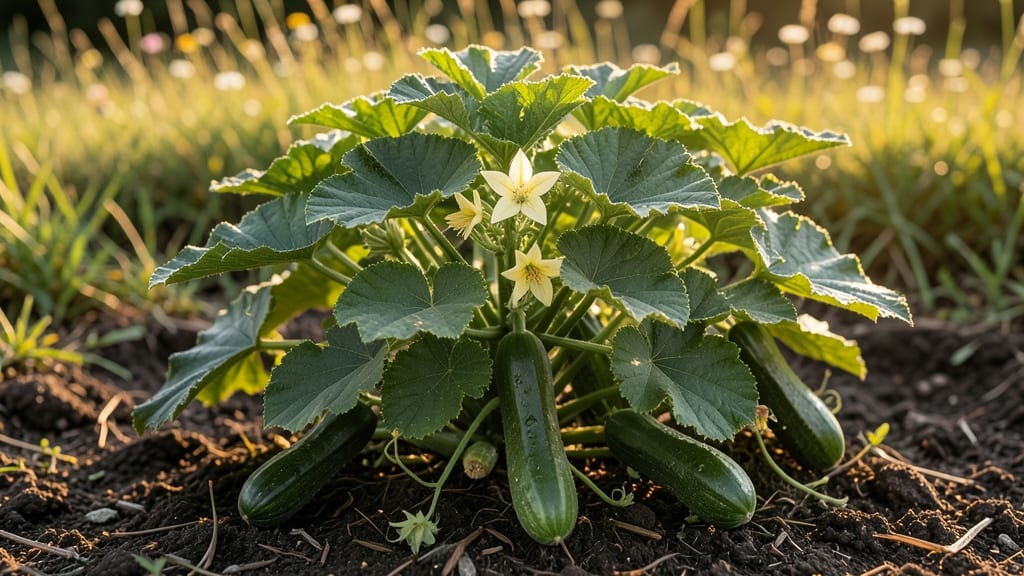
Bush cucumbers are the game-changer for small gardens and containers—compact plants that produce just as much as their sprawling cousins. 🌱 I grew my first batch last summer in a 5-gallon pot on my balcony, and the 12-pound harvest proved these aren't just for big backyards.
Unlike traditional vining cucumbers, bush varieties stay neatly contained, saving space while delivering crisp, productive plants.
The secret lies in their genetics: bred to stay compact without sacrificing yield, they thrive in 1-2 square feet of space (or a single 5-gallon container). You'll need well-draining soil, full sun (6+ hours daily), and consistent watering—about 1 inch per week—to keep those fruits growing fast.
Pruning isn't usually needed, but pinching off early flowers can boost bigger harvests later.
Harvest begins around 50-60 days, and you'll be picking cucumbers every 2-3 days to keep production going. The flavor? Just as sweet and crunchy as heirlooms, perfect for slicing, pickling, or spiralizing. Plus, they resist common cucumber diseases better than vining types, making them the foolproof choice for beginners.
Whether you're growing in pots, raised beds, or vertical towers, bush cucumbers adapt—just avoid overcrowding. They're also great for succession planting: start a second batch 4-6 weeks after the first for a summer-long supply. No more sacrificing space for cucumbers!
📚 In This Guide
- What you need
- Instructions
- Tips and common mistakes
- Wrapping up and next steps
What you need
- ● Bush cucumber seeds or seedlings: Choose compact varieties like Bush Champion, Spacemaster, or Sweet Success (3-5 plants per container or 2-3 per square foot in a garden).
- ● Quantity: 5-10 seeds (or 3-5 seedlings) for a small harvest.
- ● Containers or garden space: Containers: 5-gallon pots or larger (minimum 12" deep and wide per plant).
- ● Garden beds: Well-draining soil in a sunny spot (6+ hours of sunlight daily).
- ● Potting mix: High-quality seed-starting mix or well-draining garden soil (avoid heavy clay).
- ● Quantity: 1-2 bags (depending on container size).
- ● Fertilizer: Balanced 10-10-10 or organic compost (mix 1 tbsp per plant into soil at planting).
- ● Watering can or hose: With a gentle spray nozzle for seedlings.
- ○ Trellis or small stakes (optional): For vining varieties (even bush types may benefit from light support).
- ● Gloves (to protect hands from prickly stems).
- ● Pruning shears (for trimming excess foliage).
- ● Mulch (straw or shredded leaves) (to retain moisture and suppress weeds).
- ● Plant labels (to track varieties and planting dates).
- ○ Row cover or shade cloth (optional) (for early-season frost protection).
Understanding and growing bush cucumbers: a compact guide
Here’s how to work with these space-saving powerhouses—ideal for balconies, containers, or tight garden beds.
🌱 Step 1: Identify the Key Traits of Bush Cucumbers
Bush cucumbers, like 'Bush Champion' or 'Spacemaster,' grow as compact bushes instead of sprawling vines, reaching 3-4 feet tall but rarely needing trellises. Their determinate growth habit means they produce fruit all at once over 2-3 weeks, making them perfect for quick harvests. You’ll notice their leaves are broader and more rigid than traditional cucumbers, and their stems are thicker at the base.
This compact growth saves space but doesn’t sacrifice yield—expect 4-6 cucumbers per plant when grown under ideal conditions. The trade-off? They’re less productive than vining types, but their ease of care and small footprint make them ideal for small gardens, containers, or urban balconies. Choose varieties labeled "bush" or "compact" to avoid disappointment.
☀️ Step 2: Select the Right Location and Sunlight
Bush cucumbers thrive in full sun (6-8 hours daily) but tolerate partial shade (4-6 hours) if summers are scorching. Place them where they’ll receive morning sun and afternoon shade in hot climates to prevent leaf scorch. A south-facing window or balcony works for container growing, but ensure the pot is large enough—at least 12 inches deep and wide—to support their root system.
If growing in the ground, space plants 2-3 feet apart in rows 3-4 feet apart to allow airflow and reduce disease risk. Poor air circulation is the #1 reason bush cucumbers develop powdery mildew. Amend the soil with 2-3 inches of compost before planting to improve drainage and fertility—bush cucumbers are heavy feeders and reward rich soil with bigger, sweeter fruit.
💧 Step 3: Water and Feed for Optimal Growth
Consistent moisture is critical—keep soil evenly damp but not soggy, aiming for 1-1.5 inches of water per week. Water at the base of the plant in the morning to prevent fungal diseases like downy mildew. You’ll know you’re doing it right when the top inch of soil feels moist to the touch but not waterlogged. Drip irrigation or soaker hoses work best, as overhead watering can spread disease.
Feed plants with a balanced fertilizer (10-10-10) at planting, then switch to a low-nitrogen, high-potassium formula (5-10-10) when flowers appear. Over-fertilizing with nitrogen leads to leafy growth at the expense of fruit. Side-dress with compost tea or worm castings every 3-4 weeks for a gentle nutrient boost without burning roots.
✂️ Step 4: Prune and Harvest for Maximum Yield
Unlike vining cucumbers, bush types rarely need pruning, but remove yellowed or diseased leaves immediately to improve airflow. Pinch off the first few flowers if the plant looks stressed—this redirects energy to root and stem growth. Once fruit sets, harvest every 2-3 days to encourage continuous production. Cucumbers left on the vine become bitter and attract pests.
Pick when cucumbers reach 6-8 inches long and are firm to the touch. Use pruning shears to cut stems ¼ inch above the fruit to avoid damaging the plant. Regular harvesting extends the harvest window by 2-3 weeks and prevents overcrowding, which stresses the plant. Store harvested cucumbers in the fridge for up to 5 days to maintain crispness.
🌿 Step 5: Manage Pests and Diseases Proactively
Bush cucumbers are susceptible to cucumber beetles, aphids, and powdery mildew, but prevention is simple. Start by mulching with straw to deter pests and retain moisture. Install row covers at planting to block beetles, then remove them when flowers appear to allow pollination. Handpick aphids with a spray of soapy water if you spot clusters on new growth.
For powdery mildew, apply a baking soda spray (1 tbsp baking soda + 1 quart water + a drop of dish soap) every 7-10 days as a preventive measure. Avoid overhead watering, which creates the humid conditions mildew loves. Rotate crops annually to prevent soil-borne diseases—never plant cucumbers in the same spot two years in a row.
Tips & tricks for perfect bush cucumber cultivation
These space-smart strategies will help you maximize your harvest while keeping maintenance minimal—ideal for even the smallest garden plot.
Variety Selection: When choosing bush cucumber varieties, prioritize those labeled "compact" or "bush" like 'Bush Champion' or 'Spacemaster'—these are bred specifically for their space-saving growth habit. I always check the seed packet for expected yield per plant (typically 4-6 cucumbers) to ensure it matches my space constraints. For containers, opt for varieties like 'Patio Snacker' that thrive in confined root zones.
Container Growing Strategy: If growing in pots, use containers that are at least 12 inches deep and wide with drainage holes—this prevents root-bound stress. I've found that adding a 2-inch layer of gravel at the bottom improves drainage while maintaining moisture. For urban balconies, position containers where they'll receive morning sun and afternoon shade to prevent leaf scorch, especially in hot climates.
Harvest Timing Secret: The 2-3 day harvest window mentioned in Step 4 is crucial—this prevents cucumbers from becoming bitter and overcrowding the plant. I harvest first thing in the morning when cucumbers are firmest. For maximum yield, always harvest with pruning shears, cutting stems ¼ inch above the fruit to minimize plant damage. This small detail keeps your plants healthy for that full 2-3 week harvest window.
Disease Prevention: That baking soda spray (1 tbsp baking soda + 1 quart water + a drop of dish soap) every 7-10 days is a game-changer for powdery mildew prevention. I apply it preventively at the first sign of humidity spikes. For extra protection, I also rotate crops annually—never planting cucumbers in the same spot two years in a row. This simple rotation breaks the disease cycle that affects bush cucumbers most.
Pro Tips for What Is A Bush Cucumber
- These space-smart strategies will help you maximize your harvest while keeping maintenance minimal—ideal for even the...
- Variety Selection: When choosing bush cucumber varieties, prioritize those labeled "compact" or "bush" like 'Bush Cha...
- Container Growing Strategy: If growing in pots, use containers that are at least 12 inches deep and wide with drainag...
Frequently asked questions
Got questions about bush cucumbers? You’re not alone! Here are some of the most common queries—and straightforward answers—to help you grow (or enjoy) these space-saving veggies like a pro.
What’s the difference between bush cucumbers and regular cucumbers?
Bush cucumbers are bred to stay compact (usually 2–4 feet tall) and don’t require trellising, while traditional cucumbers vine aggressively (up to 10+ feet) and need support. Bush varieties are perfect for containers, small gardens, or urban spaces!
When is the best time to plant bush cucumbers?
Plant after the last frost when soil is at least 60°F (15°C). For cooler climates, use black plastic mulch or row covers to warm the soil. Start seeds indoors 3–4 weeks before transplanting for an earlier harvest.
Can I grow bush cucumbers in pots? If so, what size?
Use containers at least 5 gallons with drainage holes. Opt for self-pollinating varieties (like ‘Bush Champion’) for better yields. Place pots in full sun (6+ hours daily) and fertilize every 2–3 weeks with a balanced veggie feed.
Why aren’t my bush cucumbers producing fruit?
Common culprits: too much nitrogen (focus on phosphorus/potassium), poor pollination (hand-pollinate with a paintbrush if bees are scarce), or temperature stress (cucumbers thrive at 70–90°F). Check for pests (like cucumber beetles) too!
Are bush cucumbers as tasty as regular cucumbers?
Yes! They’re just as flavorful but often sweeter because they’re harvested younger (smaller size = less bitter). Try slicing them fresh, pickling, or grilling for a smoky twist. Varieties like ‘Diva’ or ‘Sweet Success’ are crowd-pleasers!
Can I save seeds from bush cucumbers for next year?
Only if you’re growing open-pollinated varieties (check seed packets). Hybrid bush cucumbers (like ‘Bush Early Green’) won’t produce true-to-type seeds. For seed saving, isolate plants by 100+ feet or use row covers to prevent cross-pollination.
Wrapping up and next steps
So, whether you're a city dweller with a tiny balcony or a gardener looking to maximize space, bush cucumbers are your perfect match! 🌱 Their compact size, fast growth, and delicious harvests make them a must-try for any home gardener. Ready to dive in?
Your next step? Grab those seeds, prep your container, and let the green thumbs begin! Start small, experiment with varieties, and soon you’ll be enjoying fresh, homegrown cucumbers—no sprawling vines required. Happy gardening! 🌟