
Pruning
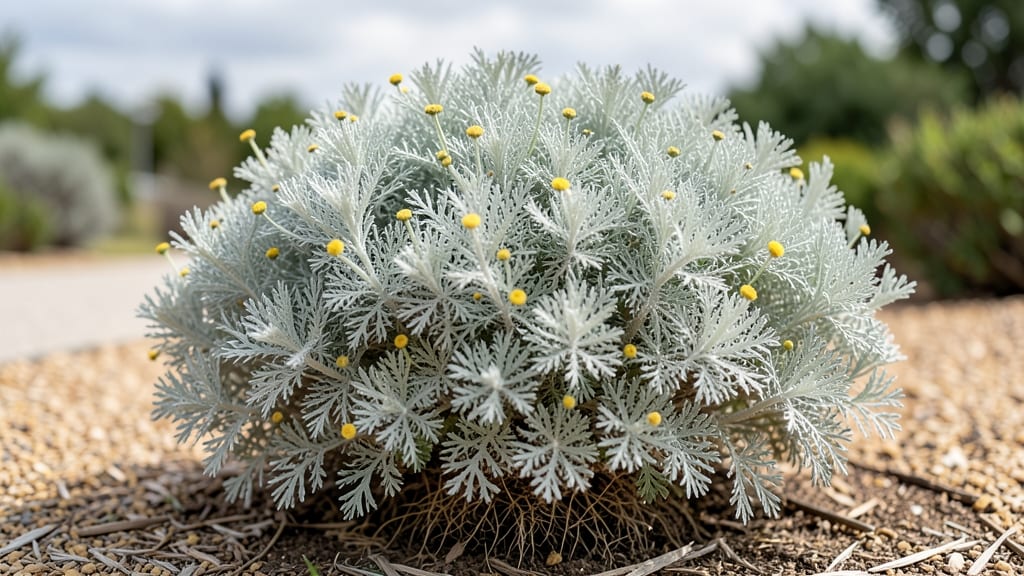
Growing a cotton ball bush (Santolina spp.) is like bringing a cloud to your garden—those fluffy, silver-white blooms stay stunning for months. 🌿 I’ve grown mine for years, and the secret to their year-round beauty lies in the right soil, sunlight, and pruning routine.
The first time I saw them in full bloom, I knew they’d become a garden staple.
These bushes thrive in well-draining soil and full sun, making them perfect for dry climates or low-maintenance gardens. Water them deeply but infrequently—overwatering is their biggest enemy. Once established, they’re drought-tolerant and attract pollinators like bees and butterflies, adding life to your yard.
Pruning is key: trim back leggy growth in early spring and shape lightly after blooming. This keeps them compact and encourages more of those signature fluffy blooms. With the right care, your cotton ball bush will reward you with silver foliage and cloud-like flowers that brighten any space.
Whether you’re a beginner or a seasoned gardener, these bushes are a foolproof way to add texture and charm. They handle heat well but may need winter protection in colder zones. Start with one, and you’ll be hooked!
📚 In This Guide
- What you need
- Instructions
- Tips and common mistakes
- Wrapping up and next steps
What you need
- ● Pruning shears or sharp bypass pruners – Look for bypass-style blades (not anvil) for clean cuts.
- ● Rubbing alcohol (70% or higher) or pruning spray – 1 small bottle (4 oz) to sterilize tools.
- ● Gloves (gardening or cut-resistant) – 1 pair to protect hands from thorns or sharp edges.
- ● Watering can or hose with a gentle nozzle – For post-pruning hydration.
- ● Cotton ball bush plant (Viburnum bodnantense 'Dawn') – Mature bush (3–5 years old) for best results.
- ● Pruning sealant – Small bottle (2 oz) to prevent disease entry on larger cuts.
- ● Garden twine or stakes – For supporting heavy branches if needed.
- ● Fertilizer (balanced, 10-10-10) – 1 small bag to boost recovery post-pruning.
- ● Camera or sketchbook – To map out your pruning plan before diving in!
Step-by-Step instructions for growing cotton ball bush
Here’s how to coax those signature fluffy, cloud-like blooms from your cotton ball bush—with minimal fuss.
🪴 Step 1: Select the Right Container and Soil Mix
Cotton ball bush (Santolina chamaecyparissus) thrives in containers with excellent drainage—think terracotta pots with holes or fabric grow bags. I use a 5-gallon container for each plant since its roots spread aggressively. Fill with a well-draining cactus/succulent mix (or blend 50% potting soil with 50% perlite/pumice). Avoid heavy garden soil—it smothers roots and causes rot.
Press the mix firmly into the container, then water thoroughly until moisture runs freely from the drainage holes. Let it drain completely before planting. The goal is dry, gritty soil that mimics its Mediterranean native habitat. If your mix feels compacted, add more perlite—this plant despises soggy feet.
☀️ Step 2: Plant and Position for Maximum Sunlight
Dig a hole twice as wide as the root ball but no deeper—cotton ball bush hates being buried too deep. Gently tease apart any circling roots before placing it in the hole. Backfill with soil, pressing lightly to eliminate air pockets. Water again to settle the roots, but avoid oversaturating.
This plant demands full sun—at least 6-8 hours daily—to produce those signature fluffy blooms. A south-facing window or bright outdoor spot works best. If grown indoors, supplement with a grow light (12-14 hours/day) to prevent leggy growth. You’ll notice the stems elongate and leaves thin out if light is insufficient.
💧 Step 3: Water Sparingly and Fertilize Lightly
Water only when the top 2 inches of soil feel completely dry—usually every 7-10 days in summer, less in winter. Overwatering is the fastest way to kill cotton ball bush. I use the "finger test" method: stick your finger in the soil. If it’s damp below the top inch, wait another day. When watering, soak deeply until it drains from the bottom, then empty the saucer to prevent root rot.
Fertilize once in early spring with a balanced, slow-release fertilizer (10-10-10 or similar). Too much nitrogen promotes leafy growth at the expense of those fluffy silver bracts. After flowering, skip fertilizer entirely—cotton ball bush enters a semi-dormant state and needs minimal care.
✂️ Step 4: Prune for Shape and Encourage Fullness
Prune right after flowering (late summer) to shape the plant and encourage bushier growth. Use clean, sharp shears to trim back one-third of the current season’s growth, cutting just above a set of leaves. Avoid cutting into old wood—this plant doesn’t regenerate well from deep cuts. You’ll see new growth sprout from the base within 2-3 weeks if pruned correctly.
Deadhead spent blooms only if they look unsightly—cotton ball bush isn’t a heavy bloomer, and removing them too aggressively can stress the plant. Instead, focus on shaping and thinning crowded stems to improve airflow. This prevents fungal issues and keeps the plant looking lush year-round.
⏰ Step 5: Overwinter for Next Year’s Blooms
In USDA Zones 8-10, cotton ball bush is perennial and needs minimal winter care. In colder zones, treat it as an annual or overwinter indoors near a bright, cool window (50-60°F). Reduce watering to every 3-4 weeks—the plant enters dormancy and stores moisture in its stems. Avoid fertilizing during this period.
If you’re bringing it indoors, inspect for pests (like spider mites) before moving it. A quick spray with neem oil prevents infestations. In spring, repot if roots are circling, and resume regular care. With proper overwintering, your cotton ball bush will reward you with fluffy blooms for years—just like the one I’ve had thriving on my patio since 2019.
Tips & tricks for growing cotton ball bush
To keep your cotton ball bush thriving and producing those signature fluffy blooms, these insider tips will help you avoid common pitfalls and maximize success.
Soil Mix Secrets: When blending your own soil mix, I recommend using 70% cactus/succulent mix and 30% coarse sand or pumice for even better drainage. This gritty texture prevents compaction and mimics the plant's natural Mediterranean environment. If you're using pre-mixed soil, look for labels that specify "fast-draining" or "xeric" blends—these are formulated for plants that hate soggy conditions. The key is to ensure water runs through the container within 10-15 minutes after watering.
Lighting Strategy: For indoor growers, position your cotton ball bush within 12 inches of your grow light to maximize those 12-14 hours of light per day. I've found that LED grow lights with a full spectrum (especially blue and red wavelengths) produce the best results. Notice how the stems will lean toward the light source—this is your plant's way of telling you it needs to be rotated every few days for even growth. If you see elongated stems with sparse foliage, you're not providing enough light.
Pruning Precision: When you're trimming back that one-third of current growth in Step 4, focus on cutting just above a set of leaves where new growth will emerge. This is where the plant's energy is stored. I like to use a pair of bypass pruners for clean cuts that heal quickly. After pruning, give your plant a light misting with water to reduce stress. You'll notice new growth appearing within 2-3 weeks, but if you don't see any sprouts after 4 weeks, you may have cut too aggressively into old wood.
Winter Care Wisdom: During the 50-60°F winter dormancy period, place your cotton ball bush in a location with bright, indirect light—like an east-facing window. This prevents the stems from stretching toward any available light source. I've had success using a simple fluorescent bulb placed 6 inches above the plant for 4-6 hours per day during the shortest winter days. This minimal light keeps the foliage from yellowing while maintaining the plant's health until spring.
Pro Tips for Cotton Ball Bush
- To keep your cotton ball bush thriving and producing those signature fluffy blooms, these insider tips will help you avoid common pitfalls and maximize success.
- Soil Mix Secrets: When blending your own soil mix, I recommend using 70% cactus/succulent mix and 30% coarse sand or pumice for even better drainage.
- Lighting Strategy: For indoor growers, position your cotton ball bush within 12 inches of your grow light to maximize those 12-14 hours of light per day.
Frequently asked questions
How often should I prune my cotton ball bush?
Prune your cotton ball bush lightly in early spring (before new growth) and again after flowering (late summer) to maintain its shape. For a fuller look, trim back about 1/3 of the growth per session. Avoid heavy pruning in fall—it can stress the plant before winter.
Can cotton ball bushes survive winter?
Yes! These hardy shrubs thrive in USDA Zones 6-9 and tolerate light frost. In colder climates (Zone 5 or below), mulch the base with 2-3 inches of straw or shredded leaves to protect roots. Avoid pruning in late fall—wait until spring to encourage fresh growth.
What if my cotton ball bush isn’t flowering?
Flower production can lag if the plant is overcrowded, underfed, or over-pruned. Try these fixes:
- Trim back dense growth to improve airflow.
- Fertilize lightly in spring with balanced 10-10-10.
- Ensure it gets 6+ hours of sun daily—shady spots reduce blooms.
Are there alternatives to cotton ball bush for fluffy foliage?
If you love the textured, cloud-like look, try these low-maintenance picks:
- Lavender (Lavandula) – Drought-tolerant, fragrant, and loves full sun.
- Dwarf Russian Sage (Perovskia atriplicifolia ‘Little Spire’) – Silvery foliage with purple blooms.
- Fountain Grass (Pennisetum) – Adds softness with feathery plumes.
Why are my cotton ball bush leaves turning yellow?
Yellowing leaves usually signal overwatering, poor drainage, or fungal issues. Check these first:
- Let soil dry out between waterings—these shrubs hate soggy roots!
- Ensure the pot/drainage area has holes to prevent root rot.
- Spray with neem oil if you spot powdery mildew (common in humid climates).
Pro tip: If only lower leaves yellow, it’s likely natural aging—trim them off to keep the bush tidy!
Wrapping up and next steps
Growing a cotton ball bush is a rewarding journey that brings year-round fluffiness and charm to your garden! With the right care—pruning, sunlight, and soil—you’ll enjoy its cloud-like blooms for seasons to come. Whether you’re a beginner or a seasoned gardener, this bush is a low-maintenance yet stunning addition.
Now that you’re armed with tips and tricks, why not give it a try? Start by picking the perfect spot, gather your tools, and watch your garden transform into a fluffy paradise! 🌿✨