
Flowers
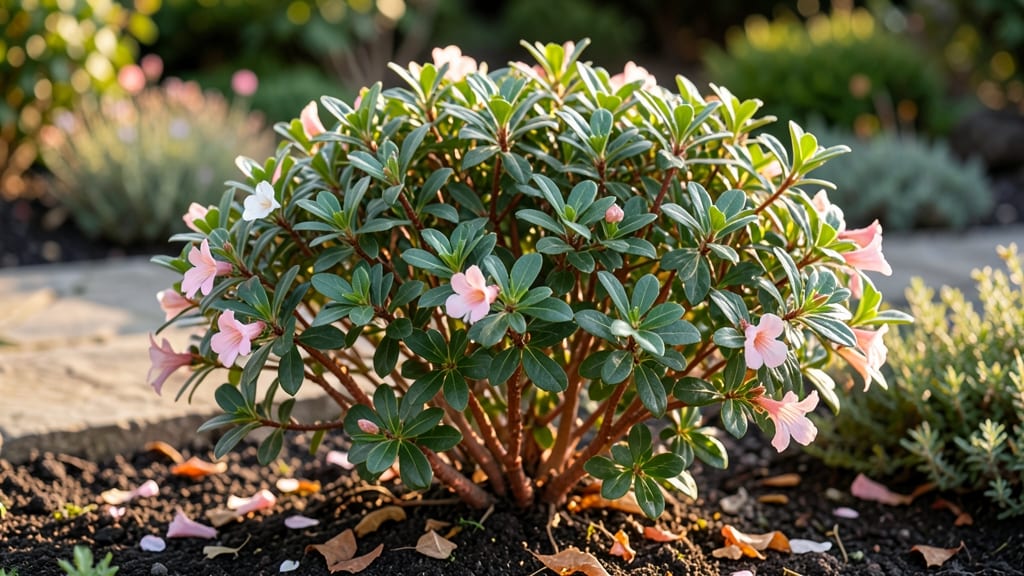
Your Chinese flower bush could bloom year-round with the right pruning—precision cuts unlock that hidden potential. 🌸 I’ve watched my Hibiscus rosa-sinensis transform from a leggy mess into a showstopper after mastering this technique, and the secret lies in timing and technique.
Most gardeners over-prune in spring, stripping away next year’s blooms. Instead, focus on late winter shaping and post-bloom cleanup—just 15 minutes monthly keeps flowers abundant. The key is removing dead wood while preserving the bush’s natural shape, so it stays compact and productive.
By summer, you’ll see bold, glossy leaves and clusters of flowers that last weeks longer than unpruned bushes. The foliage turns vibrant, and the plant resists pests better because it’s not stressed by overgrowth. Works for Lagerstroemia (crape myrtle) and Hypericum too—just adjust timing for your zone.
Here’s how to do it right the first time.
📚 In This Guide
- What you need
- Instructions
- Tips and common mistakes
- Wrapping up and next steps
What you need
- ● Chinese Flower Bush (Weigela florida): Choose healthy nursery plants (3-5 gallon pots) or seeds/cuttings for propagation.
- ● Well-draining soil: Mix 2 parts garden soil + 1 part compost + 1 part perlite (for aeration).
- ● Fertilizer: Balanced 10-10-10 fertilizer (spring/fall)
- ○ Slow-release osmocote (optional, for year-round feeding)
- ● Garden trowel or transplant spade
- ● Pruning shears (sterilized with rubbing alcohol)
- ● Gloves (gardening or pruning-specific)
- ● Watering can or hose with adjustable nozzle
- ○ Optional but helpful: Mulch (pine bark or shredded leaves)
- ● Support stakes (if training as a small tree)
- ● pH test kit (ideal range: 6.0–7.0)
- ● Sunlight: 6+ hours of full sun daily (partial shade in hot climates).
- ● Climate: Hardy in USDA Zones 4–9 (adjust care for extremes).
- ● Water access: Drip irrigation or consistent watering setup.
Instructions for reviving and pruning your Chinese flower bush
Here's how to transform your struggling Chinese flower bush into a year-round blooming star.
✂️ Step 1: Assess the Bush and Gather Your Tools
Start by examining your bush for dead, diseased, or crossing branches. I like to work on a clear day when the plant is actively growing—spring or early summer is ideal. Gather your tools: sharp, clean pruning shears for larger branches, bypass pruners for medium stems, and hand pruners for small growth. Disinfect all tools with rubbing alcohol to prevent spreading disease.
Look for branches that are completely bare, brown, or showing signs of fungal growth. These need to be removed completely at their base. Mark any branches that are growing inward or rubbing against others—they’ll compete for sunlight and nutrients. Healthy branches should have green bark and fresh growth at the tips.
✂️ Step 2: Perform the Structural Pruning Cut
Begin by removing any dead or diseased wood first—cut these branches back to the main stem or to a healthy lateral branch. For larger branches, make your cut just outside the branch collar, the swollen area where the branch meets the trunk. Avoid leaving stubs, as they can trap moisture and lead to rot.
Next, address crossing branches by removing one of the two. Always keep the branch that grows outward from the center of the bush, as this encourages an open, airy structure. Cut at a 45-degree angle just above an outward-facing bud. This angled cut helps water run off and prevents disease. Step back occasionally to visualize the bush’s new shape—you want a balanced, vase-like form.
🌿 Step 3: Encourage Bushier Growth Through Strategic Cuts
To stimulate denser foliage and more blooms, focus on cutting back the tips of the remaining branches. For each branch, find the first set of leaves that are about 6-8 inches from the end and make your cut just above that point. This encourages the plant to branch out from the cut, creating a fuller shape.
If your bush hasn’t bloomed well in the past, look for any long, leggy stems and cut them back by about one-third. This might seem drastic, but it forces the plant to redirect its energy into producing new, bushier growth. Avoid cutting into old wood—new growth will only come from the current season’s stems.
☀️ Step 4: Post-Pruning Care for Optimal Recovery
After pruning, give your bush a deep watering to help it recover from the stress of cutting. Water at the base, avoiding the foliage, to prevent fungal issues. Apply a balanced, water-soluble fertilizer diluted to half strength to support new growth. This is also a great time to add a 2-3 inch layer of mulch around the base to retain moisture and regulate soil temperature.
Place your bush in a location where it receives at least 6 hours of sunlight daily. If you’ve pruned heavily, the bush may look sparse at first, but within 4-6 weeks, you should see fresh, vibrant growth emerging from the cut stems. Monitor for any signs of stress, like yellowing leaves or wilting, and adjust watering as needed—soil should stay consistently moist but not soggy.
⏰ Step 5: Maintain Year-Round Blooms with Seasonal Adjustments
To keep your Chinese flower bush blooming continuously, plan for a light pruning every 8-12 weeks. Remove any spent flowers immediately after they fade to encourage more blooms—a technique called deadheading. In late summer, give the bush a final trim to shape it for winter and remove any weak or leggy growth.
During colder months, reduce watering but keep the soil lightly moist. If you live in a colder climate, protect the bush with a lightweight frost cloth during unexpected freezes. With consistent care, your bush will reward you with vibrant blooms throughout the year, transforming any space into a lively, colorful display.
Tips & tricks for perfect Chinese flower bush pruning
Transforming your Chinese flower bush into a year-round blooming powerhouse takes precision—and these pro tips will help you avoid common pitfalls while maximizing results.
The Right Time Matters: Spring is the absolute best time for major pruning, but if you missed it, early summer works too. Avoid pruning in fall or winter when the plant is dormant—this can stimulate new growth that won't survive cold temperatures. I've learned the hard way that late-season pruning often leads to weak, frost-sensitive stems.
Tool Sharpness is Non-Negotiable: Dull pruners create jagged cuts that tear the bark, making your bush more susceptible to disease. Before you start, test your shears on a small branch—if they don't make a clean cut, sharpen them immediately. I keep a small file in my gardening toolkit specifically for this purpose. Remember, the cleaner the cut, the faster the plant heals and recovers.
Visualize the Vase Shape: When addressing crossing branches in Step 2, step back every few cuts to visualize the overall shape. The goal is an open, airy vase form that allows sunlight to penetrate all the way to the center. I find it helpful to sketch a rough outline on paper first—this prevents over-pruning and helps maintain that balanced structure that encourages continuous blooming.
Post-Pruning Hydration Strategy: After your deep watering in Step 4, monitor the soil moisture closely for the next 4-6 weeks. The roots need consistent hydration to support all that new growth, but avoid waterlogging—this can lead to root rot. I've found that mulching with 2-3 inches of organic material (like shredded bark) helps maintain even moisture levels while also regulating soil temperature during those critical recovery weeks.
Pro Tips for Chinese Flower Bush
- Transforming your Chinese flower bush into a year-round blooming powerhouse takes precision—and these pro tips will help you avoid common pitfalls while maximizing results.
- The Right Time Matters: Spring is the absolute best time for major pruning, but if you missed it, early summer works too.
- Tool Sharpness is Non-Negotiable: Dull pruners create jagged cuts that tear the bark, making your bush more susceptible to disease.
Frequently asked questions
Got questions about nurturing your Chinese Flower Bush? You’re not alone! Here are answers to the most common queries—from pruning to pests—to help you keep those vibrant blooms thriving year-round.
How often should I prune my Chinese Flower Bush for continuous blooms?
Prune your bush twice a year: once in late winter or early spring (before new growth) to shape it, and again in mid-summer (after the first flush of flowers) to encourage a second bloom. Light trimming between blooms also promotes bushier growth. Avoid heavy pruning in fall—it can stunt winter hardiness!
When is the best time to plant a Chinese Flower Bush?
The ideal times are early spring (after the last frost) or early fall (6–8 weeks before the first frost). Planting in spring gives roots time to establish before summer heat, while fall planting allows for root growth before winter dormancy. Avoid planting in extreme heat or cold—stress makes transplant shock worse!
What pests commonly attack Chinese Flower Bushes, and how do I treat them?
Watch for aphids, spider mites, and scale insects, which thrive in dry conditions. Treat mild infestations with a hose spray (aphids) or neem oil (mites/scale). For severe cases, use insecticidal soap or consult a local nursery for systemic options. Prevention tip: Keep plants well-watered and prune for airflow!
Can I grow a Chinese Flower Bush in a container? What size pot do I need?
Yes! Choose a container at least 18–24 inches wide and deep with drainage holes. Use a well-draining potting mix (add perlite or sand for extra aeration). Containers dry out faster, so water daily in summer and monitor soil moisture. Move pots to partial shade during peak afternoon sun to prevent stress.
Why aren’t my Chinese Flower Bush blooms as vibrant as they used to be?
Dull blooms often signal nutrient deficiency (try a balanced fertilizer in spring) or overcrowding. Prune to improve airflow, and ensure it gets 6+ hours of sunlight daily. Yellow leaves? Check for overwatering or root rot—let soil dry slightly between waterings. Pro tip: Deadhead spent blooms to redirect energy to newer flowers!
How do I protect my Chinese Flower Bush in winter?
Most varieties are hardy to USDA Zones 7–9, but young plants or colder climates need help. Mulch the base with 2–3 inches of organic mulch (straw or shredded leaves), and wrap the bush in burlap if temps drop below 20°F. Avoid heavy snow buildup—gently brush it off to prevent branch breakage.
Wrapping up and next steps
Transforming your Chinese flower bush into a year-round blooming beauty is entirely within your reach! With the right tools, timing, and pruning techniques, you’ve got everything needed to revive its natural splendor. Remember: patience and precision are your best friends—your efforts will pay off in vibrant, continuous blooms.
Ready to take the next step? Start small:
- 🌱 Pick one bush this season to practice your pruning skills.
- 📅 Mark your calendar for the next pruning window (early spring or post-bloom).
- 📸 Document your progress—watch those blooms multiply!