
Diseases
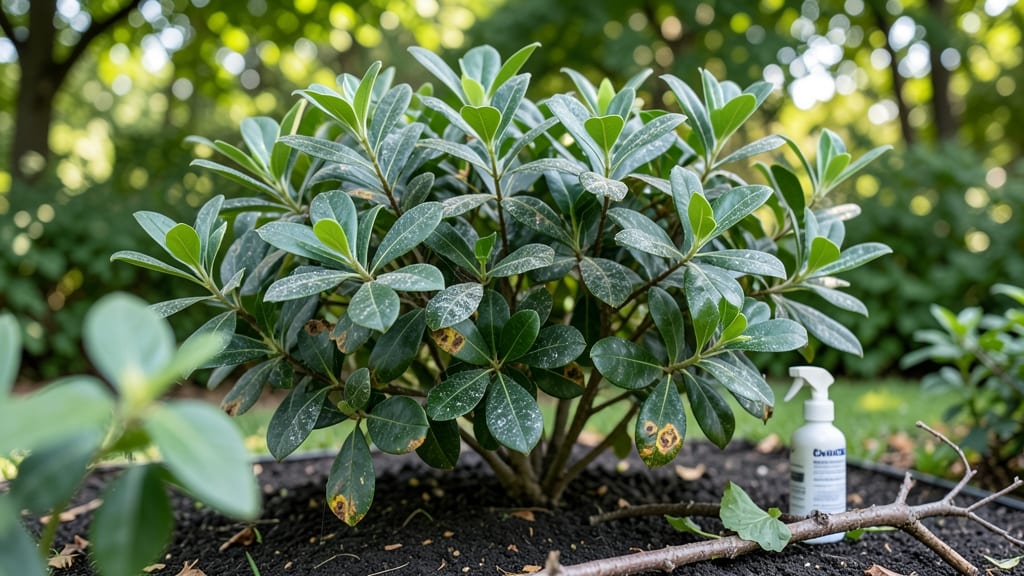
Your cherry laurel bush is dropping leaves faster than you can rake them up—this is your wake-up call. 🌿 The most common diseases (powdery mildew, bacterial leaf spot) start with tiny signs we often miss until it's too late.
I've seen entire hedges lose their glossy green armor in just a few weeks, and the fix begins with knowing what to look for.
Those white powdery patches or black spots on leaves? That's not normal wear and tear—it's a fungal party your plant didn't RSVP to. Poor airflow, wet foliage, or stressed roots create the perfect invitation.
The good news? You can stop the spread with simple adjustments: prune for better airflow, water at the base (not overhead), and clean up fallen leaves like clockwork.
Once you spot the trouble, act fast with organic sprays like neem oil or baking soda mix (yes, really). I've nursed back hedges that looked done for with just consistent care and a little elbow grease. The key is catching it early—before the disease moves from leaves to branches.
Think of this as your cherry laurel's insurance policy: regular pruning, proper watering, and quick action when you see the first signs. Your hedge will stay lush, dense, and disease-free with these simple habits. Let's get that glossy green back!
Root Causes Of Cherry Laurel Stress
Cherry laurel bushes (Prunus laurocerasus) are hardy plants, but they’re not immune to stress—especially when environmental factors or poor care create the perfect storm for diseases and pests.
Understanding why these issues arise helps you prevent them before they take hold. Let’s break down the science behind the most common culprits.
Cherry laurels thrive in USDA Zones 7-9, but sudden temperature shifts—like late frosts, scorching heatwaves, or prolonged cold snaps—weaken their defenses. Here’s how it happens:
- Cold Damage: Freezing temps (<32°F) can rupture cell walls, making leaves crispy and stems vulnerable to fungal entry points (like Botrytis or Phytophthora). Pro tip: Mulch with 2–3 inches of organic matter (straw or shredded bark) to insulate roots.
- Heat Stress: Temperatures above 95°F for weeks cause wilting and leaf scorch, reducing photosynthesis. This sugar deficiency starves the plant, inviting pests like spider mites (who love dry, stressed foliage). Solution: Provide afternoon shade in extreme climates.
- Wind Burn: Strong, dry winds desiccate leaves, creating tears that trap moisture—ideal for powdery mildew (Erysiphe spp.). Prune to improve air circulation and avoid planting in exposed areas.
Cherry laurels hate "wet feet." When soil stays soggy for days, roots suffocate, and anaerobic bacteria thrive, leading to:
- Root Rot (Phytophthora, Pythium): Waterlogged roots can’t absorb oxygen, causing them to turn black and mushy. Fungal spores in damp soil infect wounds, spreading upward. Fix it: Amend clay soil with perlite or sand, and ensure pots have drainage holes.
- Fungal Leaf Spots: Excess moisture on foliage (from overhead watering) creates a breeding ground for Septoria or Cercospora spores. These cause brown, target-like lesions. Prevent it: Water at the base early in the morning.
💡 Pro Tip: Test your soil’s drainage by digging a 12-inch hole, filling it with water, and timing how long it takes to drain. If it’s slower than 6 hours, amend the soil.
Fungi are everywhere—but they only cause trouble when conditions are just right. For cherry laurels, that means:
| Disease | Trigger Conditions | How It Starts |
|---|---|---|
| Powdery Mildew | High humidity (75%+), warm nights (70–80°F), poor airflow | Spores land on leaves and germinate in 4–6 hours, forming white, powdery colonies that block sunlight. |
| Anthracnose (Apiognomonia veneta) | Cool, wet springs (50–70°F), rainy seasons | Spores splash from soil to leaves, causing dark, sunken lesions with yellow halos. |
| Leaf Spot (Cercospora) | Overhead irrigation, humid afternoons | Spores cling to wet leaves, creating circular brown spots with gray centers. |
🔥 Prevention: Space plants 3–5 feet apart, avoid wetting foliage, and apply copper fungicide preventatively in spring.
Stressed cherry laurels become buffet tables for pests. Here’s the why behind the most common critters:
- Spider Mites: These tiny arachnids thrive in dry, hot conditions (below 50% humidity). They suck sap, causing stippled yellowing. Why it happens: Drought-stressed plants produce less chlorophyll, making them easier targets.
- Scale Insects: These sap-suckers prefer new growth and young leaves because they’re softer and richer in nutrients. Over-fertilizing (especially with nitrogen) triggers rapid growth, which attracts them.
- Japanese Beetles: Adults chew leaves in peak summer heat (80–90°F), while grubs (larvae) feed on roots in compacted, waterlogged soil. Solution: Aerate soil and handpick beetles in the morning when they’re sluggish.
Too little or too much fertilizer throws off a cherry laurel’s balance, inviting problems:
- Nitrogen Deficiency: Pale, yellowing leaves (chlorosis) signal a lack of nitrogen, weakening the plant’s immune response. Fix: Test soil pH (ideal: 6.0–7.0) and amend with compost or a slow-release 10-10-10 fertilizer in early spring.
- Magnesium Deficiency: Yellowing between leaf veins (interveinal chlorosis) occurs when soil pH is too high. This stress makes plants susceptible to bacterial leaf spot. Solution: Apply Epsom salt (1 tbsp per gallon of water) every 4–6 weeks.
- Salt Burn (from Over-Fertilizing): Excess salts in soil (from synthetic fertilizers) disrupt water uptake, causing leaf tip burn and root damage. This opens doors for root-knot nematodes. Prevent: Flush soil with water after fertilizing.
Quick Fixes for Cherry Laurel Ailments
Reviving your cherry laurel bush starts with identifying the root cause—but once you know what’s ailing it, action is key! Below are practical, step-by-step solutions tailored to the most common diseases and pests, plus preventive tips to keep your bush thriving. 🌿🛠️
1.
Powdery Mildew: Scrub and Spray 🔥 Cause: White, powdery coating on leaves (often from poor airflow or humidity). 🍳 Fix It: - Remove infected leaves (wear gloves!) and dispose of them in the trash—not the compost. - Prune for better airflow—cut back dense branches to let sunlight and air circulate. - Spray with a fungicide like neem oil (1 tbsp per gallon of water) or a baking soda mix (1 tsp baking soda + 1 tsp dish soap + 1 quart water).
Reapply every 7–10 days until clear. - Water at the base (not overhead) to keep foliage dry.
💡 Pro Tip: Early morning is the best time to spray—fungicides work best when leaves are dry.
2.
Leaf Spot: Sterilize and Isolate 🔪 Cause: Dark, crinkled spots with yellow halos (often from wet foliage or splashing water). ⏰ Fix It: - Pick off spotted leaves and destroy them immediately. - Sterilize pruners with rubbing alcohol between cuts to prevent spreading. - Apply copper fungicide (follow label instructions) or a homemade mix of 1 tbsp hydrogen peroxide (3%) per gallon of water. - Space plants 3–4 feet apart to reduce humidity buildup. - Water early in the day so leaves dry before evening.
🌡️ Pro Tip: Avoid overhead irrigation—drip systems or soaker hoses work best.
3.
Root Rot: Drainage and Rescue 💀 Cause: Yellowing leaves, wilting, and mushy stems (from overwatering or poor drainage). 👨🍳 Fix It: - Stop watering immediately—let the soil dry out completely. - Improve drainage by amending the soil with perlite or sand (1 part to 3 parts soil). - Repot or transplant if the root ball is soggy—trim away mushy roots with sterilized scissors. - Use well-draining pots if container-grown, with drainage holes. - Water only when the top 2 inches of soil are dry—stick your finger in to check!
✨ Pro Tip: Mulch lightly (1–2 inches) to retain moisture without smothering roots.
1.
Spider Mites: Blast and Block 🕷️ Cause: Tiny webs, stippled leaves, and a dusty appearance (thrive in dry heat). 🔥 Fix It: - Spray with water (a strong jet can knock off mites—do this daily for 3 days). - Use insecticidal soap (2.5 tbsp per gallon of water) or neem oil (repeat every 5–7 days). - Introduce predator mites (like Phytoseiulus persimilis) for organic control. - Increase humidity with a nearby water feature or pebble tray.
🎯 Pro Tip: Check the undersides of leaves—mites love to hide there!
2.
Scale Insects: Scrape and Smother 🐛 Cause: Bumpy, waxy bumps on stems/leaves (sap-sucking pests that weaken the plant). 🍳 Fix It: - Scrape off scales with a plastic spoon or soft brush (dip in soapy water first). - Wipe stems with rubbing alcohol (70% isopropyl) to kill eggs. - Apply horticultural oil (1 tbsp per gallon of water) and reapply every 7–10 days. - Encourage ladybugs—they eat scale insects naturally!
💡 Pro Tip: Repeat treatments every 2 weeks until no new scales appear.
3.
Laurel Wilt (Fungal): Prune and Prevent 🌪️ Cause: Rapid wilting, vascular discoloration (spread by ambrosia beetles). 🔪 Fix It: - Remove and destroy infected plants—this disease is not treatable. - Inspect new plants for beetle entry holes before bringing them home. - Use fast-acting insecticides (like imidacloprid) before planting to deter beetles. - Avoid wounding trees (e.g., from pruning) during beetle season (spring/summer).
🌡️ Pro Tip: Plant resistant varieties like Prunus laurocerasus ‘Rotundifolia’ if laurel wilt is common in your area.
- 📊 Soil Test: Ensure pH is between 5.5–7.0 (cherry laurels prefer slightly acidic soil).
- 💪 Fertilize: Use a balanced, slow-release fertilizer in early spring (10-10-10 ratio).
- 🥗 Prune Regularly: Remove dead/diseased branches in late winter to promote airflow.
- 🍎 Monitor: Check leaves weekly for early signs of pests or disease.
- 🌿 Quarantine New Plants: Keep them separate for 2–4 weeks to spot issues early.
Remember: Consistency is key! Most treatments require 2–3 applications spaced 7–14 days apart. With the right care, your cherry laurel will bounce back—and stay resilient against future threats. 🌟
Frequently asked questions
What are the first signs of powdery mildew on my cherry laurel?
Look for white, powdery patches on the upper leaf surfaces—like dusting with flour. These spots start small but spread quickly in humid conditions. Check undersides of leaves too, as spores often appear there first. Act fast by pruning affected branches and applying neem oil spray.
Why are my cherry laurel leaves turning yellow between the veins?
This classic symptom signals magnesium deficiency (interveinal chlorosis), often caused by alkaline soil (pH above 7.0). Test your soil and amend with Epsom salt (1 tbsp per gallon of water) every 4-6 weeks. Also check for over-fertilizing with synthetic products, which can block nutrient uptake.
Can I use household items to treat fungal diseases on my cherry laurel?
Yes! For powdery mildew, mix 1 tsp baking soda + 1 tsp dish soap + 1 quart water and spray leaves thoroughly. For leaf spots, use 1 tbsp hydrogen peroxide (3%) per gallon of water. Always apply in the early morning on dry leaves for best results. Repeat every 7-10 days until symptoms disappear.
How do I know if my cherry laurel has root rot versus just needing water?
Root rot causes mushy, black roots that smell foul when pulled, while thirsty plants have dry, brown roots. Dig carefully—if you see healthy white roots at the edges but rot in the center, it's root rot. Stop watering immediately, improve drainage, and consider repotting with fresh soil. Yellow leaves that wilt even when soil is wet confirm root rot.
Are there any cherry laurel varieties that resist diseases better?
Yes! 'Rotundifolia' and 'Schipkaensis' varieties show better disease resistance, especially against laurel wilt. These cultivars maintain dense foliage with improved airflow, reducing fungal risks. When selecting new plants, choose from reputable nurseries that offer disease-resistant stock and inspect for beetle damage before purchasing.