
Flowers
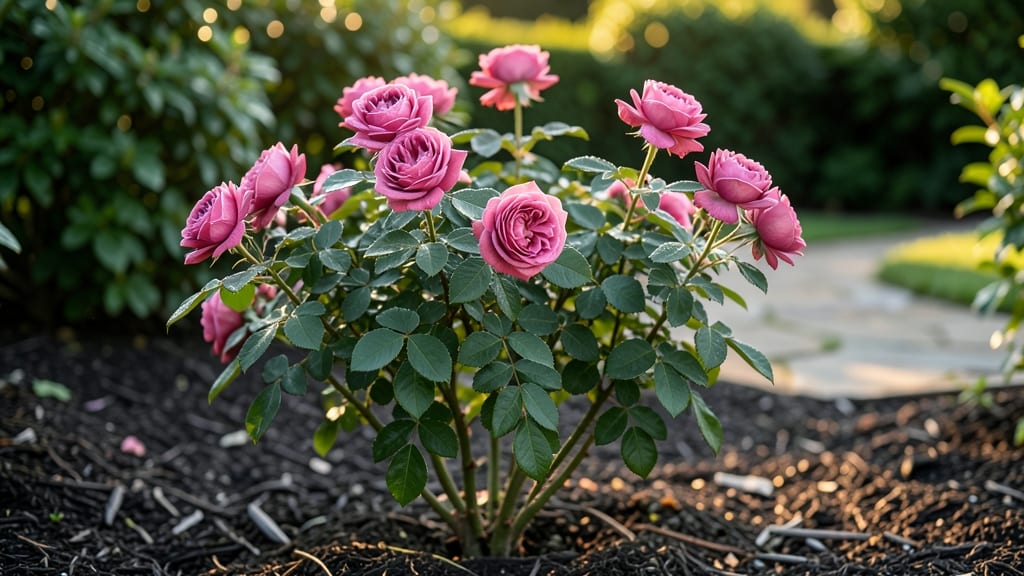
Nothing beats the intoxicating fragrance of a Camelot rose bush in full bloom—its velvety petals and honeyed scent transform any garden into a storybook scene. 🌹 I planted mine last spring, and by midsummer, it was already covered in 5-inch blooms that lasted for weeks.
What makes this variety special is its repeat-blooming habit from spring until frost, with minimal fuss compared to fussy roses.
This rose thrives where others struggle: it handles heat and humidity better than most, and its disease resistance means fewer sprays and more blooms. You’ll need full sun (6+ hours daily), well-draining soil, and consistent watering—but no soggy roots.
The secret to its longevity? Pruning twice a year: once in late winter to shape it, and again after the first flush of blooms to encourage more flowers.
By summer’s end, your Camelot will be a magnet for pollinators and a centerpiece for cut flowers. The fragrance alone is worth the effort—imagine strolling through your garden and being greeted by that signature rose perfume.
With the right care, this bush will reward you for years, becoming the jewel of your landscape.
Whether you’re a first-time rose grower or looking to upgrade your garden, this variety delivers foolproof beauty with less drama than traditional roses. Let’s get those roots in the ground and start your fragrant journey!
📚 In This Guide
- What you need
- Instructions
- Tips and common mistakes
- Wrapping up and next steps
What you need
- ● Camelot rose bush: 1 bare-root or potted plant (choose a healthy, disease-free specimen from a reputable nursery).
- ● Planting site: Full sun (6+ hours of direct sunlight daily).
- ● Well-draining soil (amend with compost or organic matter if needed).
- ● Tools: Trowel or spade (for digging).
- ● Garden gloves (to protect your hands).
- ● Pruning shears (sterilized with rubbing alcohol).
- ● Watering can or hose with a gentle spray nozzle.
- ● Fertilizer: Balanced rose fertilizer (10-10-10 or similar) or organic options like fish emulsion or compost tea.
- ○ Slow-release granules (optional, for convenience).
- ● Mulch: 2–3 inches of organic mulch (shredded bark, straw, or wood chips) to retain moisture and suppress weeds.
- ● Stakes or trellis: 1–2 sturdy stakes (4–6 feet tall) or a rose trellis for support as the bush grows.
- ● Rose ties or soft twine: To secure the bush to stakes without damaging stems.
- ● Soil pH tester (ideal range: 6.0–6.5; amend with lime or sulfur if needed).
- ● Epsom salt (1 tablespoon per foot of plant height monthly for magnesium boost).
- ● Pest/disease control: Neem oil, insecticidal soap, or copper fungicide (preventative care!).
- ● Drip irrigation system (for automated watering and efficiency).
- ● Decorative border or edging (to define the planting area and add charm!).
Step-by-step instructions for planting and cultivating a thriving Camelot rose bush
Here's how I've successfully grown this fragrant, repeat-blooming rose—with secrets to maximize those stunning blooms all season.
🌱 Step 1: Select and Prepare the Perfect Planting Site
The Camelot rose thrives in full sun—at least 6-8 hours daily. I choose a location with morning sun and afternoon shade in hot climates to prevent leaf scorch. The soil should drain well but retain moisture; amend heavy clay with 2-3 inches of compost mixed into the top 12 inches of soil.
Test your soil's pH—Camelot roses prefer slightly acidic conditions between 6.0-6.5. If your soil runs alkaline, add sulfur or peat moss to adjust. Dig a hole twice as wide as the root ball but only as deep—planting too deep suffocates the graft union and weakens the plant. Loosen the roots gently before placing the bush in the hole.
🪴 Step 2: Plant with Proper Spacing and Support
Space your Camelot rose 3-4 feet apart to allow air circulation, which prevents fungal diseases. I always install a 5-foot tall stake at planting time—these roses grow upright but need support for heavy blooms. Tie the main stem loosely to the stake with soft jute twine or a fabric strip.
Backfill the hole with native soil mixed with 1 cup of bone meal for phosphorus (essential for root development) and a handful of mycorrhizal fungi to boost nutrient uptake. Water deeply to settle the soil, then create a 2-inch high berm around the base to direct water away from the stem. Mulch with 3 inches of organic mulch (like shredded bark) to retain moisture and suppress weeds.
☀️ Step 3: Establish a Watering and Fertilizing Routine
Water newly planted Camelot roses deeply 2-3 times per week for the first month, ensuring the soil stays moist but not soggy. You'll know it's right when the top 2 inches of soil feel damp but not waterlogged. After establishment, water 1 inch per week, more in extreme heat. I always water in the morning to reduce fungal risks.
Fertilize when new growth appears in spring with a balanced rose fertilizer (10-10-10), then switch to a low-nitrogen, high-phosphorus formula (5-10-5) when buds form. I avoid high-nitrogen fertilizers after midsummer—they promote leafy growth at the expense of blooms. Deadhead spent flowers regularly to encourage continuous blooming until frost.
✂️ Step 4: Prune for Health and Abundant Blooms
Prune your Camelot rose in early spring before new growth begins. Remove any dead, diseased, or crossing branches first. Then cut back last year's growth by one-third, making cuts just above an outward-facing bud. This opens the center of the bush for better airflow and sunlight penetration.
Throughout the season, prune lightly after each flush of blooms to maintain shape and encourage new growth. I never remove more than 25% of the plant's foliage at once—this can stress the rose and reduce flowering. In fall, do a light cleanup to remove any remaining leaves with black spot disease, then apply a 2-3 inch layer of mulch to protect roots from winter temperature swings.
🌿 Step 5: Protect and Maintain for Long-Term Beauty
Watch for common rose pests like aphids or Japanese beetles—spray with neem oil at the first sign of infestation. For fungal diseases like black spot, apply a copper fungicide preventatively in spring and after heavy rains. I've found that 1 tablespoon of baking soda per gallon of water (sprayed on leaves) also helps prevent fungal issues naturally.
In late winter, inspect your Camelot rose for winter damage. Prune out any dead wood and apply a 4-6 inch layer of mulch around the base, keeping it 6 inches away from the stem to prevent rot. These roses are hardy to USDA Zone 4, but young plants may need winter protection in colder climates—a burlap wrap or frost cloth works well.
Tips & tricks for perfect Camelot rose cultivation
These insider secrets will help you coax the most vibrant blooms from your Camelot rose—without the common pitfalls that frustrate gardeners.
Sunlight Strategy: While the Camelot rose needs those 6-8 hours of full sun daily, I've learned the hard way that afternoon shade in hot climates prevents leaf scorch. Position your bush where it gets morning sun and afternoon relief—this balance keeps foliage lush while maintaining those signature fragrant blooms. In extreme heat zones, consider a light shade cloth during peak afternoon hours.
Soil Science: The 6.0-6.5 pH range is critical, but don't stress if your soil tests slightly off. I've had success amending alkaline soils with sulfur pellets (sprinkle 1 pound per 100 square feet in fall) rather than peat moss, which can compact over time. For heavy clay soils, mix in 2-3 inches of compost down to 12 inches deep—this improves drainage while retaining moisture exactly where the roots need it.
Planting Precision: That hole should be twice as wide as the root ball but only as deep—planting too deep suffocates the graft union (where the rose is attached to its rootstock). I always make a small mound of soil in the center of the hole before placing the plant, then backfill with the native soil mix. This creates better root contact and prevents settling issues after planting.
Winter Protection: While Camelot roses are hardy to Zone 4, young plants benefit from extra care. I've found that wrapping the base with burlap and adding a 4-6 inch mulch layer (keeping it 6 inches away from the stem) creates an insulating barrier. For severe winters, add a frost cloth over the entire bush—just remove it during sunny days to prevent moisture buildup.
Pro Tips for Camelot Rose Bush
- These insider secrets will help you coax the most vibrant blooms from your Camelot rose—without the common pitfalls that frustrate gardeners.
- Sunlight Strategy: While the Camelot rose needs those 6-8 hours of full sun daily, I've learned the hard way that afternoon shade in hot climates prevents leaf scorch.
- Soil Science: The 6.0-6.5 pH range is critical, but don't stress if your soil tests slightly off.
Frequently asked questions
Got questions about growing your Camelot rose bush? You’re not alone!
Here are some of the most common queries—plus expert answers to help you nurture a thriving, fragrant shrub that blooms from spring to frost.
When is the best time to plant a Camelot rose bush?
The ideal window is early spring or fall (4–6 weeks before your area’s first hard frost). Planting in spring lets roots establish before summer heat, while fall planting avoids winter stress. Avoid planting in extreme heat or cold—roots need time to settle!
How often should I water my Camelot rose bush?
Water deeply 1–2 times per week (about 1–2 inches of water), ensuring moisture reaches the root zone. Newly planted bushes need more frequent watering (every 2–3 days) until established. Mulch helps retain moisture—just keep it 2–3 inches away from the stem to prevent rot.
Why aren’t my Camelot roses blooming as much as expected?
Several factors could be at play:
- Over-fertilizing with nitrogen (promotes leaves over flowers). Use a balanced rose fertilizer (e.g., 10-10-10) or one high in phosphorus.
- Deadheading too late—remove spent blooms before they form hips to encourage more flowers.
- Poor sunlight—Camelot roses need 6+ hours of direct sun daily. Trim nearby shade trees if needed.
- Stress from drought or pests—check for aphids or black spot fungus and treat promptly.
What pests or diseases should I watch for with Camelot roses?
Common issues include:
- Aphids: Tiny green/black bugs that cluster on new growth. Blast off with water or use neem oil.
- Black spot: Dark spots on leaves? Prune infected foliage and apply fungicide (copper-based works well).
- Japanese beetles: Chew holes in petals—handpick them or use milky spore for long-term control.
Prevention tip: Space plants for airflow, avoid overhead watering, and clean up fallen leaves to reduce disease risk.
Can I grow Camelot roses in containers?
Yes! Choose a large container (at least 15 gallons) with drainage holes and use a well-draining potting mix. Place in full sun and water regularly, but expect fewer blooms than in-ground plants. Repot every 2–3 years to refresh soil nutrients.
How cold-hardy is the Camelot rose bush?
Camelot roses are USDA zones 5–9 hardy, meaning they tolerate winters down to -20°F (-29°C). In colder zones, mulch heavily and wrap the bush with burlap in late fall. Prune dead canes in early spring before new growth starts.
Wrapping up and next steps
Growing a Camelot rose bush is a rewarding journey that brings beauty, fragrance, and joy to your garden from spring until frost! 🌸 With the right care—sunlight, well-draining soil, and consistent watering—you’ll soon enjoy its lush blooms and intoxicating scent.
Whether you’re a beginner or a seasoned gardener, this resilient variety makes it easy to create a stunning focal point in your outdoor space.
Ready to transform your garden? Start by planting your Camelot rose bush this season and watch it thrive. Share your progress with fellow gardeners or explore more rose varieties to expand your floral collection. Happy gardening! 🌱