
Light Requirements
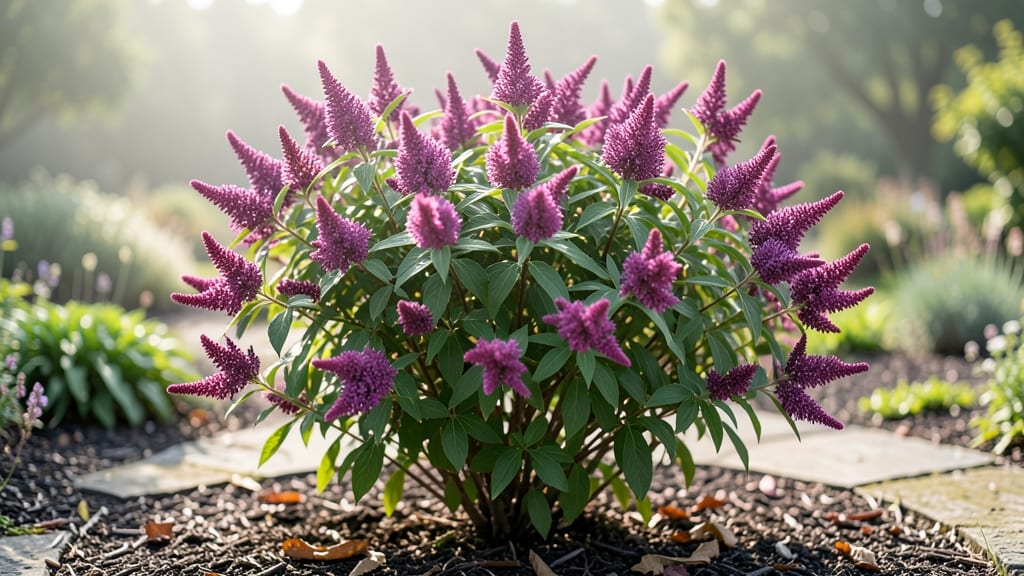
Your butterfly bush needs at least 6 hours of direct sunlight daily to thrive and burst into those showstopping blooms 🦋 — but not all sun exposure is equal, and getting it wrong can leave you with sparse flowers and leggy stems.
Picture this: you’ve planted your butterfly bush with good intentions, only to watch it struggle through the summer, leaves wilting or turning yellow, and blooms fewer than you expected.
The issue might not be your soil or watering routine — it could be that your plant isn’t getting the right kind of sunlight for its variety.
Sunlight isn’t just about hours; it’s about intensity, timing, and even your local climate. A butterfly bush in Zone 6a needs full sun to handle cooler mornings, while one in a hotter region might benefit from afternoon shade to prevent leaf scorch.
Below, I’ll break down how to read your plant’s signals, adjust for seasonal shifts, and position it for maximum blooms — no guesswork required.
You’ll discover how to spot signs of too much or too little sun, the best placement tricks for your garden, and how to tweak care routines for different cultivars. By the end, your butterfly bush will be the talk of the neighborhood — vibrant, healthy, and covered in butterflies.

How much sun does a butterfly bush need for optimal growth?
If you've ever watched your butterfly bush (Buddleia) produce sparse blooms or yellowing leaves, chances are its sunlight exposure isn't quite right. These sun-loving shrubs thrive when placed in the perfect balance of light, but too much or too little can drastically affect their performance.
Understanding your butterfly bush sun needs is the first step toward a garden bursting with fragrant flowers and fluttering pollinators.
The general rule is that butterfly bushes need at least 6 hours of direct sunlight daily, but some varieties can tolerate partial shade, especially in hotter climates. However, even these adaptable plants will reward you with vibrant blooms and lush foliage when given their ideal light conditions.
Let's break down exactly what that means for your garden.
Most butterfly bush varieties prefer full sun exposure, which means positioning them in a location where they receive 6 to 8 hours of direct sunlight daily.
This is especially true for dark-leaved varieties like 'Black Knight,' which can develop leaf scorch if exposed to intense afternoon sun without proper hydration. In hotter climates (USDA Zones 8-10), providing afternoon shade can prevent stress and improve overall plant health.
If you're in a cooler climate (USDA Zones 4-6), your butterfly bush can handle full sun all day long, as the cooler temperatures reduce the risk of heat stress. However, even in these regions, morning sun with afternoon shade can extend the blooming season by preventing wilting.
Pay attention to how your plant responds—if the leaves start to curl or crisp, it's a sign it's getting too much direct sun.
One of the most common mistakes I see is assuming that partial shade is always better for butterfly bushes. While some varieties like 'Lo & Behold® Blue Chip' can tolerate 3 to 6 hours of sunlight, they'll still produce far fewer blooms compared to their full-sun counterparts.
If you're limited on space or have a shady garden, consider choosing a dwarf variety or supplementing with grow lights to encourage flowering.
Seasonal adjustments are also key. In spring and fall, when sunlight is less intense, your butterfly bush can handle full sun exposure without issue.
However, during the peak summer months, especially in southern regions, providing 3 to 4 hours of afternoon shade can make a world of difference. This is particularly important for young plants that are still establishing their root systems.
Watch for these signs of insufficient sunlight: pale or yellowing leaves, sparse or no blooms, and weak, leggy growth. If you notice these symptoms, try moving your butterfly bush to a sunnier location or prune nearby trees/shrubs that might be casting shade.
Even a few extra hours of sunlight can transform a struggling plant into a blooming powerhouse.
For gardeners in urban areas with limited space, container growing is a great option. Place your butterfly bush in pots near a south-facing window or on a sunny balcony to ensure it gets the light it needs.
Just remember that containers dry out faster, so you'll need to water more frequently to prevent stress.
Finally, don't forget that butterfly bushes are not just about sunlight—they also need well-draining soil and regular pruning to encourage healthy growth. Once you've nailed down the sunlight requirements, focus on these other care factors to keep your plant thriving for years to come.
With the right light conditions, your butterfly bush will reward you with season-long blooms and a garden teeming with butterflies and hummingbirds.
5 Proven tips to maximize butterfly bush blooms in full sun
Your butterfly bush thrives in full sun, but simply planting it in a sunny spot isn't enough. Sunlight intensity, soil quality, and pruning timing all play critical roles in unlocking those vibrant blooms.
Many gardeners overlook these details, leading to sparse flowers or leggy growth. With the right approach, you can transform your Buddleia into a pollinator magnet that blooms abundantly from early summer through fall.
First, let's address the most common mistake: assuming all sunny locations are equal. Intense afternoon sun in hot climates can scorch leaves, while morning sun with afternoon shade creates a gentler microclimate. Understanding these nuances lets you position your plant perfectly for maximum blooms while protecting it from stress.
The key lies in balancing light exposure, water retention, and air circulation—all of which we'll tackle in actionable steps.
- 1. Position for Morning Sun: Plant your butterfly bush to receive 6+ hours of morning sun with 2-4 hours of afternoon shade in hot zones (Zones 8+). This prevents leaf scorch while maximizing photosynthesis for blooms.
- 2. Amend Soil with Sand: Well-draining soil is critical—mix in 20% coarse sand or perlite to prevent root rot. Butterfly bushes hate soggy roots, which leads to yellowing leaves and fewer flowers.
- 3. Water Deeply, Infrequently: Deep watering 2x weekly encourages strong root growth. Avoid shallow watering, which promotes weak stems and attracts pests like aphids that thrive on stressed plants.
- 4. Prune After Blooming: Cut back 1/3 of stems immediately after flowers fade. This removes spent blooms and redirects energy to next year's longer, fuller flower spikes.
- 5. Mulch Strategically: Apply 2-3 inches of mulch (wood chips or gravel) to retain moisture and regulate soil temperature. Keep mulch 6 inches away from the stem to prevent rot.
Let's dive deeper into watering schedules, which often make or break butterfly bush performance. Many gardeners overwater in an attempt to compensate for heat stress, but butterfly bushes are surprisingly drought-tolerant once established.
The secret is deep, infrequent watering—aim for 1-2 gallons per plant every 5-7 days during peak summer. Use a moisture meter to check soil dryness: if the top 2 inches are dry, it's time to water.
Overwatering triggers root rot and powdery mildew, both of which reduce blooming capacity.
For gardeners in partial-shade gardens, creating microclimates can work wonders. Try these tricks: plant your butterfly bush near a south-facing wall to reflect extra light, or pair it with taller sun-loving perennials like coneflowers that won't shade it out.
If your space only gets 4-6 hours of sun, choose dwarf varieties like 'Lo and Behold'—they tolerate lower light better than standard types. Remember, even in shade, direct sunlight hours matter more than total light duration.
Don't forget about seasonal adjustments—your care routine should shift with the sun's intensity. In early spring, when days are shorter, focus on light fertilization to jumpstart growth. By late summer, when temperatures peak, reduce watering slightly to encourage dormancy prep.
And in fall, prune lightly to remove any weak or diseased stems before winter. These small tweaks ensure your plant enters each season strong and ready to rebound with vibrant new growth.
With these sun-optimization strategies, your butterfly bush will reward you with longer bloom seasons and healthier foliage. The key is consistency—position wisely, water deeply, and prune strategically. Soon, your garden will become a butterfly buffet that neighbors will envy. Happy gardening! 🦋☀️