
Pruning
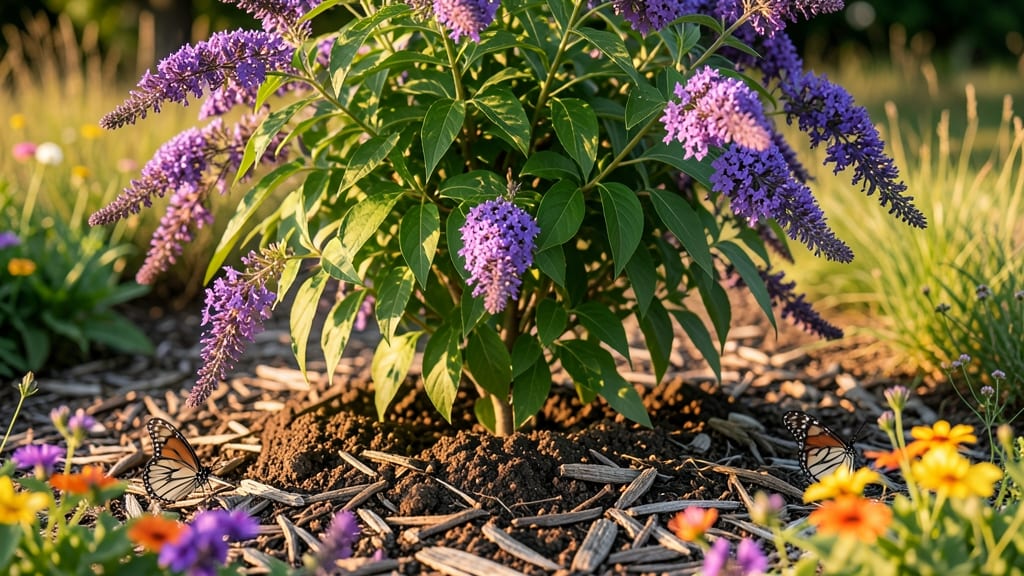
The right butterfly bush soil mix transforms a struggling shrub into a magnet for butterflies and bees. 🌿 My first butterfly bush nearly died because the soil was too dense—until I switched to a well-draining blend that mimics its natural habitat.
The difference was immediate: vibrant blooms, stronger stems, and a garden alive with wings.
Butterfly bushes thrive in slightly alkaline soil (pH 6.0-7.0) with good drainage—think sandy loam or amended garden soil. Too much clay or heavy soil leads to root rot, while rocky soil can stunt growth.
I add compost and coarse sand (50/50 mix) to improve aeration and moisture control, especially in clay-heavy regions like the Midwest.
With the right mix, you’ll see longer bloom seasons and plants that bounce back from drought. The key is regular mulching (2-3 inches of wood chips) to retain moisture while preventing compaction. Even in hot summers, these bushes stay lush and productive—no wilting or stress.
For container growing, use a fast-draining potting mix with perlite or pumice. In wet climates, raised beds with gravel at the bottom solve drainage issues. The goal? Soil that lets roots breathe while holding enough moisture to fuel those iconic purple blooms.
📚 In This Guide
- What you need
- Instructions
- Tips and common mistakes
- Wrapping up and next steps
What you need
- ● Native or well-draining garden soil – 50% of your mix (ensure it’s not compacted or clay-heavy).
- ● Compost or aged manure – 25% (boosts nutrients without being too heavy).
- ● Perlite or coarse sand – 20% (improves aeration and drainage).
- ● Peat moss or coconut coir – 5% (helps retain moisture while preventing sogginess).
- ● Garden trowel or spade – For mixing and amending soil.
- ● Wheelbarrow or large bucket – To blend ingredients easily.
- ○ pH testing kit – Optional but helpful (butterfly bushes prefer slightly acidic to neutral soil (6.0–7.0)).
- ○ Mulch (pine bark or wood chips) – Optional, but great for retaining moisture and suppressing weeds.
Creating the perfect butterfly bush soil mix for lush growth
Here’s how to craft a nutrient-rich, well-draining blend that keeps your butterfly bush thriving with bold blooms.
🌱 Step 1: Start with a Base of High-Quality Garden Soil
Begin with 2 parts garden soil—this provides essential nutrients and structure. I always use a mix that’s been composted for at least 6 months to avoid fresh organic matter, which can compact and suffocate roots. If your soil is heavy clay, blend it with 1 part coarse sand to improve drainage.
Test the soil’s moisture by squeezing a handful—it should hold together but crumble when released. If it sticks to your hands, it’s too clay-heavy. Amend it with 1 part perlite or pumice to lighten the texture and prevent waterlogging, which butterfly bushes hate.
🌿 Step 2: Add Organic Matter for Nutrient Density
Incorporate 1 part well-aged compost or 1 part leaf mold to feed the plant’s deep root system. This boosts microbial activity, which helps break down nutrients for vibrant blooms. I like to sift the compost to remove large chunks—those can mat down and block root growth.
For extra fertility, mix in ½ part worm castings (if available). They’re packed with slow-release nitrogen and beneficial microbes that encourage strong stems and abundant flowers. Work the organic matter into the soil until it’s evenly distributed—no clumps should remain.
💧 Step 3: Ensure Proper Drainage with Structural Amendments
Butterfly bushes thrive in well-draining soil—water should flow through easily but not wash away nutrients. Add 1 part coarse sand (like builder’s sand, not fine beach sand) or ½ part expanded shale to create air pockets. This prevents root rot, which is a common killer of these plants.
For a long-term solution, mix in ½ part composted bark fines (like pine bark fines). They improve aeration and retain moisture without compacting. After blending, rake the surface lightly to break up any large clumps—smooth soil encourages even root spread.
☀️ Step 4: Test and Adjust for Ideal Conditions
Dig a 6-inch deep hole where your butterfly bush will go and fill it with your custom mix. Before planting, check the moisture by pressing your finger 2 inches deep—it should feel damp but not soggy. If it’s too dry, water the hole until moisture reaches the bottom.
For established plants, top-dress the soil annually with 1-2 inches of compost in early spring. This replenishes nutrients without overwhelming the roots. Mulch with 2-3 inches of shredded bark to retain moisture and regulate soil temperature—just keep it 3 inches away from the trunk to prevent rot.
✂️ Step 5: Maintain Soil Health for Continuous Blooms
Butterfly bushes are heavy feeders, so fertilize twice a year: once in early spring with a balanced 10-10-10 fertilizer and again in mid-summer with a low-phosphorus, high-potassium blend to encourage fall blooms. Always water deeply 1 hour before or after fertilizing to prevent root burn.
Watch for yellowing leaves—this signals overwatering or nutrient deficiency. If the soil feels compacted after a few years, aerate it by gently fork-loosening the top 4 inches in spring. This keeps roots oxygenated and ready for another season of vibrant blooms.
Tips & tricks for perfect butterfly bush soil mix
Here's what I've learned after years of growing butterfly bushes—these little details make all the difference for vibrant blooms.
Soil Texture Secret: When blending your 2 parts garden soil with 1 part coarse sand, think of it like baking a cake—you want a light, airy texture. Mix thoroughly until you can't see any distinct layers. I use a sturdy garden fork to aerate the soil while blending, which creates tiny pockets that improve drainage. This prevents the dreaded root rot that can kill butterfly bushes.
The Compost Quality Factor: The 1 part well-aged compost is non-negotiable—fresh compost can actually harm your plant by compacting and suffocating roots. Look for compost that's dark, crumbly, and smells earthy (not rotten). If you're unsure, compost that's been aged for at least 6 months is your safest bet. For that extra boost, sift out any large chunks before mixing—think of it like sifting flour for pancakes, but for your soil!
Drainage Test: Before planting, do this quick test: Press your finger 2 inches deep into your mixed soil. It should feel damp but not wet—like a well-wrung sponge. If water beads up on the surface, you need more sand or perlite. If it feels dry, add a bit more compost. This simple check prevents the most common butterfly bush killer: waterlogged roots. Remember, these plants hate soggy feet!
Long-Term Soil Strategy: For established plants, make it a habit to top-dress with 1-2 inches of compost annually in early spring. This refreshes nutrients without overwhelming the roots. I also recommend adding ½ part composted bark fines to your initial mix—they improve aeration while retaining moisture, creating the perfect balance for continuous blooms all season.
Pro Tips for Butterfly Bush Soil
- Here's what I've learned after years of growing butterfly bushes—these little details make all the difference for vibrant blooms.
- Soil Texture Secret: When blending your 2 parts garden soil with 1 part coarse sand, think of it like baking a cake—you want a light, airy texture.
- The Compost Quality Factor: The 1 part well-aged compost is non-negotiable—fresh compost can actually harm your plant by compacting and suffocating roots.
Frequently asked questions
Got questions about butterfly bush soil? You’re not alone!
Here are answers to the most common concerns—so you can grow thriving, blooming bushes with ease.
What’s the best soil mix for butterfly bushes?
Butterfly bushes thrive in well-draining, slightly acidic to neutral soil (pH 6.0–7.0). A mix of 60% garden soil, 30% compost, and 10% sand or perlite works best. Avoid heavy clay—it causes root rot!
When is the ideal time to plant butterfly bushes?
Plant in early spring or fall when temperatures are mild (50–70°F). Avoid extreme heat or frost—roots need time to establish before stress. Pro tip: Water deeply after planting to settle the soil.
Can I grow butterfly bushes in containers?
Yes! Use a large pot (at least 15 gallons) with drainage holes and a fast-draining mix (50% potting soil, 30% perlite, 20% compost). Repot every 2–3 years and fertilize monthly during bloom season.
Why are my butterfly bush leaves turning yellow?
Yellow leaves often signal overwatering or poor drainage. Check soil moisture—it should dry slightly between waterings. If roots are soggy, amend soil with sand or perlite and reduce watering. Bonus: Yellowing can also mean nutrient deficiency—try a balanced fertilizer.
What’s a good alternative if my soil is too heavy?
If your native soil is clay-heavy, raise beds or plant in mounded soil to improve drainage. Add organic matter (leaf mold or peat moss) to loosen texture. For extreme cases, consider container growing—it gives you full control!
Wrapping up and next steps
Growing a thriving butterfly bush is all about giving its roots the right foundation—well-draining, nutrient-rich soil that keeps it happy and blooming season after season! 🌸 By blending organic matter, sand, and the perfect pH balance, you’re setting your plant up for success.
Whether you’re a gardening newbie or a seasoned pro, the key is patience and observation—watch how your bush responds, and adjust as needed.
Ready to see those vibrant blooms take center stage? Start by testing your soil this weekend—your butterfly bush (and local pollinators!) will thank you. Happy gardening! 🌿