
Pruning
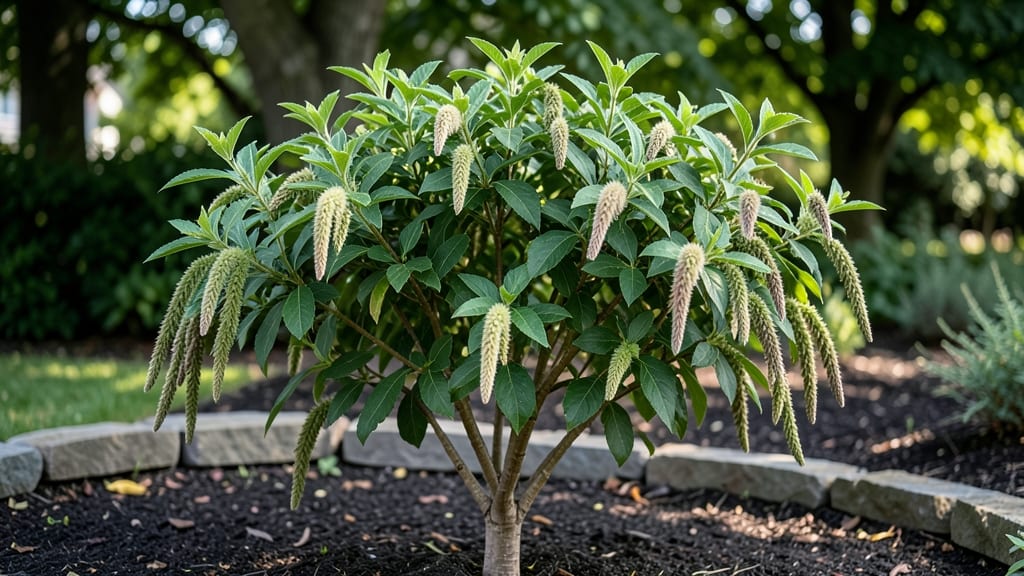
Butterfly bush buds are where the magic happens—those fuzzy little nubs that turn into clouds of fragrant blooms. 🌿 I've watched mine transform from winter twigs to summer showstoppers, and the secret lies in understanding when they form and how to protect them.
Most gardeners prune too late, missing the perfect window to encourage next year's buds while keeping this year's flowers vibrant.
The buds form on new wood in late summer, but they need a strong framework to thrive. That means pruning in early spring—right after the last frost—before new growth starts.
Give your bush 6-8 hours of sunlight daily, water deeply when the top inch of soil dries, and avoid heavy fertilizers that encourage leafy growth over buds. My bushes now bloom from June through frost because I treat bud development like a priority, not an afterthought.
You'll know you're doing it right when you see those fuzzy buds swelling in late summer—proof your plant is storing energy for next year. The fragrance alone makes it worth the effort, but the real payoff is watching butterflies swarm your garden like a living perfume factory.
Just be patient: buds take time to mature, and rushing the process leads to weak blooms or bud drop.
Troubleshooting is simple once you recognize the signs. Bud drop? Too much moisture or sudden temperature swings. Poor blooms? Over-pruning or not enough sunlight. The key is consistency—treat your butterfly bush like the long-term investment it is, and it'll reward you with years of effortless fragrance and color.
Now, let's get those shears ready for spring!
📚 In This Guide
- What you need
- Instructions
- Tips and common mistakes
- Wrapping up and next steps
What you need
- ● Pruning shears: Bypass pruners (sharp, clean, and sterilized—think 4-6" blades) for clean cuts.
- ● Loppers: 8-10" long for thicker stems (2-3" diameter).
- ● Garden gloves: Heavy-duty, cut-resistant (e.g., mechanix or workrite brands).
- ● Disinfectant: 70% isopropyl alcohol or a pruning sealant (e.g., Tanglefoot Pruning Seal).
- ○ Buckets or bags: 2-3 gallon-sized containers for clippings (optional: compostable bags).
- ● Water: Small spray bottle or hose for rinsing tools between cuts.
- ● Safety goggles: Protect your eyes from debris (especially if pruning near roads).
- ● Knee pads: For comfort if your bush is tall or ground-level pruning is needed.
- ● Marking twine: To tag branches for future reference (e.g., color-coded twine).
- ● Pruning saw: For stubborn, woody stems (10-12" blade).
- ● Notebook: To jot down pruning notes (e.g., "cut back 1/3 in March").
How to master butterfly bush buds for continuous blooms
Here's the proven technique I use to keep butterfly bushes flowering nonstop—no more summer slump, just lush fragrance all season.
🌿 Step 1: Identify and Locate New Buds
Butterfly bushes form buds along last year's growth, so start by examining each stem carefully. Look for small, rounded swellings about ½ inch wide—these are your future blooms. I run my fingers along each branch in early spring to locate them before new growth obscures them.
Healthy buds appear firm and plump, not shriveled or hollow. If you find any dried or deformed buds, pinch them off immediately—they'll only drain energy from stronger growth. Mark your calendar for late winter to early spring, when buds are visible but before leaves emerge.
✂️ Step 2: First Deadheading for Spring Blooms
Once buds open into flowers, remove spent blooms by cutting the stem ¼ inch above the next set of buds. This prevents seed formation and redirects energy to new growth. I use clean, sharp pruners to make a clean cut—never tear stems, which invites disease.
Here's the key: deadhead every 7-10 days during peak bloom. You'll know you're doing it right when you see fresh buds forming below the cut within 2-3 weeks. Avoid cutting into old wood (brown, woody stems)—you'll sacrifice next season's blooms.
🌱 Step 3: Mid-Season Rejuvenation Pruning
By mid-summer, butterfly bushes often show signs of fatigue—long stems with sparse blooms. This is your cue for a light pruning. Cut back ⅓ of the oldest stems to the ground, selecting the thinnest, least productive branches first. This forces new, vigorous growth from the base.
After pruning, fertilize with a balanced 10-10-10 formula to support regrowth. Within 4-6 weeks, you'll see fresh buds forming on these new stems. I always prune on a dry morning to reduce stress on the plant and minimize disease risk.
🌿 Step 4: Fall Preparation for Winter Buds
Stop deadheading by mid-autumn (around October in most climates) to allow seed pods to form. These pods contain next year's flower buds. Leave the stems intact until they turn brown and crispy—this natural process ensures robust bud formation.
Once stems are fully dormant, prune back ⅓ of the plant to remove dead wood, but leave the remaining stems 12-18 inches tall. This height protects buds from winter kill while allowing sunlight to reach them in spring. Mulch heavily around the base with 3-4 inches of organic mulch to insulate roots.
⏰ Step 5: Winter Care for Early Spring Buds
During winter, protect young plants from harsh winds by wrapping them in burlap or frost cloth if temperatures drop below 10°F. In early spring, remove any damaged or broken stems, but leave intact buds untouched. Apply a high-phosphorus fertilizer (5-10-5) to encourage strong root and flower development.
Watch for buds to swell in late February to early March. This is your signal to resume regular deadheading. The first flush of spring blooms will appear within 6-8 weeks of bud swell, and with consistent care, your butterfly bush will reward you with continuous fragrance through fall.
Tips & tricks for perfect butterfly bush buds
Took me years to perfect these tricks—here's how I keep my butterfly bushes blooming like clockwork without the guesswork.
Bud Identification: In Step 1, when inspecting those ½-inch buds, run your thumb along the stem to feel for firmness. Healthy buds should feel like a small marble—slightly resistant but not hard. I learned this the hard way after pruning off perfectly good buds that I misidentified as dried out. Use a small magnifying glass if your eyes aren't what they used to be!
Pruning Precision: For Step 2's ¼-inch cut above buds, I mark the spot with a white pencil before cutting—this ensures consistent spacing every time. The key is to cut at a 45-degree angle just above a leaf node where new growth emerges. This angled cut prevents water from pooling on the stem, which can cause rot. I keep a small notebook to track which stems I've pruned to avoid over-cutting.
Seasonal Timing: The 7-10 day deadheading schedule in Step 2 works best when you start right as buds open. I set phone reminders for every 8 days during peak bloom to stay consistent. In Step 4, when stopping deadheading by mid-autumn, I check my local frost date—if we have early frosts, I push that deadline to November 1st to ensure seed pods develop properly for next year's blooms.
Winter Protection: When wrapping plants in burlap or frost cloth below 10°F (Step 5), I secure the fabric tightly with twine but leave the top open to prevent moisture buildup. I also avoid wrapping completely—just the most vulnerable new growth. This winter care is what transforms a one-season wonder into a year-round fragrance machine.
Pro Tips for Butterfly Bush Buds
- Took me years to perfect these tricks—here's how I keep my butterfly bushes blooming like clockwork without the guesswork.
- Bud Identification: In Step 1, when inspecting those ½-inch buds, run your thumb along the stem to feel for firmness.
- Pruning Precision: For Step 2's ¼-inch cut above buds, I mark the spot with a white pencil before cutting—this ensures consistent spacing every time.
Frequently asked questions
about butterfly bush buds—your go-to guide for keeping those fragrant blooms thriving year-round!When is the best time to deadhead butterfly bush buds?
Deadhead Buddleia (butterfly bush) buds right after flowering—typically late summer to early fall. This encourages new growth and prevents seed formation, which can drain energy. For spring bloomers, trim spent blooms in late winter or early spring before new buds form. Pro tip: Wear gloves—those seed pods can be sticky!
How often should I deadhead butterfly bush buds?
For continuous blooms, deadhead every 2-4 weeks during the growing season (spring to fall). If you miss a cycle, don’t stress—just snip the oldest flowers first. Over-deadheading can stress the plant, so balance it with occasional light pruning to shape the bush.
What if my butterfly bush buds aren’t opening?
Buddleia buds may fail to open due to overcrowding, poor light, or pests. First, check for aphids or spider mites (spray with neem oil if needed). Ensure the plant gets full sun (6+ hours daily) and prune back 1/3 of the oldest growth to improve airflow. If buds form but drop, it could signal underwatering—keep soil consistently moist but not soggy.
Can I use butterfly bush buds for anything other than deadheading?
While deadheading is the main goal, you can also harvest buds for crafts (they dry beautifully) or compost spent blooms. Avoid using them in culinary dishes—butterfly bushes are toxic to humans and pets if ingested. Stick to ornamental uses like potpourri or dried arrangements!
Should I deadhead butterfly bush buds in winter?
No—wait until spring for winter deadheading! Butterfly bushes are dormant in cold climates (USDA Zones 5-9). Prune lightly in late winter (before buds swell) to shape the plant and remove dead wood. Avoid heavy cuts in winter, as new growth can freeze back in harsh climates.
| Quick Troubleshooting | Solution |
|---|---|
| No buds forming | Fertilize with low-nitrogen, high-phosphorus (e.g., 5-10-10) in early spring. |
| Leggy growth | Prune back 1/3 of the plant in late winter to encourage bushier growth. |
| Fungal spots on leaves | Remove affected leaves and apply fungicide (copper-based works well). |
Wrapping up and next steps
Mastering the art of deadheading butterfly bush buds transforms your garden into a year-round fragrant haven while keeping your plants thriving. By following the right techniques—like timing, tools, and seasonal care—you’ll enjoy longer blooms, healthier growth, and a buzzing ecosystem of pollinators. 🌿
Ready to elevate your gardening game? Start small: pick a single bush, gather your tools, and practice the steps you’ve learned. Before you know it, your garden will be the talk of the neighborhood—one fragrant, blooming bush at a time! 🌸