
Pruning
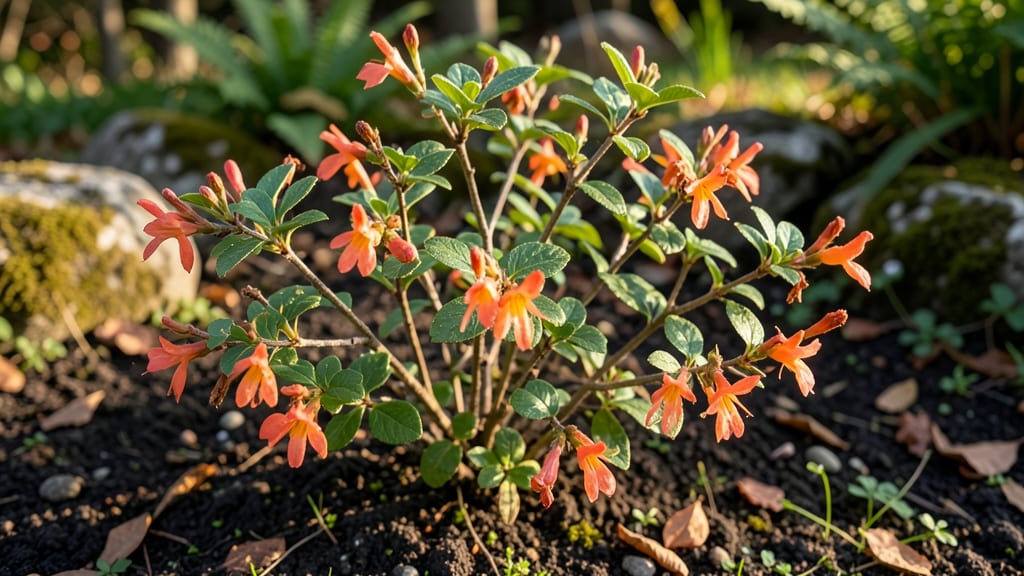
Late-season pruning of the bush honeysuckle in winter transforms next year’s growth from scraggly to shockingly lush—and it’s easier than you think. I’ve watched my own bushes go from tangled messes to vibrant, productive shrubs by following just three simple cuts.
The key isn’t timing so much as how you prune, and I’ll show you exactly where to make those snips for maximum spring rebirth. Most gardeners wait until spring, but late-winter pruning—right before buds swell—gives your honeysuckle a head start.
You’ll remove dead wood, shape the plant, and encourage stronger branches before the growing season even begins. Even in colder zones (down to USDA Zone 4!), this method works if you time it right—just don’t prune when frost is still lingering.
By the time summer rolls around, you’ll have denser foliage, more flowers, and branches that hold their shape without flopping. The berries (if you’re growing a fruiting variety) will be plentiful too, and the birds will thank you for the extra snack bar.
It’s the one pruning task that actually pays off in visible results. Here’s the catch: if you’re in a warmer zone (Zones 7-9), you’ve got a little more flexibility with timing. But no matter where you garden, the same principles apply—clean cuts, sharp tools, and a little patience.
Let’s get those shears ready!
📚 In This Guide
- What you need
- Instructions
- Tips and common mistakes
- Wrapping up and next steps
What you need
- ● Pruning shears or loppers: Sharp, bypass-style (not anvil) for clean cuts. Choose 5- to 8-inch blades for thick stems (up to 1-inch diameter). Disinfect with rubbing alcohol between cuts to prevent disease.
- ● Hand pruners: For smaller branches (¼-inch diameter). Opt for ergonomic grips to reduce hand fatigue.
- ● Gloves: Heavy-duty, cut-resistant gloves (e.g., mechanized or leather) to protect against thorns and blisters.
- ● Ladder or step stool: If your honeysuckle is 6+ feet tall, use a stable, 3-sided ladder with non-slip feet.
- ● Trash bags or compost bin: For 3–5 gallons of pruned debris (depending on plant size). Line bags for easy disposal.
- ○ Marking twine or flags: Colored twine (e.g., red/blue) to tag branches for future reference (optional but helpful).
- ● Pruning sealant: Wound dressing (e.g., Tanglefoot Tree Wound Pruning Sealer) for large cuts to reduce sap loss.
- ● Work apron with pockets: To stash tools and gloves while you work.
- ● Safety glasses: Protect your eyes from flying debris or sap splatters.
- ● Notebook or app: Sketch your honeysuckle’s structure before pruning (e.g., iNaturalist or a simple sketchbook).
- ● Mulch or compost: 2–3 inches of wood chips or straw to protect roots post-pruning.
Instructions for late-season pruning of bush honeysuckle
Here's how to prepare your shrubs for winter while setting them up for a stronger, more vibrant spring.
Time Your Pruning for Optimal Winter Prep
Prune bush honeysuckle after the first hard frost but before the ground freezes solid—typically between late November and early December in most climates. This timing lets the plant harden off naturally while removing dead or weak growth before winter dormancy. You'll know it's the right moment when leaves have fallen and new growth has stopped entirely.
Never prune in late winter or early spring, as this encourages tender new growth that can't survive subsequent frosts. If you missed the window, wait until early spring before pruning to avoid stressing the plant. I always mark my calendar with the average first frost date to plan this critical timing.
Remove Dead, Diseased, or Weak Wood
Start by inspecting each branch carefully. Cut out any dead wood (brown, brittle stems with no green underneath when scratched) and diseased wood (blackened, moldy, or oozing areas). Use clean, sharp pruners to make cuts at a 45-degree angle just outside the branch collar—the swollen area where the branch meets the trunk.
Thin out crowded branches to improve airflow, which prevents fungal diseases like powdery mildew. I look for branches growing inward or crossing others and remove them entirely at the base. This ensures light and air reach the center of the shrub, promoting healthier growth next season.
Shape the Shrub for Balanced Growth
Step back and visualize the shrub's natural shape. Use your pruners to trim back overgrown branches to create an open, rounded form. Focus on maintaining a strong central leader (the main upright stem) and removing any water sprouts (fast-growing, vertical shoots with no leaves). Cut these back to a lateral branch or bud.
For bush honeysuckle, I aim for a multi-stemmed, vase-like shape that allows sunlight to penetrate to the lower branches. Avoid shearing—this shrub responds best to selective pruning rather than harsh cuts. If a branch is too large to cut by hand, use a pruning saw to make clean cuts without tearing the bark.
Clean Up and Protect the Base
After pruning, gather all clippings and dispose of them in a sealed bag or burn pile—never leave them on the ground, as they can harbor pests and diseases. Rake away any fallen leaves or debris from the base of the shrub to reduce overwintering pests like spider mites.
Apply a 2-3 inch layer of mulch around the base, keeping it 6 inches away from the trunk to prevent rot. I use shredded bark or wood chips, which insulate roots from temperature swings. Water the base deeply before the first hard freeze to ensure the plant enters dormancy with adequate moisture.
Monitor and Plan for Spring
Check your pruned shrubs occasionally during winter to ensure they're holding up well. If heavy snow accumulates, gently brush it off branches to prevent breakage. Note any areas where growth was particularly weak—these may need extra attention in spring, like fertilizing or staking.
In early spring, before buds swell, give your bush honeysuckle a light pruning to remove any remaining dead wood or frost-damaged tips. This final touch encourages fresh, vigorous growth. I always take photos of my pruned shrubs in winter to compare their shape with spring regrowth—it’s a great way to track progress!
Tips & tricks for perfect late-season pruning of bush honeysuckle
Getting the timing and technique right makes all the difference for winter-hardy shrubs that thrive next spring.
Timing is Everything: The window between late November and early December is ideal because the plant has already hardened off but hasn't yet entered full dormancy. I check my local frost date calendar and mark it on my gardening planner—this ensures I don't miss the perfect moment when leaves have fallen but new growth has stopped. If you're unsure, scratch a small branch: if it's green underneath, wait a few more days.
Tool Preparation Matters: Before you start, sharpen your pruners and clean them with rubbing alcohol to prevent spreading diseases between cuts. I also keep a small bucket of soapy water nearby to dip pruners between cuts on diseased branches—this simple step prevents cross-contamination. For larger branches, a pruning saw with a fine-tooth blade will give you cleaner cuts without tearing the bark.
Shape with Purpose: When shaping your bush honeysuckle, think about sunlight penetration. I always step back and visualize how light will move through the shrub in spring. Aim for an open, vase-like shape that allows sunlight to reach all branches. This prevents the center from becoming too dense, which can lead to fungal issues. Remember, selective pruning works better than shearing—focus on removing specific branches rather than making uniform cuts.
Winter Care After Pruning: After you've finished pruning, don't forget the post-care routine. I always apply a 2-3 inch layer of mulch around the base, keeping it 6 inches away from the trunk to prevent rot. This protects roots from temperature swings and helps retain moisture. Water deeply before the first hard freeze to ensure the plant enters dormancy with adequate moisture—this makes all the difference for spring regrowth.
Pro Tips for Bush Honeysuckle Winter
- Getting the timing and technique right makes all the difference for winter-hardy shrubs that thrive next spring.
- Timing is Everything: The window between late November and early December is ideal because the plant has already hardened off but hasn't yet entered full dormancy.
- Tool Preparation Matters: Before you start, sharpen your pruners and clean them with rubbing alcohol to prevent spreading diseases between cuts.
Frequently asked questions
Got questions about pruning bush honeysuckle in winter? You’re not alone!
Here are some of the most common concerns—and straightforward answers—to help you tackle late-season pruning with confidence.
When is the absolute latest I can prune bush honeysuckle before winter?
Prune bush honeysuckle after the first hard frost (typically late November to early December in most climates) but before new growth starts in spring. This timing ensures dormancy while minimizing stress on the plant. Avoid pruning in freezing temps—wait for a mild winter day (above 32°F/0°C) for cleaner cuts and faster healing.
Do I need to sterilize my pruners between cuts?
Yes!
Sterilizing tools prevents spreading fungal diseases (like powdery mildew) or bacterial infections. Wipe blades with 70% isopropyl alcohol or a 10% bleach-water solution (1 part bleach to 9 parts water) after every 3–5 cuts. For heavy infestations, sanitize between each plant. Pro tip: Carry a small spray bottle of rubbing alcohol in your tool bag for on-the-go disinfection.
What if I accidentally prune too much—will my bush honeysuckle survive?
Bush honeysuckle is tougher than it looks! While it’s best to remove no more than 1/3 of the plant’s total growth, even aggressive pruning (like cutting back to 12–18 inches) won’t kill it. Focus on healthy stems—avoid over-pruning weak or diseased wood. Water deeply after pruning to help recovery. Bonus: Over-pruned plants may bloom later but will bounce back with vigorous growth next season.
Can I use the pruned branches for anything?
Absolutely!
Pruned branches make great:
- Wildlife habitat: Leave some in a brush pile for birds and pollinators.
- Compost: Chop smaller branches and add to your compost bin (they break down slowly).
- Firewood (if dry): Let branches cure for 6+ months before burning.
- Natural mulch: Spread larger pieces around perennials to suppress weeds.
How do I know if I’ve pruned at the right time—what are the signs?
Check these 3 key signs you’ve timed it right:
- Leaves are brown and crispy: Indicates dormancy (ideal for pruning).
- No green buds: Avoid pruning if you see any signs of new growth.
- Ground is frozen (but air isn’t): A light frost on the soil means roots are protected.
Wrapping up and next steps
Mastering the art of late-season pruning for bush honeysuckle isn’t just about tidying up—it’s about setting the stage for a vibrant, healthier plant next spring. By removing dead wood, thinning dense growth, and sharpening your tools, you’re giving your honeysuckle the best shot at thriving in the seasons ahead. 🌿✨
Ready to put your new skills to work? Grab your pruners, lace up your boots, and take action before winter’s chill sets in. Your future blooms will thank you!