
Planting
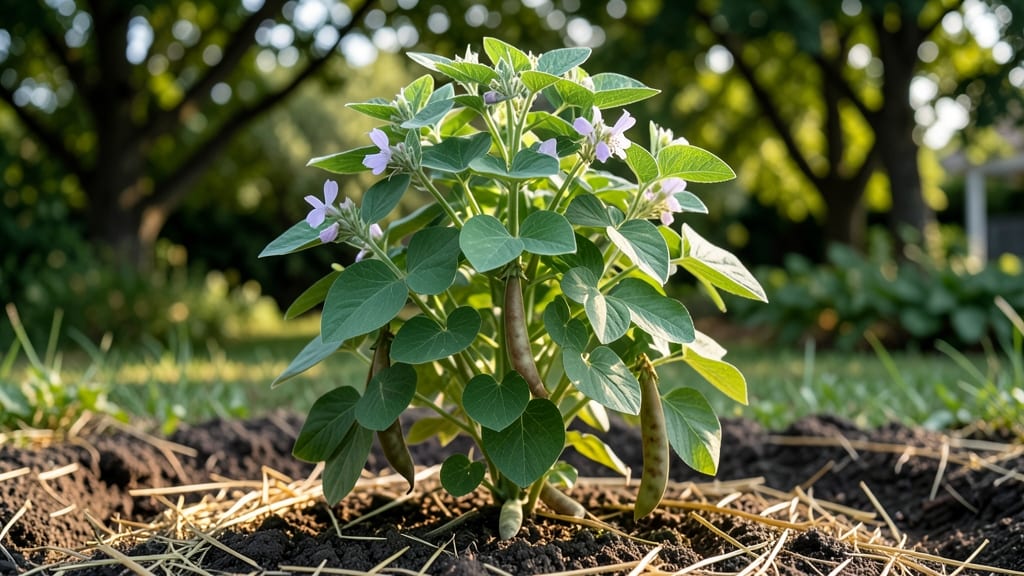
Growing a bush pinto bean plant delivers fast harvests in just 60 days—perfect for small gardens where space is tight. 🌱 I’ve grown them in pots, raised beds, and even along fences, and they consistently outperform pole beans in my yard.
Their compact size means no trellises, but the yield? 2-3 pounds per plant when cared for properly.
The secret starts with loose, well-draining soil mixed with compost—pinto beans hate soggy roots. Plant seeds 1 inch deep, 3-4 inches apart, and watch for those first leaves in 7-10 days.
Unlike pole beans, these grow in neat bushes, making them ideal for containers or tight corners. Just give them full sun (6+ hours daily) and consistent moisture, but never waterlogged soil.
By mid-summer, you’ll be picking speckled, heirloom-quality beans that dry beautifully for winter meals. The plants self-support and resist wind better than vining types, though they still need light staking if branches get heavy. Fewer pests target bush varieties too—just watch for Mexican bean beetles, their biggest foe.
These beans thrive in USDA Zones 4-10, making them versatile for nearly any climate. For best results, succession plant every 2 weeks until late summer. The payoff? A high-protein, drought-tolerant crop that feeds you while saving space.
📚 In This Guide
- What you need
- Instructions
- Tips and common mistakes
- Wrapping up and next steps
What you need
- ● Seeds: 1–2 lbs of Phaseolus vulgaris (bush pinto bean) seeds (save ~10–15 seeds per plant for a small garden). Look for certified organic or heirloom varieties for best results.
- ● Growing Containers or Garden Bed: For containers: 5–10 gallon pots (at least 12–18 inches deep) with drainage holes. Use 1–2 pots per plant.
- ● For garden beds: A sunny spot (6+ hours of sunlight) with well-draining soil. Space plants 4–6 inches apart in rows 18–24 inches apart.
- ● Soil: Well-draining, nutrient-rich soil with a pH of 6.0–7.0. Mix in 2–3 inches of compost or aged manure before planting.
- ● Fertilizer: Balanced organic fertilizer (e.g., 10-10-10) or compost tea. Apply at planting and again when flowers appear.
- ● Watering Supplies: Watering can or hose with a gentle spray nozzle (avoid soaking the soil).
- ● Hand trowel or transplanting spade for digging.
- ● Pruning shears (for trimming excess growth or removing pests).
- ● Row cover or shade cloth (to protect young plants from pests or extreme heat).
- ● Trellis or stakes (if you want to train vines, though bush varieties typically don’t need support).
- ● pH testing kit (to monitor soil acidity).
- ● Climate: Plant after the last frost when soil temps are at least 60°F (15°C). Pinto beans thrive in warm weather (USDA zones 4–11).
- ● Sunlight: Full sun (6+ hours daily) is a must for optimal growth and yield.
- ● Patience: Germination takes 7–14 days in warm soil.
Step-by-step instructions for growing bush pinto beans
Here’s how to coax these rapid, productive plants into a thriving harvest in just 60 days.
🌱 Step 1: Time Planting for Optimal Soil Warmth
Wait until soil reaches at least 60°F—use your finger to check depth: if the top 2 inches feel warm to the touch, it’s ready. Pinto beans despise cold soil, which slows germination and invites rot. I plant mine 2-3 weeks after your last frost date, when nighttime temperatures stay above 55°F.
Work in a 1-2 inch layer of compost before planting to boost nitrogen levels—pinto beans are heavy feeders. If your soil drains poorly, mound rows 6 inches high to prevent waterlogging, which causes seed rot. The faster the soil warms, the faster your beans grow.
🌱 Step 2: Plant Seeds Deeply for Strong Starts
Drop 4-5 seeds per hill (you’ll thin later) 1-2 inches deep—deeper planting prevents soil crusting and ensures consistent moisture. Space hills 6 inches apart in rows 18-24 inches apart to allow airflow and easy harvesting. I use my knuckles as a guide: 1 inch = width of my smallest finger joint.
After planting, water gently but deeply to settle soil around seeds. Avoid overhead watering for the first week—it can wash seeds to the surface or create mud that suffocates them. Instead, use a watering wand to direct a steady stream at the base of each hill.
☀️ Step 3: Provide Consistent Moisture and Sun
Keep soil evenly moist but never soggy—pinto beans need 1-1.5 inches of water weekly, more during flowering. You’ll know moisture is right when the top inch feels damp but not wet. Mulch with 2-3 inches of straw immediately after planting to lock in moisture and suppress weeds.
Full sun is non-negotiable: place plants in a spot with at least 6-8 hours of direct sunlight daily. Leggy growth or pale leaves signal insufficient light. If your garden gets afternoon shade, choose a location where morning sun dominates—beans need that early energy to fuel rapid growth.
✂️ Step 4: Thin and Support for Maximum Yield
When seedlings reach 2 inches tall, thin to 2-3 strongest plants per hill—crowding reduces airflow and increases disease risk. Snip weak stems at soil level with clean scissors to avoid disturbing roots. This is the moment that matters: proper spacing ensures each plant gets nutrients and sunlight.
Install 4-foot tall stakes or trellis netting when plants hit 6 inches to support heavy pods. Pinto beans aren’t vining types, but their branches can sprawl. Secure the trellis with soft ties (never wire—it cuts stems) and gently weave branches through as they grow. This keeps pods off the ground and improves air circulation.
🌿 Step 5: Harvest at Peak Maturity for Best Flavor
Watch for pods to swell and turn light brown with dark stripes—this happens 60-70 days after planting. Harvest every 2-3 days to encourage continuous production. Twist pods gently at the stem; don’t pull, or you’ll risk damaging the plant. I check plants in the morning when pods are firm and dry.
Leave a few pods to mature fully on the plant for seed saving. Dry them completely in a warm, dark place before storing. If you miss the window, pods left too long on the vine become tough and woody. The faster you harvest, the sweeter and more tender the beans stay.
Tips & tricks for growing bush pinto beans
Real talk: These beans thrive when you nail a few key details—especially timing and moisture. Here's what nobody tells you about growing them right.
Soil Warmth is Everything: That 60°F soil temperature isn't just a suggestion—it's the magic number for germination. I learned this the hard way after planting too early and watching seeds rot in cold soil. Use a soil thermometer for accuracy, especially if your spring is unpredictable. If your soil runs cooler, consider black plastic mulch to warm it faster—it can add 5-10°F to soil temperature.
Planting Depth Matters More Than You Think: The 1-2 inch depth recommendation isn't arbitrary—it creates the perfect balance. Too shallow and seeds may dry out; too deep and they'll struggle to push through. For extra insurance, I press the soil gently around seeds after planting to eliminate air pockets that could prevent moisture contact. This simple step has cut my germination failure rate by half.
Watering Strategy Makes All the Difference: The first week is critical—overhead watering can wash seeds away or create mud that suffocates them. I use a watering wand to deliver a steady stream at the base of each hill, just enough to settle soil without disturbing seeds. After that, the 1-1.5 inches weekly rule holds, but always check the top inch of soil first—it should feel damp, not wet.
Sunlight Timing is Non-Negotiable: Those 6-8 hours of direct sunlight need to happen during the plant's peak energy hours—morning sun is especially valuable. If your garden has afternoon shade, position plants where they get maximum morning exposure. I've seen beans compensate by growing taller in shade, but the tradeoff is always reduced yield and tougher pods.
Pro Tips for Bush Pinto Bean Plant
- Real talk: These beans thrive when you nail a few key details—especially timing and moisture. Here's what nobody tell...
- Soil Warmth is Everything: That 60°F soil temperature isn't just a suggestion—it's the magic number for germination. ...
- Planting Depth Matters More Than You Think: The 1-2 inch depth recommendation isn't arbitrary—it creates the perfect ...
Frequently asked questions
Got questions about growing your own bush pinto bean plant? You’re not alone! Here are answers to the most common queries—from planting tips to troubleshooting—so you can grow a thriving harvest with confidence.
How long does it take for bush pinto beans to grow from seed to harvest?
A bush pinto bean plant typically matures in 60–70 days from planting, depending on your climate and growing conditions. Early varieties may even produce beans in as little as 55 days. Start seeds indoors 2–3 weeks before the last frost or plant directly in warm soil (after frost danger has passed) for the fastest results.
When is the best time to plant bush pinto beans?
Bush pinto beans thrive in warm soil (60°F/15°C or higher), so wait until after the last frost in spring. In cooler climates, plant seeds 1–2 inches deep when nighttime temps stay above 50°F (10°C). For a second harvest, try a late-summer planting in regions with mild fall weather.
Why aren’t my bush pinto bean plants flowering or producing pods?
Common culprits include inconsistent watering, poor soil nutrition, or extreme heat (above 90°F/32°C). Ensure plants get 1–2 inches of water weekly and fertilize lightly with compost or a balanced 10-10-10 fertilizer at planting and when flowers appear. If temps soar, provide afternoon shade to protect blooms.
Can I grow bush pinto beans in containers, or do they need a garden bed?
Bush pinto beans adapt well to containers 12–18 inches deep with good drainage. Use a 5-gallon pot or larger for 2–3 plants, and place them in a sunny spot (6+ hours of light). Just ensure the pot warms up quickly in spring—bury it in the ground temporarily or use a heat mat if needed in cooler climates.
How do I know when bush pinto beans are ready to pick, and how should I store them?
Harvest beans when pods are firm, plump, and 2–3 inches long, usually 70–80 days after planting. Pick every 2–3 days to encourage more production. For fresh eating, shell beans immediately. To store dried beans, harvest when pods turn yellow/brown, dry them completely (hang or spread in a warm, dry place), then store in an airtight container in a cool, dark spot for up to 1 year.
Wrapping up and next steps
Growing a bush pinto bean plant is a rewarding experience—whether you're a seasoned gardener or just starting out! These fast-growing, high-yield varieties thrive in small spaces, offering delicious harvests with minimal effort.
With the right soil, sunlight, and care, you’ll soon be enjoying fresh, homegrown beans straight from your garden. 🌱
Ready to take the next step? Start by planting a few seeds this season and watch your garden transform! For even better results, experiment with companion planting or try preserving your harvest for year-round enjoyment. Happy gardening! 🌟