
Picking
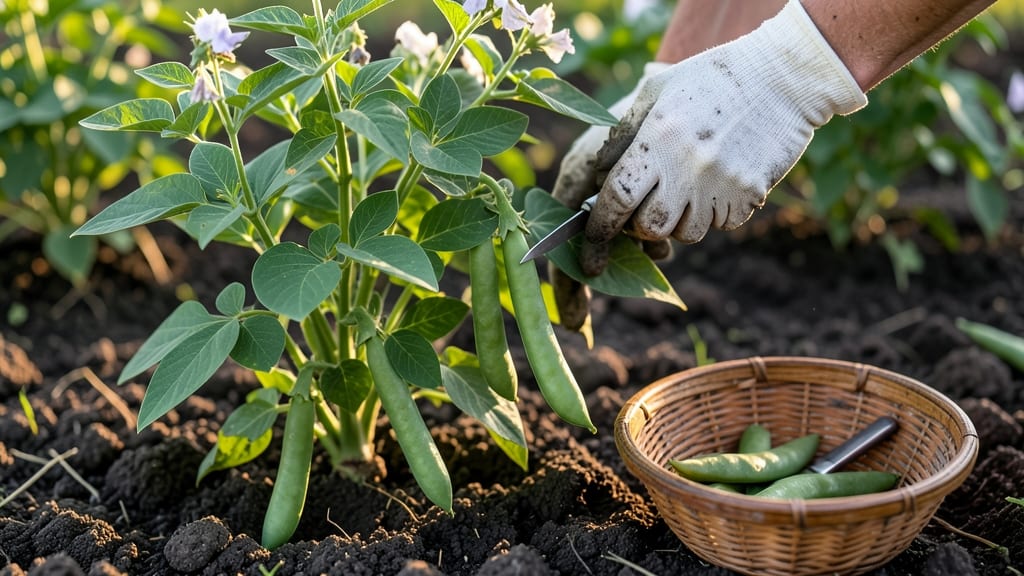
Harvesting bush beans at the right time ensures you get tender, flavorful pods instead of tough, stringy ones—so timing is everything for a great harvest.
Picture this: you’ve nurtured your 🌱 bush beans all season, and now you’re staring at pods that could be perfect—or just past their prime. One wrong move, and you’re left with beans that snap like twigs instead of yielding to a gentle pull.
The difference between a delicious harvest and a disappointing one often comes down to knowing when to pick.
Most bush beans reach peak flavor between 50 and 60 days after planting, typically landing in your garden between June and August. But here’s the catch: waiting too long turns crisp pods into woody sticks, while picking too early means missing out on full size and sweetness.
I’ll show you how to spot the perfect moment—when pods are firm, 4 to 6 inches long, and just starting to show tiny seeds—so you never miss the window again.
Beyond the basics, I’ll share pro tips for extending your harvest season, avoiding common mistakes, and even how to store your freshly picked beans to keep them fresh longer.
Whether you’re a first-time gardener or a seasoned pro, these tricks will help you turn your bush bean patch into a flavor-packed success every time.

Optimal bush bean harvest time by variety and growth stage
Harvesting bush beans at the right moment transforms your garden from a sea of green into a bounty of tender, flavorful pods. Unlike their pole bean cousins, bush beans mature quickly—typically within 50-70 days—but their peak harvest window is surprisingly narrow.
Missing it means tough, stringy beans that lose their sweetness faster than a wilting marigold in the afternoon sun.
Every bush bean variety has its own ideal harvest window, influenced by factors like pod size, color, and even the time of day you pick.
For example, green beans like 'Blue Lake' and 'Kentucky Wonder' reach peak flavor when pods are 4-6 inches long, while wax beans (like 'Golden Wax') should be harvested slightly earlier at 3-5 inches to prevent waxiness.
Understanding these nuances ensures you're not left with overripe pods that turn woody overnight.
Plant maturity also plays a critical role in determining harvest time. While most bush beans are ready around 60 days after planting, some varieties like 'Contender' or 'Provider' may take up to 70 days. The key is to monitor your plants closely—once the first pods form, count backward from the variety's days-to-maturity to estimate your harvest window. This proactive approach prevents missed opportunities and maximizes your yield.
Here’s a quick reference for the most popular bush bean varieties and their ideal harvest windows:
Beyond variety, the growth stage of your bush beans dictates when to harvest. Early in the season, focus on picking smaller pods (3-4 inches) to encourage more production. As plants mature, shift to harvesting at the larger end of the size range (5-7 inches) for maximum yield.
This strategy prevents the plant from diverting energy into seed production too soon, which can reduce overall output.
Color is another critical clue. Green beans should be a vibrant, consistent green—no yellowing or browning. For wax beans, the yellow hue should be even and bright, not dull or streaked.
Purple varieties like 'Purple Queen' turn a rich, deep purple when ready, but if they start to fade or develop brown spots, they’ve overripe. Always harvest in the morning when pods are crisp and cool, as afternoon heat can make them tougher and less flavorful.
Plant maturity also affects flavor. Beans harvested too early may lack sweetness, while those left too long become fibrous and bitter. The sweetness peak occurs when pods are fully sized but seeds are still small and soft.
For example, 'Blue Lake' beans harvested at 5 inches will be sweeter than those left to grow to 7 inches. This balance between size and seed development is what separates a good harvest from a great one.
One common mistake gardeners make is assuming all bush beans should be harvested at the same size. Dwarf varieties
Signs your bush beans are ready to harvest (and when to stop)
Knowing when to harvest your bush beans ensures you enjoy their peak flavor and tender texture. The key is watching for visual cues like pod size and color, combined with a simple tactile test.
If you wait too long, those crisp pods can turn woody and tough, ruining your harvest. I’ve learned the hard way—over-mature beans lose their sweetness and become almost inedible!
Start checking your plants about 50 days after sowing, when pods begin to form. At this stage, you’ll notice the first signs of readiness: 4-6 inch pods with small but visible seeds inside.
These are your harvest windows, and acting quickly will reward you with the best-tasting beans. The earlier you pick, the more pods your plant will produce throughout the season.
If you miss the peak harvest window, your beans will continue growing, developing large seeds and thick, fibrous pods. These won’t snap cleanly—they’ll require force, and the flavor will be starchy and bland.
Once beans turn yellow or brown on the vine, it’s too late for fresh eating. Harvest every 2-3 days during peak production to keep plants encouraged!
To test readiness, gently squeeze a pod between your thumb and forefinger. A perfectly ripe bean should feel firm but not hard, almost like a crisp green snap pea.
If it bends too easily, it’s underripe; if it resists bending, it’s past its prime. Pro tip: Snap a pod—if it breaks cleanly, it’s ready to pick!
Color is another key indicator. Most green bush beans should be a vibrant, even shade of green. Some varieties, like wax beans, develop a creamy white coating when ripe.
If you see discoloration or spots, harvest immediately, as this can signal disease or over-maturity. Always prioritize consistent color across pods on the same plant.
Don’t forget to check the seed size inside the pod. At peak ripeness, seeds should be small and barely visible through the pod’s skin. If seeds are large and bulging, the bean has passed its prime.
I once left my beans too long, and the seeds were nearly half the pod’s length—a clear sign I’d missed my window!
Once you’ve harvested, continue checking daily since new pods form rapidly. Stop harvesting when plants stop producing flowers or pods become small and stunted. At this stage, the plant is shifting energy toward seed production.
If frost threatens before harvest ends, pick any remaining pods—even if they’re past prime—for drying or freezing later.