
Pruning
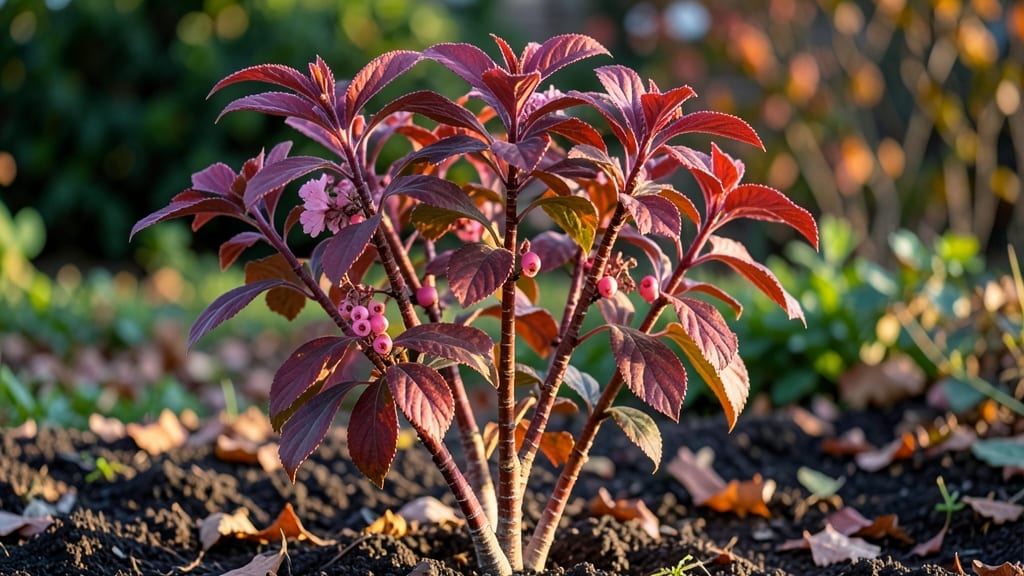
Your burning bush (Euonymus alatus) could be the star of your UK garden—if you master the pruning that keeps it vibrant year-round. 🌿 I’ve seen these plants transform from straggly shrubs to showstopping displays of winter color, all thanks to a few key cuts at the right time.
The secret isn’t complicated, but it is crucial for avoiding those leggy, bare stems that ruin the effect.
This hardy shrub thrives in UK conditions, handling our damp winters and even coastal winds—though frost in colder areas means protecting young plants or choosing hardier cultivars.
The real magic happens in late winter or early spring, when a strategic prune encourages dense, colorful foliage and those iconic pink seed pods that add winter interest. Even in small gardens, it’s a low-maintenance powerhouse—just don’t skip the annual shape-up.
By summer, you’ll have a bush bursting with glossy green leaves that turn fiery red or orange in autumn, followed by those striking seed capsules. The fragrance? Subtle but satisfying—like a whisper of spice in the breeze.
And because it’s evergreen in milder UK zones, it’s one of the few plants that delivers color and structure throughout the year.
Here’s the kicker: pruning isn’t just about aesthetics. It’s how you control size, shape, and even flowering. A well-pruned burning bush lives for decades, becoming the backbone of borders or a standalone focal point. Ready to turn yours into the talk of the neighborhood? Let’s get those secateurs out.
📚 In This Guide
- What you need
- Instructions
- Tips and common mistakes
- Wrapping up and next steps
What you need
- ● Pruning shears – Bypass-style, sharp, and sterilized (1 pair). Avoid dull blades—they crush stems instead of clean cuts!
- ● Loppers – For thicker branches (up to 2 inches) (1 pair). Look for ergonomic handles for comfort.
- ● Pruning saw – For stubborn, larger branches (1). A bow saw or pruning saw with a curved blade works best.
- ● Gloves – Garden gloves with grip (1 pair). Protects against thorns and rough bark.
- ● Disinfectant spray – 70% isopropyl alcohol or garden disinfectant (small bottle). Keeps tools sterile to prevent disease.
- ● Rubbing alcohol or bleach solution – 1 part bleach to 9 parts water (for wiping tools between cuts).
- ○ Pruning sealant (optional) – For large cuts (1 small tube). Helps prevent sap loss and disease in Burning Bush.
- ● Timing: Prune in late winter or early spring (Feb–March) for best results. Avoid heavy pruning in autumn.
- ● Weather: Choose a dry, calm day. Wet conditions can spread disease.
- ○ Safety gear: Safety glasses (optional but recommended) if working near eyes.
- ● Cleanup supplies: Garden bag or bucket for trimmings (1). Dispose of diseased branches separately.
- ● ✨ Sterilize tools before and after pruning to avoid fire blight or fungal infections—common in damp UK climates.
- ● 🌡️ Work in layers: Start with dead or diseased wood, then shape for airflow. Burning Bush thrives with good circulation!
- ● 🎯 Mark your cuts: Use a pencil or string to guide clean cuts on larger branches.
Mastering year-round burning bush care through strategic pruning
Here's how to keep your Euonymus alatus thriving with seasonal pruning that boosts fragrance and shape.
✂️ Step 1: Late Winter Pruning for Structural Renewal
Start in late February to early March while the plant is still dormant. This is the ideal time to remove dead, damaged, or crossing branches that crowd the center. I always begin by examining the plant from all angles—look for branches growing inward or rubbing against others, as these will compete for energy and reduce fragrance production.
Use clean, sharp pruning shears to make cuts just above a bud or lateral branch at a 45-degree angle. Avoid leaving stubs, as they invite disease. Focus on thinning out 20-30% of the oldest stems to encourage new growth from the base. You'll see fresh, vibrant shoots emerge by spring, signaling successful renewal.
☀️ Step 2: Summer Light Pruning for Airflow and Fragrance
During June and July, shift to light maintenance pruning to improve airflow and enhance fragrance. Remove only overly long or leggy branches that detract from the plant's natural shape. These are the branches that grow too quickly and lose their aromatic oils as they mature. I target stems that exceed 12 inches in length or those that grow straight up without branching.
Make cuts just above a leaf node where new growth can sprout. Avoid heavy pruning in summer—this stresses the plant and reduces its ability to produce the fragrant compounds that make Euonymus alatus so prized. After pruning, give the plant a light watering to help it recover quickly. You'll notice a denser, more fragrant plant by early fall.
✂️ Step 3: Fall Cleanup for Winter Resilience
In October, focus on removing any weak, diseased, or pest-damaged branches before winter sets in. This is also the time to shape the plant for the coming year. I like to step back and assess the overall form—burning bush thrives when it has a balanced, open center that allows light to penetrate to the lower branches, encouraging fragrance production.
Trim back any overly vigorous growth that might be competing with the plant's natural structure. Use your shears to shorten branches by about one-third if they've grown too long during the summer. Avoid heavy pruning now, as the plant needs to harden off before winter. A light layer of mulch around the base will protect the roots and retain moisture for early spring growth.
🌿 Step 4: Spring Stimulation for Peak Fragrance
As soon as new growth appears in early April, give your burning bush a light pruning to stimulate bushier, more fragrant foliage. Remove any dead wood that didn't make it through winter, as well as any branches that were damaged by frost. I also check for water sprouts—those weak, vertical shoots that grow from the base or along the stems. These sap energy from the plant and should be pruned back immediately.
To encourage fragrance, focus on thinning out the interior to improve airflow. This isn't the time for heavy pruning, but a selective approach will pay off in lush, aromatic foliage by summer. After pruning, apply a balanced fertilizer to support the plant's growth. You'll see new leaves emerge within 2-3 weeks, and the fragrance will intensify as the season progresses.
Tips & tricks for perfect year-round burning bush care
These strategic insights will transform your pruning routine into a fragrance-boosting ritual that keeps your Euonymus alatus thriving all seasons.
Seasonal Timing Precision: The late February to early March window for Step 1 is non-negotiable—dormancy ensures clean cuts heal properly without stressing the plant. I've found that waiting until March 1st guarantees the plant is fully dormant in most UK climates, preventing premature sap flow that can seal wound edges and invite disease. For those in colder regions, push to mid-March when frost risk has passed.
Cutting Technique That Matters: That 45-degree angle in Step 1 isn't just aesthetic—it creates a natural water runoff path that prevents moisture buildup at the cut site. I use a reference card taped to my tool belt to maintain consistency. For thicker stems over 1/2 inch, make a second cut 1/4 inch above the first to avoid tearing bark. The leaf node cuts in Step 2 should be just above the top set of leaves to preserve the plant's energy reserves.
Fragrance Optimization Strategy: The 20-30% thinning target in Step 1 might seem arbitrary, but it's based on the plant's natural growth pattern. Remove every third oldest stem from the base outward—this creates the open center structure that maximizes fragrance production by allowing sunlight to penetrate deeper foliage. In Step 4, when you're checking for water sprouts, look for stems thinner than a pencil that grow straight up without branching—they're energy vampires that drain resources from fragrant foliage.
Post-Pruning Recovery: That light watering after summer pruning (Step 2) should be just enough to moisten the root zone—about 1 inch of water. Overwatering now can lead to root rot before the plant has time to recover from the stress. For fall cleanup (Step 3), I always apply 2-3 inches of organic mulch after pruning to insulate roots while preventing soil compaction from winter rains. The mulch also creates a microclimate that protects tender new growth from late winter frosts.
Pro Tips for Burning Bush Uk
- These strategic insights will transform your pruning routine into a fragrance-boosting ritual that keeps your Euonymus alatus thriving all seasons.
- Seasonal Timing Precision: The late February to early March window for Step 1 is non-negotiable—dormancy ensures clean cuts heal properly without stressing the plant.
- Cutting Technique That Matters: That 45-degree angle in Step 1 isn't just aesthetic—it creates a natural water runoff path that prevents moisture buildup at the cut site.
Frequently asked questions
Got questions about keeping your Burning Bush (Euonymus alatus) fragrant and thriving year-round? Here are some of the most common ones—plus quick answers to keep your pruning game sharp!
When is the best time to prune a Burning Bush for fragrance?
The ideal time is late winter or early spring (just before new growth starts). This ensures you remove dead wood while stimulating fresh, fragrant foliage. Avoid pruning in fall—it can leave the plant vulnerable to winter damage. For light shaping, a light trim after flowering (summer) works too!
How much can I trim without harming the plant?
You can safely remove up to one-third of the plant’s height in a single pruning session. For mature Burning Bushes, focus on thinning out dense areas and cutting back old, leggy stems to encourage bushier, more aromatic growth. Never trim more than 25% of the plant in one go—patience pays off!
Why isn’t my Burning Bush smelling as strong as it used to?
Fragrance fades when the plant is overcrowded, underfed, or stressed. Try these fixes:
- Thin out dense branches to improve airflow.
- Fertilize in early spring with a balanced, slow-release formula.
- Check for pests (like scale) or diseases (like powdery mildew).
Are there alternatives to Burning Bush for year-round fragrance?
Yes! If you’re looking for low-maintenance, fragrant shrubs, consider:
- Dwarf Fothergilla – Delicate white blooms and spicy autumn scent.
- Sweet Box (Sarcococca) – Winter-blooming with a citrusy fragrance.
- Spicebush (Lindera benzoin) – Bright red berries and a spicy aroma.
What should I do if my Burning Bush dies after pruning?
Don’t panic! If the plant looks completely lifeless (no leaves, brittle stems), it may have been over-pruned or stressed. Try:
- Water deeply and mulch the base to retain moisture.
- Fertilize with compost or a root stimulator to encourage recovery.
- Monitor for new growth—if green shoots appear within 4–6 weeks, it’s likely to bounce back!
Wrapping up and next steps
Mastering the art of pruning your Burning Bush (Euonymus alatus) isn’t just about keeping it tidy—it’s about unlocking its full potential for year-round beauty and fragrance. 🌿 With the right tools, timing, and techniques, you’ll transform your garden into a fragrant haven that thrives in every season.
Whether you’re a seasoned gardener or just starting, this guide gives you the confidence to prune like a pro.
Ready to take the next step? Grab your shears, mark your calendar, and give your Burning Bush the care it deserves! Your garden—and its intoxicating scent—will thank you. 🌸