
Pruning
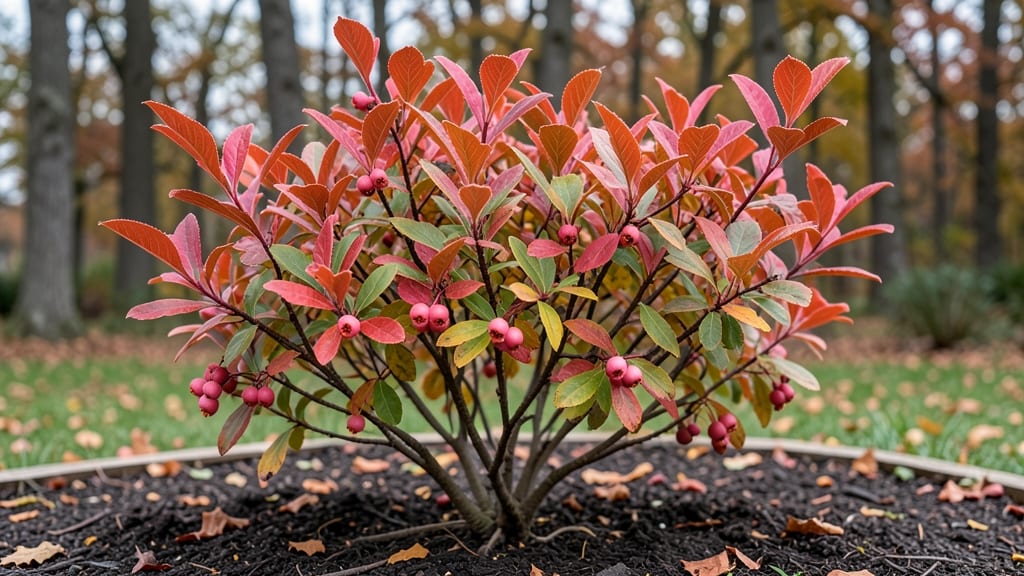
The burning bush grows to a height and spread of 3 to 6 feet in most landscapes, making it a versatile choice for privacy and seasonal color 🌿.
Struggling to find a fast-growing, low-maintenance shrub that delivers year-round privacy without overwhelming your landscape? The burning bush (Euonymus alatus) could be your perfect solution—its fiery fall foliage and compact size make it a standout choice for hedges and borders.
This hardy shrub thrives in USDA Zone 6a and beyond, offering 3 to 15 feet of height depending on variety and pruning. Whether you’re planting in April or May, understanding its natural spread helps you space bushes for a lush, cohesive look.
Inside, you’ll discover how to control its growth for a neat hedge, compare it to other shrubs, and use its seasonal color change to create a stunning focal point in your garden design.

Burning bush height and spread: what to expect by growth stage
The burning bush (Euonymus alatus) is a favorite for gardeners seeking fast-growing privacy without the commitment of towering trees. Its height and spread vary dramatically by age, variety, and care—so understanding these stages helps you plan your landscape perfectly.
Whether you're planting a dwarf variety for a small border or a standard bush for a tall hedge, knowing what to expect at each growth phase ensures your design thrives.
For most gardeners, the 3-6 foot range is ideal for privacy screens, foundation plantings, or mixed borders. This size balances visibility and space efficiency, making it perfect for urban yards or suburban backyards.
However, without proper pruning, even a dwarf burning bush can outgrow its space in just a few years. Let’s break down the growth stages so you can set realistic expectations and maintain your shrubs at their best.
In the first 3 years, your burning bush will focus on root establishment, shooting up 1-3 feet tall and spreading 2-4 feet wide. This is the perfect time to train its shape—especially if you’re planting a dwarf variety like 'Compactus.'
Without pruning, even dwarf types can stretch taller, so a light trim in early spring keeps them in check. Think of this stage as your bush’s "teenage years"—fast growth with plenty of energy to spare.
By years 5-10, your burning bush hits its prime, reaching 5-10 feet tall and 6-10 feet wide in standard varieties. This is when you’ll see the iconic fiery fall foliage at its most vibrant, making it a showstopper in your landscape.
If you’ve been pruning annually, you’ll notice a denser, more manageable shape. For example, a semi-dwarf variety like 'Rudy Haack' will cap out around 6 feet tall, while standard types can tower if left unchecked.
This is also the stage where spreading roots become more aggressive—planting too close can lead to overcrowding.
At maturity (10+ years), your burning bush will reach its full potential: 8-15 feet tall and 10-15 feet wide for standard varieties, or a compact 2-4 feet for dwarfs.
This is where pruning becomes critical—if you’ve been neglecting it, you might find your once-neat hedge turning into a wild, unruly mess. The key is to prune 1/3 of the height annually in late winter to encourage bushier growth and prevent leggy branches.
For example, if your standard burning bush is 12 feet tall, aim to trim it back to 8 feet each year to maintain a manageable size.
Choosing the right variety is half the battle when it comes to controlling height and spread. Dwarf varieties like 'Compactus' or 'Nana' are perfect for small gardens or container planting, staying under 4 feet tall even at maturity.
On the other hand, standard types like the classic 'Burning Bush' or 'Alatus' will reach 12-15 feet if unpruned—ideal for large privacy screens or woodland edges. If you’re unsure, opt for a semi-dwarf like 'Rudy Haack,' which offers a balance at 4-6 feet tall.
Pruning isn’t
How to control burning bush spread for a neat, privacy-focused hedge
A burning bush hedge thrives at 3-6 feet when properly pruned, offering year-round privacy with minimal effort. The key to controlling its spread lies in timely pruning and strategic spacing. Without intervention, these shrubs can reach 10+ feet in height and spread aggressively, losing their tidy appearance.
I’ll show you how to maintain that perfect compact hedge while keeping growth manageable.
Start by planting burning bushes 3-5 feet apart for a dense hedge—this spacing prevents overcrowding while allowing room for natural spread. The ideal height of 3-6 feet is achieved through seasonal pruning, typically done twice a year.
Use sharp, clean tools to avoid damaging branches, and always prune just above a leaf node for the best regrowth. Let’s dive into the step-by-step process to keep your hedge looking polished and controlled.
Step-by-Step Pruning Guide for Burning Bush
-
Step 1: Early Spring Pruning (March-April)
Remove dead or weak branches first. Then, cut back overgrown stems by 1/3 of their length to encourage bushier growth. This is the best time to shape your hedge for the year.
-
Step 2: Summer Light Pruning (June-July)
Trim new growth to maintain your target height of 3-6 feet. Focus on inner branches to improve airflow and reduce disease risk. Avoid heavy pruning in summer, as it can stress the plant.
-
Step 3: Fall Cleanup (October-November)
Remove any remaining dead foliage and trim excessive growth to prepare for winter. Avoid heavy pruning now, as it can stimulate new vulnerable growth before cold weather sets in.
-
Step 4: Tool Preparation
Use sharp bypass pruners for clean cuts and a hedge shears for shaping. Sterilize tools with rubbing alcohol between plants to prevent spread of disease. A ladder may be needed for taller bushes.
-
Step 5: Spacing and Planting Tips
Plant dwarf varieties (like 'Compactus') 3 feet apart for a tighter hedge. Standard varieties need 5 feet of spacing. Mulch around the base to suppress weeds and retain moisture.
One of the most common mistakes gardeners make is pruning at the wrong time. Avoid heavy pruning in late summer or fall, as this can stimulate tender new growth that won’t survive frost.
Another pitfall is over-pruning—cutting back more than 1/3 of the plant at once can weaken the shrub and reduce its winter hardiness. Always step back and assess your hedge from a distance to ensure an even, natural look.
For a truly privacy-focused hedge, consider layering burning bushes with other shrubs like inkberry holly or boxwood. This creates depth and texture while keeping maintenance manageable. Water deeply after pruning to help the plant recover, especially during hot, dry spells.
With consistent care, your burning bush hedge will stay lush, vibrant, and perfectly sized for years to come.
Remember, the goal is to encourage dense growth while controlling spread. By following these steps, you’ll enjoy a neat, low-maintenance hedge that provides privacy without taking over your landscape. Happy pruning!