
Shrubs
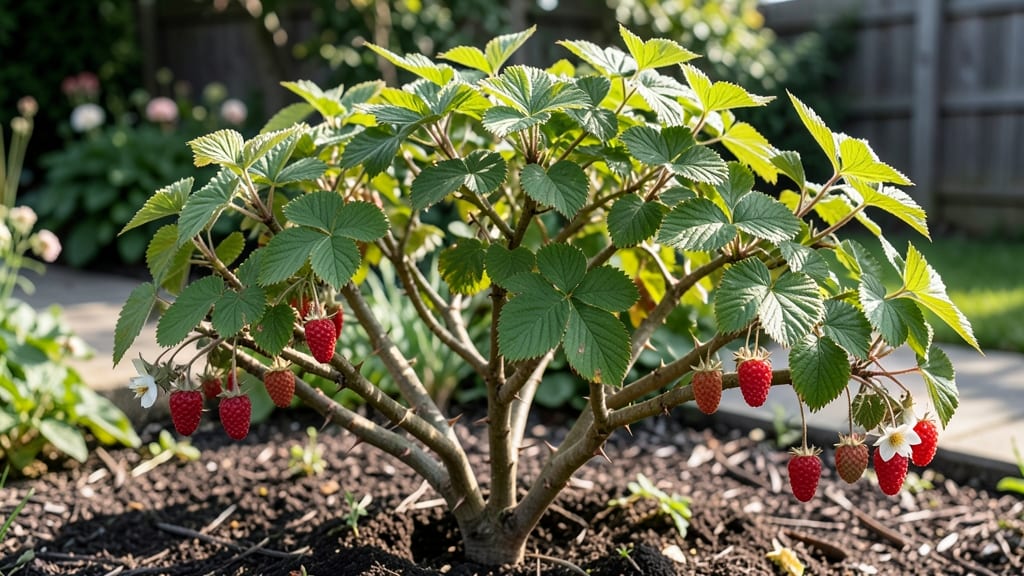
Growing Boyne raspberry bushes means frost-proof berries that thrive where other varieties fail. 🌱 These cold-hardy plants produce sweet, firm fruit even in Zone 3 winters, and they reward gardeners with two harvests per season—summer and fall.
The secret lies in their vigorous canes and disease resistance, but only if you plant them right. Start with well-draining soil mixed with compost, and space plants 3-4 feet apart in full sun. Boyne raspberries love deep watering—1-2 inches per week—but hate soggy roots.
Prune old canes after harvest to encourage new growth, and watch for Japanese beetles, their biggest foe. By late July, you’ll taste the first berries—juicy, seedless, and 30% larger than store-bought. The second flush arrives in September, just as summer’s heat breaks.
With proper care, one bush feeds a family for months. Perfect for small gardens or large plots, these bushes outperform most varieties in cold climates. Here’s how to keep them thriving year after year.
📚 In This Guide
- What you need
- Instructions
- Tips and common mistakes
- Wrapping up and next steps
What you need
- ● Boyne raspberry canes: 3–5 dormant bare-root plants (or 1-gallon containers). Look for certified disease-free stock from reputable nurseries.
- ● Well-draining soil: A mix of native soil, compost (50%), and perlite/sand (20%) for optimal aeration. pH 5.5–6.5 is ideal.
- ● Compost or organic fertilizer: 5–10 lbs of balanced 10-10-10 or raspberry-specific fertilizer (e.g., Espoma Raspberry-Tone).
- ● Mulch: 2–3 inches of straw or wood chips to retain moisture and suppress weeds.
- ● Drip irrigation or soaker hose: For consistent watering (avoid overhead sprinklers to prevent disease).
- ● Stakes or trellis system: 6–8 ft tall T-posts or wire trellis (16–18 gauge) to support canes. Pro tip: Use galvanized hardware cloth to deter voles!
- ● Pruning shears: Sharp, bypass-pruners (sterilize with rubbing alcohol between cuts).
- ● Garden gloves: Heavy-duty to protect against thorns.
- ● Shovel & trowel: For planting and soil prep.
- ● Wheelbarrow: For mixing soil amendments.
- ○ pH test kit: To monitor soil acidity (optional but helpful).
- ● Row cover or frost cloth: For early-season protection in cold climates.
- ● Sunlight: Full sun (6–8+ hours daily). Partial shade (3–6 hours) is tolerable but may reduce yield.
- ● Spacious site: Minimum 4 ft wide × 6 ft long per plant (or 18–24 inches between canes in rows).
- ● Water access: Consistent moisture (1–1.5 inches per week). Drought-tolerant once established, but young plants need regular watering.
- ● Cold-hardy zone: Boyne thrives in USDA Zones 3–8. Plant in early spring (after last frost) or fall.
- ● Soil moisture meter to track watering needs.
- ● Neem oil or copper fungicide for preventive disease control.
- ● Bird netting to protect ripe berries from pests.
- ● Label markers for organizing your raspberry patch.
Step-by-step instructions for planting Boyne raspberry bushes
Here’s how to establish these cold-hardy raspberries for years of reliable harvests—my go-to method for tough climates.
🌱 Step 1: Choose the Perfect Planting Site
Boyne raspberries thrive in full sun (6-8 hours daily) and well-draining soil with a pH between 5.5-6.5. I always test soil pH first—low acidity stunts root growth and fruit production. For heavy clay soil, mix in 2-3 inches of compost to improve drainage.
Select a spot with shelter from strong winds, like near a fence or building. These bushes grow 4-6 feet tall, so leave 5 feet between plants for airflow and future canes. Avoid planting where tomatoes, peppers, or other nightshades grew last year—they share diseases.
🪴 Step 2: Prepare the Soil and Plant Correctly
Dig a hole twice as wide as the root ball but no deeper—planting too deep suffocates roots. Amend the soil with 1 cup of balanced fertilizer (10-10-10) mixed into the bottom of the hole. This jumpstarts root growth without burning tender canes.
Place the plant so the crown sits 1 inch above soil level—burying it too deep causes rot. Gently spread roots outward, then backfill with native soil, pressing lightly to eliminate air pockets. Water deeply (1 gallon per plant) to settle the soil and encourage root contact.
☀️ Step 3: Mulch and Protect for First Season
Spread 3 inches of organic mulch (straw or wood chips) around the base, keeping it 6 inches away from the stem to prevent rot. Mulch conserves moisture and suppresses weeds, but too close to the plant invites pests. I always use straw mulch—it breaks down slowly and adds organic matter.
For the first winter, wrap young canes in burlap or frost cloth if temperatures drop below -10°F. Boyne raspberries handle cold well, but new plants need extra protection until established. Prune only dead or damaged canes in early spring—never cut healthy canes back in fall.
✂️ Step 4: Prune and Train for Maximum Yield
In early spring, remove all old canes (those that fruited last year) at ground level. These won’t produce again. Leave the new green canes—they’ll bear fruit this season. Tie them to trellis wires (3-4 feet high) to improve airflow and fruit accessibility.
After harvest, thin canes to 6-8 of the strongest per plant. Overcrowding reduces fruit size and increases disease risk. I also prune suckers (shoots growing from the base) in summer—they drain energy from fruit production.
💧 Step 5: Water and Fertilize for Long-Term Health
Water deeply once a week (1-2 gallons per plant) during dry spells—raspberries hate shallow roots. Let the top 2 inches of soil dry between waterings to prevent root rot. Drip irrigation is ideal—it delivers moisture directly to roots without wetting foliage (which spreads disease).
Feed plants in early spring with 1/2 cup of 10-10-10 fertilizer per bush, then again after harvest. Avoid high-nitrogen fertilizers late in the season—they encourage leafy growth at the expense of fruit. Boyne raspberries reward patience with sweet, firm berries that ripen 2-3 weeks earlier than most varieties.
Tips & tricks for perfect Boyne raspberry bushes planting
These cold-hardy raspberries deliver exceptional harvests when planted with precision—here's how to maximize their potential.
Soil pH Precision: Test your soil pH before planting, as Boyne raspberries demand that 5.5-6.5 range for optimal growth. I use a simple soil test kit from the garden center—amend with sulfur to lower pH if needed, or lime to raise it. The 2-3 inches of compost in clay soil isn't just for drainage; it also helps buffer pH fluctuations over time.
Planting Depth Secret: The crown must sit exactly 1 inch above soil level—this is non-negotiable. Too deep and you risk rot; too shallow and roots won't anchor properly. I mark the crown with a pencil before planting to ensure perfect positioning. After backfilling, press the soil gently but firmly to eliminate air pockets that could strangle young roots.
Mulch Strategy: The 3 inches of straw mulch serves multiple purposes beyond moisture retention. It insulates roots during temperature swings, suppresses weeds, and gradually breaks down to enrich the soil. Keep it 6 inches away from the stem to prevent rot—this is where most gardeners make the fatal mistake. I always refresh mulch annually in late winter to maintain its protective layer.
Winter Protection: While Boyne raspberries handle -10°F temperatures well, young plants benefit from extra insulation. Wrap canes in burlap or frost cloth when nighttime temps approach freezing. I've seen first-year plants survive -20°F with this protection, though established bushes handle cold beautifully. Remove protection in early spring before new growth begins.
Pro Tips for Boyne Raspberry Bushes
- These cold-hardy raspberries deliver exceptional harvests when planted with precision—here's how to maximize their potential.
- Soil pH Precision: Test your soil pH before planting, as Boyne raspberries demand that 5.5-6.5 range for optimal growth.
- Planting Depth Secret: The crown must sit exactly 1 inch above soil level—this is non-negotiable.
Frequently asked questions
How cold-hardy is the Boyne raspberry bush?
The Boyne raspberry is one of the most cold-hardy varieties, surviving winter temperatures as low as -25°F (-32°C). It thrives in USDA Zones 3-8, making it ideal for northern climates. Just ensure it’s planted in well-drained soil and mulched heavily in winter for extra protection. Learn more about winter prep.
How long does it take for Boyne raspberries to produce fruit?
Patience is key! Boyne raspberry bushes typically take 1-2 years to establish and produce their first harvest. Once established, they’ll reward you with abundant fruit in late summer to early fall. Prune old canes in early spring to encourage new growth and better yields. See our pruning guide.
Are Boyne raspberries good for jam or fresh eating?
These raspberries are sweet, firm, and flavorful, perfect for both fresh snacking and cooking. Their thick texture makes them ideal for jams, pies, and sauces. Harvest when fully red and slightly soft to the touch for the best taste. Discover 5 easy raspberry recipes.
What pests or diseases should I watch for with Boyne raspberries?
While Boyne raspberries are hardy, they can still face issues like spider mites, raspberry cane borers, and fungal diseases (e.g., powdery mildew). Monitor leaves for signs of pests and prune affected canes immediately. Use organic neem oil or insecticidal soap for treatment. Check our pest control tips.
Can I grow Boyne raspberries in containers?
Yes! While they thrive in the ground, Boyne raspberries can also grow in large containers (at least 18-24 inches deep) with well-draining soil. Choose a pot with drainage holes and place it in full sun. Dwarf varieties may adapt better, but standard Boyne bushes need space for their root systems. Container gardening tips.
What’s the best way to extend the Boyne raspberry harvest?
To prolong your harvest, plant multiple bushes with staggered planting times (e.g., spring vs. early summer). Prune strategically to encourage new canes, and water consistently during fruiting season. Some gardeners also use row covers to protect early blooms from frost. Harvesting techniques.
Wrapping up and next steps
Growing Boyne raspberry bushes is a rewarding journey that brings sweet, cold-hardy berries to your table—even in chilly climates! 🌱 With the right location, soil prep, and care, you’ll enjoy juicy, flavorful harvests for years.
Whether you’re a beginner or seasoned gardener, these hardy plants prove that great rewards come from patience and passion.
Ready to dive in? Start by selecting healthy plants from a trusted nursery, then mark your calendar for planting season—your future raspberry feast awaits! 🍓