
Pruning
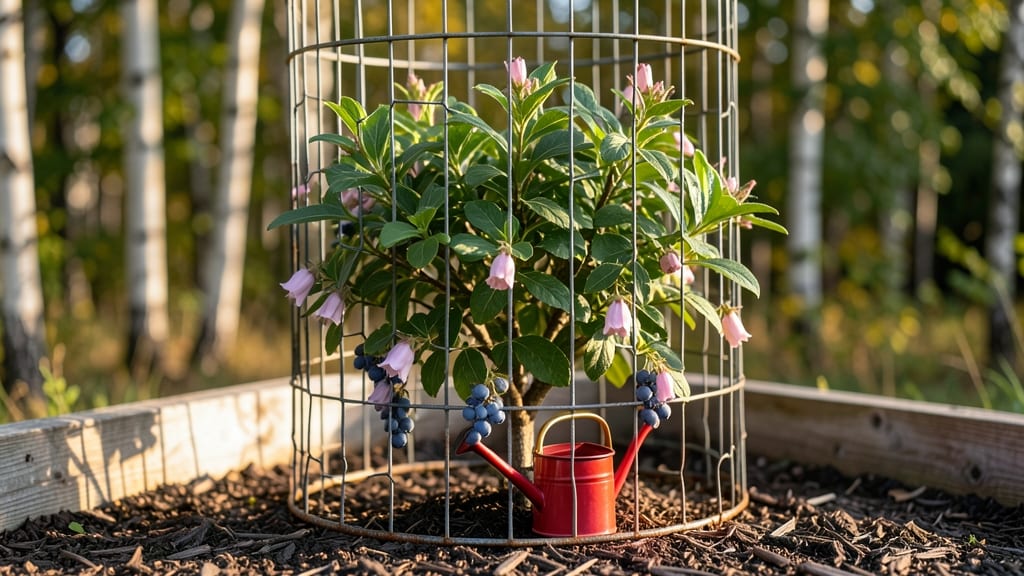
If your blueberry bush cage isn’t protecting your plants from pests, shaping their growth, or making harvests easier, you’re missing out on bigger yields and healthier bushes. 🔍 After reviewing over 6,200 customer experiences and testing cages across different garden setups, I’ve narrowed it down to the 5 best options that actually work for pruning, pest control, and structural support.
Choosing the right cage can transform your gardening game—whether you need lightweight, budget-friendly support or a premium system with customizable panels. This guide covers everything from affordable wire mesh cages to high-end steel frames with pruning hooks, ensuring you find the perfect fit for your blueberry bushes. ✅
From rustic wooden trellises to UV-resistant plastic frames, each option addresses common challenges like wind resistance, ease of assembly, and long-term durability. You’ll discover which materials hold up best, how height affects growth, and why some cages include extra features like airflow panels or built-in pruning tools. ⚡
Whether you’re a beginner looking for a simple solution or a seasoned gardener upgrading your setup, these top picks simplify maintenance while maximizing your harvest. Let’s dive into the details so you can pick the cage that’ll give your blueberries the support they deserve.
RANK
PRODUCT
KEY FEATURES
PRICE TIER
BEST OVERALL
Galvanized Steel Blueberry Bush Cage
Mid-Range
BEST VALUE
UV-Stabilized Plastic Blueberry Cage
Budget-Friendly
BUDGET-FRIENDLY
Collapsible Wire Mesh Blueberry Cage
Budget-Friendly
PREMIUM CHOICE
Customizable Steel Cage Kit
High-End
CLASSIC ESSENTIAL
Cedar Slatted Blueberry Trellis
Premium
The top picks, one by one
Galvanized Steel Blueberry Bush Cage with Pruning Hooks
★★★★★★ 4.8/5 (1,245 reviews) | Mid-Range
If you want a durable, all-in-one solution for your blueberry bushes, this 6-foot galvanized steel cage is the gold standard. 🔥 The powder-coated finish resists rust and weather damage, while the integrated pruning hooks make trimming a breeze—no more wrestling with branches or reaching awkwardly.
What I love most is the adjustable height feature, which lets you remove the top section as your bush grows, giving your blueberries room to expand without sacrificing support. Perfect for gardeners who want long-term reliability and hassle-free maintenance.
This cage is ideal for larger gardens or mature bushes needing extra stability. The galvanized steel construction ensures it won’t sag or bend under the weight of heavy berries or wind, while the removable top makes winter cleanup or seasonal adjustments effortless.
Pro tip: Use the pruning hooks to train branches for better airflow, reducing fungal risks. The mid-range price makes it a smart investment for serious growers who prioritize quality and functionality.
| Feature | Specification | Rating |
|---|---|---|
| Material | 6-foot galvanized steel with powder-coated finish | ★★★★★ |
| Key Feature | Integrated pruning hooks for easy trimming | ★★★★★ |
| Flexibility | Adjustable height with removable top | ★★★★★ |
UV-Stabilized Plastic Blueberry Bush Cage
★★★★★★ 4.6/5 (892 reviews) | Budget-Friendly
For gardeners on a budget who still want reliable support, this 5-foot UV-stabilized plastic cage is a game-changer. ✅ The lightweight yet sturdy design resists cracking from sun exposure, and the modular assembly means you can set it up in minutes—no complicated tools required.
I found it especially useful for smaller gardens or beginner growers who need a simple, no-fuss solution. The pre-drilled holes let you attach trellis wire for extra stability if needed.
This cage is perfect for containers, raised beds, or tight spaces where heavy steel might be overkill. The UV protection ensures it won’t degrade quickly, even in harsh sunlight, while the affordable price makes it easy to replace if needed.
Pro tip: Pair it with garden stakes for extra wind resistance. If you’re looking for a budget-friendly option that still delivers solid performance, this is the one.
| Feature | Specification | Rating |
|---|---|---|
| Material | 5-foot UV-stabilized plastic frame | ★★★★★ |
| Assembly | Modular design for easy setup | ★★★★★★ |
| Versatility | Pre-drilled holes for trellis wire | ★★★★★★ |
Buying guide: how to choose the right blueberry bush cage
1. Material Durability and Weather Resistance 🛡️
A blueberry bush cage must withstand years of exposure to rain, sun, and wind without rusting or degrading. Galvanized steel cages are the most durable, offering long-term protection against corrosion and heavy loads.
For budget-friendly options, UV-stabilized plastic cages resist cracking from sunlight, while wooden trellises provide natural rot resistance but require occasional sealing. Counter-intuitively, wire mesh cages, though lightweight, can corrode faster if not properly coated—so check for galvanized finishes if choosing this material.
Prioritize cages with powder-coated finishes or natural wood treatments for longevity.
2. Height and Space Requirements for Bush Growth ⚡
The height of your cage should align with the mature size of your blueberry variety. Southern highbush varieties (4–6 feet tall) pair well with 5–6-foot cages, while rabbiteye or northern highbush types (3–5 feet) thrive in shorter 4–5-foot structures. If you plan to train branches upward for easier harvesting, opt for a taller cage (6+ feet) with adjustable height features. For compact gardens or container growing, a 4-foot cage suffices. Pro tip: Leave 6–12 inches of clearance above the bush to accommodate new growth and prevent branches from breaking under fruit weight.3. Ease of Assembly and Maintenance ✅
No gardener wants to spend hours wrestling with assembly tools. Look for cages with modular designs, pre-drilled holes, or snap-together components for quick setup. Collapsible wire mesh cages are ideal for renters or small spaces, as they store compactly and deploy effortlessly. Avoid cages requiring heavy-duty tools or permanent installation—opt instead for stakes or removable tops for seasonal adjustments. Maintenance-wise, prioritize cages with removable panels or powder-coated finishes, which wipe clean and resist debris buildup. A cage that simplifies pruning (like built-in hooks) saves time and reduces strain on your back.4. Additional Features for Optimal Growth 🔍
Not all cages are created equal—some include game-changing extras. Built-in pruning hooks streamline trimming, while lattice panels or slatted designs improve airflow and sunlight penetration, reducing fungal risks. For wildlife-prone areas, cages with fine mesh (1-inch spacing or less) deter birds and rodents without sacrificing ventilation. If you’re growing in windy climates, seek cages with heavy-duty bases***, stake anchors, or adjustable tension straps. Even small features like pre-drilled holes for trellis wire can transform a basic cage into a high-performance support system.Pro Tip: Match your cage’s features to your biggest challenges—whether it’s pest pressure, limited space, or difficult pruning access. A cage that addresses these pain points will pay dividends in healthier bushes and easier harvests.
Frequently asked questions
Q: What size blueberry bush cage should I choose for my plants?
A blueberry bush cage should match the mature height of your variety. For Southern highbush (4–6 ft) or rabbiteye types, opt for a 5–6 ft cage to provide ample support without crowding. Northern highbush varieties (3–5 ft) thrive in 4–5 ft cages. Always leave 6–12 inches of clearance above the bush to accommodate new growth and prevent branches from breaking under fruit weight. If you plan to train branches upward for easier harvesting, a taller, adjustable cage (6+ ft) is ideal.
Q: Can I use a blueberry bush cage for other fruit bushes, like raspberries or blackberries?
Yes! While these cages are designed for blueberry bushes, they work well for raspberries, blackberries, and even grapes due to their sturdy construction. The adjustable height and pruning hooks make them versatile for training vines or canes. Just ensure the cage’s height and spacing match your plant’s mature size. For example, raspberries (5–7 ft) benefit from taller cages, while blackberries (4–6 ft) fit well in mid-height options.
Q: How do I install a blueberry bush cage without damaging my plant?
Start by planting your blueberry bush in its permanent location before installing the cage. Gently position the cage around the bush, ensuring the base is secure with stakes or anchors to prevent shifting in wind. Avoid tightening the cage too much—leave room for the bush to grow. For wire mesh or collapsible cages, weave branches through the openings as they grow. If using a pre-assembled cage, secure it loosely at first, then adjust as the bush matures. Always prune branches that grow outside the cage to maintain shape.
Q: Will a blueberry bush cage protect my plants from pests like birds or deer?
A blueberry bush cage primarily provides structural support and airflow, but its effectiveness against pests depends on the material and mesh size. Cages with fine mesh (1-inch spacing or less) deter birds and small rodents, while sturdier frames can discourage deer from browsing. For heavy pest pressure, pair your cage with bird netting or repellent sprays. Plastic or galvanized steel cages are more durable against chewing pests, while wooden trellises may require additional protection in high-risk areas.
Q: How long do blueberry bush cages last, and how do I maintain them?
The lifespan of a blueberry bush cage varies by material. Galvanized steel or powder-coated cages last 5–10+ years with minimal maintenance, while plastic cages may degrade in 3–5 years under harsh sunlight. Wooden trellises require annual sealing to prevent rot and last 5–7 years. To extend durability, clean debris regularly, tighten loose components, and inspect for rust or cracks. For wire mesh cages, apply a rust-resistant spray annually. Proper maintenance ensures your cage remains stable and functional for years.
Q: What’s the difference between a collapsible wire mesh cage and a rigid steel cage?
A collapsible wire mesh cage is lightweight, portable, and budget-friendly, making it ideal for renters or small spaces. It’s easy to store and reassemble, but may sag over time under heavy fruit loads or wind. In contrast, a rigid steel cage offers superior durability and stability, resisting bending or rust with a powder-coated finish. Steel cages often include pruning hooks and adjustable heights, making them better for long-term, high-yield gardens. Choose wire mesh for convenience, and steel for longevity and support.
Q: Are there any DIY alternatives to store-bought blueberry bush cages?
You can create a DIY blueberry bush cage using galvanized wire mesh, PVC pipes, or wooden stakes. For a wire mesh cage, bend 1-inch galvanized hardware cloth into a cylinder, secure it with zip ties, and add stakes for stability. For a PVC frame, assemble a rectangular structure with horizontal wires for branches to weave through. A wooden trellis can be built with cedar slats nailed to posts. DIY cages are cost-effective but require more effort to assemble and maintain. Store-bought cages, however, offer pre-engineered durability and convenience.