
Planting
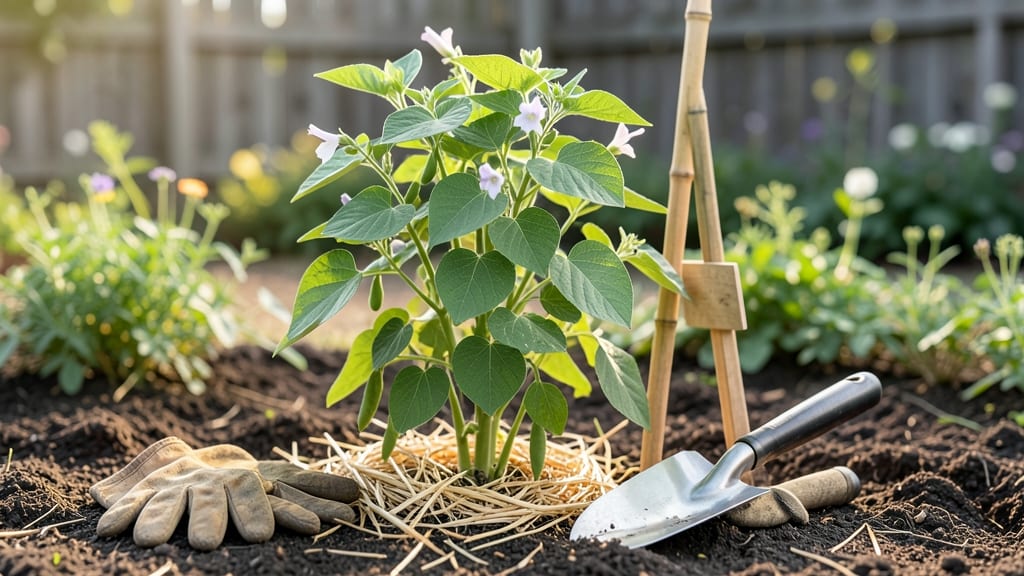
Planting bush beans the right way means harvests in 30 days instead of waiting weeks for slow starts. 🌱 I’ve learned that skipping soil prep or crowding seeds leads to weak plants and fewer pods—so I focus on three key moves: loose, warm soil, perfect spacing, and consistent moisture.
These aren’t just beans; they’re the fast, productive workhorses of summer gardens.
The secret to high yields starts with soil 60-70°F and rich in compost—beans need nitrogen, but they fix it themselves once established. Plant seeds 1 inch deep, 3-4 inches apart, and rows 18-24 inches apart for airflow.
Direct sow after the last frost, and avoid transplanting (they hate it). A quick soak before planting ensures faster germination—you’ll see sprouts in 5-7 days.
What you end up with is a bush of 3-4 foot plants packed with tender pods for 6-8 weeks. The plants stay compact, so they’re perfect for small gardens or containers, and the more you pick, the more they produce.
Pair them with corn and potatoes for a classic three-sisters combo that boosts yields naturally.
Even in less-than-ideal conditions, these beans deliver—just watch for consistent watering (1 inch per week) and shade cloth if your summer gets too hot. The payoff? Fresh, sweet beans straight from your garden, with minimal effort. Ready to plant?
📚 In This Guide
- What you need
- Instructions
- Tips and common mistakes
- Wrapping up and next steps
What you need
- ● Bush bean seeds: Choose fast-maturing varieties (50-60 days to harvest). Aim for 1-2 pounds of seeds (about 1,000-2,000 seeds) for a standard 10x10 ft. garden bed. Popular picks: Blue Lake, Contender, or Provider.
- ● Garden soil: Well-draining, fertile soil with a pH of 6.0-7.0. Mix in 2-3 inches of compost per square foot to enrich nutrients.
- ○ Organic fertilizer: A balanced 10-10-10 or 5-10-10 NPK ratio (1 tbsp per plant at planting time). Optional: Add bone meal (1 tbsp per plant) for extra phosphorus.
- ● Mulch: Straw, grass clippings, or shredded leaves (2-3 inches thick) to retain moisture and suppress weeds.
- ● Hand trowel or transplanting spade (for digging small holes, 1-2 inches deep).
- ● Garden rake (to loosen soil and create a smooth planting surface).
- ● Watering can or hose with a gentle spray nozzle (avoid high pressure to prevent seed displacement).
- ● Measuring tape or ruler (to space seeds 3-4 inches apart in rows 18-24 inches apart).
- ○ Gloves (optional but recommended for comfort and hygiene).
- ● Last frost date: Plant bush beans 2-3 weeks after the last frost when soil temps reach 60°F+. Use a soil thermometer if unsure.
- ● Sunlight: Ensure your planting spot gets full sun (6-8 hours daily). Partial shade is tolerable but may reduce yield.
- ● Water source: Access to water for consistent moisture (beans need 1-1.5 inches of water per week).
- ○ Successor planting: Optional: Sow every 2 weeks for a continuous harvest (if your climate allows).
- ● Trellis or stakes (if growing pole beans—though bush beans don’t need support!).
- ● Row covers or frost cloth (to protect seedlings from unexpected cold snaps).
- ● Bean seedling starter kit (if starting indoors 4-6 weeks before transplanting).
- ● Pest deterrents: Diatomaceous earth or neem oil (for aphids/caterpillars).
Step-by-Step instructions for planting bush beans
Here's the method I swear by for getting bush beans in the ground fast and yielding bushels of beans.
🌱 Step 1: Prepare the Soil for Fast Germination
Bush beans thrive in well-draining soil with a pH between 6.0 and 7.0. Work in 2-3 inches of compost before planting to loosen the soil and boost nutrients—this is the secret to those fast germination times. I like to add a handful of aged manure or worm castings for extra microbial activity that helps roots establish quickly.
Rake the soil smooth and create 1-inch-deep furrows spaced 4-6 inches apart in rows that are 18-24 inches apart. The key here is to avoid compacting the soil—press lightly with your fingers to create a fine seedbed, but don't pack it down. You'll see the difference in germination speed when the soil is just right.
💧 Step 2: Soak Seeds and Plant at the Right Depth
Soak your bush bean seeds in lukewarm water for 4-6 hours before planting—this softens the seed coat and speeds up germination by 2-3 days. I use a small bowl with just enough water to cover the seeds, then drain and plant them immediately after soaking. Plant 1-2 seeds per hole at a depth of 1 inch, spacing them 2-3 inches apart in the furrow.
Cover the seeds lightly with soil and water gently to settle everything in place. Avoid overwatering now—you want the soil to be moist but not soggy. If you see seeds wash away, just add a little more soil on top. This step is critical: planting too deep delays germination, while too shallow exposes seeds to drying out.
☀️ Step 3: Provide Warmth and Consistent Moisture
Bush beans germinate fastest in soil temperatures of 70-85°F. If your spring is still chilly, use a black plastic mulch to warm the soil and speed up sprouting. Water the soil lightly every 2-3 days until germination occurs—you'll know it's time when you see tiny green hooks breaking through the soil in 5-10 days.
Once seedlings emerge, thin to the strongest plant per spot, leaving 3-4 inches between them. This prevents overcrowding, which leads to weak stems and fewer beans. Keep the soil evenly moist but never waterlogged—bush beans hate soggy roots. You'll see the plants perk up and grow faster when moisture is consistent.
✂️ Step 4: Support Growth and Encourage High Yields
When plants reach 6 inches tall, add a light side-dressing of compost around the base to feed the roots as they grow. I also like to stake taller varieties with 3-foot bamboo stakes tied loosely to the plant stems—this prevents them from flopping over when beans get heavy. For bush beans, which stay compact, staking isn't always necessary, but it keeps the plants upright and makes harvesting easier.
Watch for first flowers in 4-6 weeks—this is your cue to start checking for pods daily. Harvest beans when they're 4-6 inches long and firm to the touch for the best flavor. The more you pick, the more the plant produces—this is why consistent harvesting leads to those high yields everyone talks about.
Tips & tricks for perfect bush bean planting
Want to turn your garden into a bean-producing powerhouse? These pro moves will help you skip the common pitfalls and maximize every seed you plant.
Soil Temperature Secret: The 70-85°F soil temperature range in Step 3 isn't just ideal—it's non-negotiable for fast germination. If your spring is still chilly, lay down black plastic mulch a week before planting to warm the soil. I've seen germination times cut from 10 days to just 5 days using this trick! For extra insurance, plant in a south-facing location where the soil warms up faster.
Seed Soaking Strategy: That 4-6 hour soak in Step 2 is your secret weapon against slow germination. Use lukewarm water (around 85°F) and add a pinch of compost tea to the soaking water—this boosts microbial activity that helps roots establish immediately. After soaking, drain seeds completely and plant within 30 minutes to prevent mold. Pro tip: Label your seed packets with the soak date to ensure freshness.
Watering Wisdom: The "lightly every 2-3 days" guideline in Step 3 needs context—bush beans hate soggy roots but also can't handle drying out. I use a gentle sprinkler or soaker hose set to deliver about ½ inch of water per session. Check soil moisture by sticking your finger 1 inch deep—if it's dry at that level, it's time to water. Morning watering prevents fungal issues that thrive in damp evening conditions.
Harvesting Hack: When those pods reach 4-6 inches in Step 4, here's the real secret: harvest every 2-3 days during peak production. I set a timer on my phone for every third day to check plants—consistent picking stimulates more flower production. Use sharp scissors to snip stems cleanly, which prevents disease entry points. The first harvest might be small, but you'll see yields double within two weeks of consistent picking!
Pro Tips for Best Way To Plant Bush Beans
- Want to turn your garden into a bean-producing powerhouse?
- Soil Temperature Secret: The 70-85°F soil temperature range in Step 3 isn't just ideal—it's non-negotiable for fast germination.
- Seed Soaking Strategy: That 4-6 hour soak in Step 2 is your secret weapon against slow germination.
Frequently asked questions
Got questions about planting bush beans? You’re not alone! Here are answers to the most common queries to help you grow a thriving crop with confidence.
What’s the best time of year to plant bush beans?
Bush beans thrive in warm soil—plant them 1 to 3 weeks after the last frost when temperatures stay above 60°F (15°C). In cooler climates, start seeds indoors 2–3 weeks before transplanting. Avoid planting in late summer if your region gets hotter than 85°F (29°C), as beans may bolt or struggle.
How long does it take for bush beans to germinate and grow?
Bush beans are fast germinators—expect sprouts in 5–10 days with consistent moisture and warm soil. From planting to harvest, they typically mature in 50–60 days. For a continuous harvest, stagger plantings every 2 weeks during the growing season.
Can I plant bush beans in containers, or do they need a garden bed?
Bush beans adapt well to containers as long as the pot is at least 12 inches deep and has drainage holes. Use a lightweight potting mix, and place containers in a spot with 6–8 hours of sunlight daily. Just ensure the container is wide enough to support 2–3 plants per 5-gallon pot.
What should I do if my bush bean plants develop holes or chewed leaves?
Holes or ragged leaves usually mean bean beetles or slugs are the culprits. Try these fixes:
- Handpick beetles in the morning when they’re sluggish.
- Set up beer traps or copper barriers for slugs.
- Use row covers early in the season to block pests.
- Spray plants with neem oil (follow label instructions) as a natural deterrent.
Do bush beans need full sun, or can they grow in partial shade?
Bush beans prefer full sun (6–8 hours daily), but they’ll tolerate partial shade (4–6 hours) in hotter climates. In shady spots, yields may drop, and plants could become leggy. If shade is unavoidable, choose dwarf varieties like ‘Blue Lake’ or ‘Contender’ for better adaptation.
Wrapping up and next steps
Planting bush beans is a rewarding way to enjoy a bountiful, low-maintenance harvest—whether you're a beginner or a seasoned gardener! 🌱 By choosing the right variety, preparing your soil, and following the fast-germinating, high-yield secrets shared here, you’ll be well on your way to a thriving garden.
Don’t forget to harvest regularly to encourage more production and protect your plants from pests.
Ready to dig in? Grab your seeds, mark your calendar for the next planting window, and get growing! Your future meals—and happy plants—will thank you. 🌿