
Transplanting
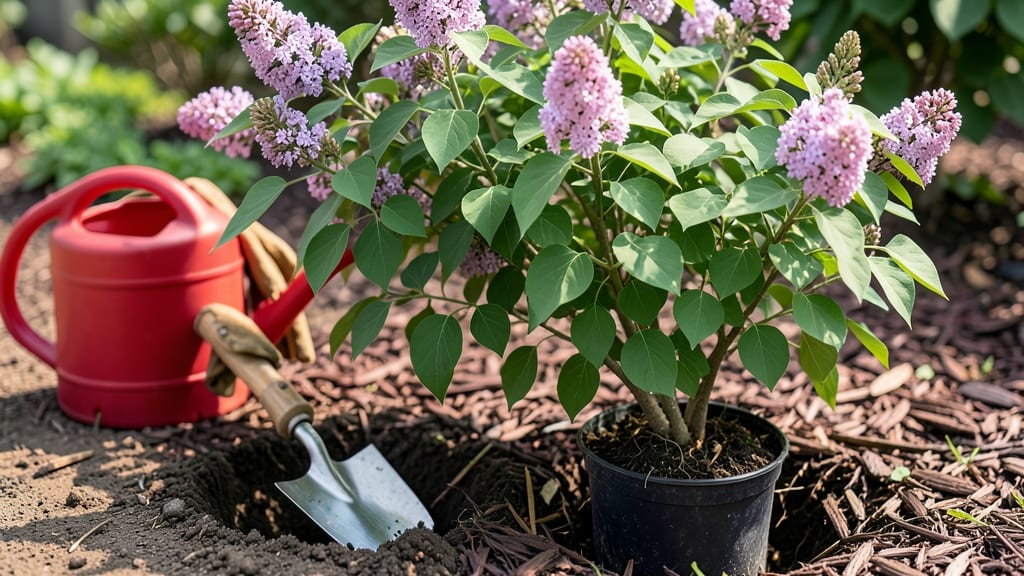
The best time to transplant a lilac bush is late fall or early spring, just before new growth begins—avoid transplanting during flowering to reduce stress and ensure strong root establishment in cooler, moist soil conditions. Choose a day with overcast weather for minimal shock.
Transplanting lilacs during their dormant phase—when they’re not actively blooming or growing—minimizes stress on the plant. 🌿 Cooler temperatures help roots recover faster, while moist soil prevents dehydration.
I’ve found that early spring (before buds swell) gives lilacs a full growing season to adapt, while late fall (after leaves drop) lets them establish roots before winter.
The key is timing: too early, and you risk frost damage; too late, and the plant may struggle to harden off for winter.
Overcast days are ideal because they reduce water loss through evaporation, giving roots a better chance to settle. If you must transplant in summer, do it during the coolest part of the day and provide extra shade and water—but expect higher stress and potential blooming delays.
Lilacs are tough, but giving them the right conditions makes all the difference.
💡 In This Article
- Why Late Fall and Early Spring Are Ideal for Lilac Transplanting
- Step-by-Step Guide to Transplanting Lilac Bushes in Spring
Why late fall and early spring are ideal for lilac transplanting
Lilacs thrive during transplanting when they’re in a natural state of dormancy, which occurs in late fall or early spring. During these periods, the plant’s metabolic activity slows down, reducing stress from root disruption.
Cooler temperatures (40-50°F) prevent excessive water loss through transpiration, while the soil remains moist—ideal for root regrowth. This dormancy phase allows lilacs to allocate energy toward establishing new roots rather than supporting active growth or flowering.
The biological mechanism behind this timing lies in the plant’s cambium layer, a growth tissue that’s most active during dormancy. When lilacs are transplanted in late fall, they can begin root development before winter dormancy sets in, giving them a head start in spring.
Conversely, early spring transplanting (before buds swell) ensures the plant isn’t diverting energy to blooms or new leaves, which would compete with root establishment. The root system of a lilac can expand up to 3-4 feet wide in ideal conditions, so giving it time to adapt is critical.
Transplanting during flowering is a big mistake because the plant is already stressed from producing blooms, leaves, and seeds simultaneously. This triple demand for resources leaves lilacs vulnerable to transplant shock, where they may wilt, drop leaves, or even die.
The energy required to regrow roots is diverted elsewhere, delaying recovery. In contrast, dormant lilacs focus nearly all their energy on root regeneration, which can take 4-6 weeks to stabilize in optimal conditions.
Summer transplanting is particularly risky due to heat and drought stress. Lilacs are not drought-tolerant, and high temperatures (80°F+) cause soil to dry out quickly, making it harder for roots to rehydrate. Pests like aphids and spider mites also thrive in warm weather, adding another layer of stress.
Overcast days in spring or fall reduce these risks by lowering evaporation rates and keeping soil moisture consistent, creating the perfect environment for root recovery.
Consider this comparison: A lilac transplanted in early spring with 3-4 inches of rain over the next month will establish roots 30-50% faster than one moved in summer with only 1 inch of rain.
The moisture difference alone can mean the difference between survival and failure. Even experienced gardeners often underestimate how much water lilacs need post-transplant—consistent moisture is non-negotiable for root growth.
What most gardeners don’t realize is that lilacs also benefit from the soil’s natural microbial activity during cooler months. Beneficial fungi and bacteria in the soil help break down organic matter, creating a nutrient-rich environment for new roots.
This microbial boost is less active in summer heat, further slowing recovery. So while lilacs are hardy, timing your transplant right makes all the difference in their long-term health and vigor.