
Pruning
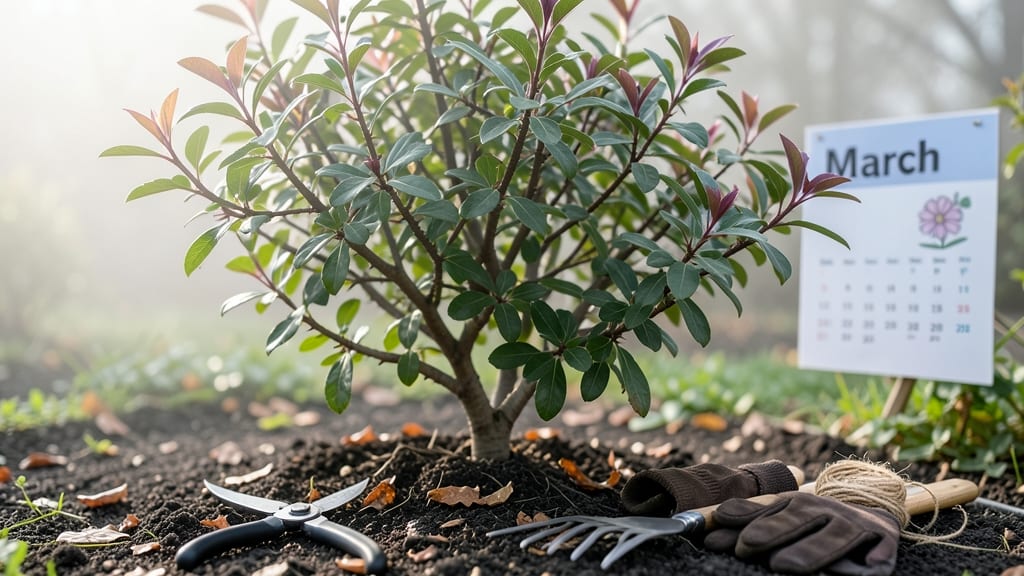
Pruning barberry bushes at the right time unlocks stronger growth and healthier foliage—and late winter is the secret window most gardeners miss.
Picture this: You’ve just trimmed your 🌿 barberry in early spring, only to watch new buds wither from fungal spores hiding in last year’s wood. Or worse, you prune too late, and the bush struggles to recover before winter’s chill.
Timing isn’t just about aesthetics—it’s about survival, and late winter is when barberries wake up ready to thrive.
Why does this matter? Because pruning in late winter—right before the first flush of growth—stimulates vigorous new shoots, improves airflow to prevent disease, and keeps pests at bay. It’s the game-changer between a bush that looks tired and one that bursts with energy by summer.
In this guide, I’ll walk you through the exact late-winter window (and why it beats spring or fall), the tools you’ll need, and step-by-step cuts that keep your barberry lush without stress. No guesswork—just science-backed results.
Why late winter is the optimal time to prune barberry bushes
Barberry bushes thrive when pruned during their dormant phase, which for most regions falls in late winter. This timing isn't random—it's rooted in biological science that minimizes stress on the plant while maximizing spring regrowth.
When you prune in late winter, you're essentially giving your barberry a fresh start before new growth begins, preventing disease spread and encouraging stronger stems.
The optimal window is between late January and early March, right after the worst winter cold snaps but before buds swell. This period ensures you're not pruning too early (risking frost damage) or too late (interfering with spring growth).
For USDA Zones 3-5, aim for February; in Zones 6-9, late January to early February works best.
Here’s why late winter stands out compared to other seasons: Spring pruning can remove flower buds, while summer pruning stresses the plant, and fall pruning risks encouraging new growth that won’t harden off before winter.
Late winter strikes the perfect balance by targeting dead or diseased wood while leaving healthy buds intact for spring.
| Season | Best Time | Why It Works | Risks to Avoid |
|---|---|---|---|
| Late Winter | Feb-Mar (USDA 3-9) | Plant dormant; removes dead wood; stimulates spring growth | Pruning too early (frost damage) or too late (new buds form) |
| Early Spring | March-April | Encourages growth but may remove flower buds | Reduces flowering; attracts pests if plant is stressed |
| Summer | June-August | Minimal regrowth; mostly for shaping | Stresses plant; invites fungal diseases |
| Fall | September-October | Prepares plant for winter; removes weak growth | New growth won’t harden off; attracts pests |
Late winter pruning also reduces pest and disease risks because the plant’s natural defenses are strongest during dormancy. By removing dead or infected branches before spring, you prevent pathogens from spreading to new growth.
Additionally, pruning in late winter allows you to shape the bush for better airflow, which is critical for barberries that are prone to powdery mildew or leaf spot.
Climate plays a key role in timing. In colder zones (USDA 3-5), wait until after the last hard frost (typically mid-February) to avoid damaging tender new tissue.
In warmer zones (USDA 6-9), you can prune as early as late January, but avoid pruning if mild spells trigger premature bud swell. Always check local frost dates to align pruning with your region’s last average frost.
Another advantage of late winter pruning is stimulating stronger spring growth. When you remove old, woody stems, the plant redirects energy to younger, more vigorous branches. This is especially important for older barberry bushes that may have become leggy or overgrown.
By cutting back 1/3 of the oldest stems to the ground, you encourage a youthful flush of growth while maintaining the bush’s natural shape.
For newly planted barberries, late winter is also ideal for establishing proper structure. Focus on removing any damaged or crossing branches while leaving the central leader intact.
This sets the stage for a balanced, healthy framework as the plant matures. Avoid heavy pruning in the first year, though—stick to light shaping to minimize stress on young roots.
One common misconception is that barberries should be pruned after flowering. While this works for some shrubs, barberries bloom on old wood, meaning last year’s growth produces this year’s flowers. Pruning after flowering removes these flower buds, reducing next year’s blooms.
Late winter pruning avoids this issue entirely by targeting non-flowering wood while preserving the plant’s ability to produce vibrant yellow or red berries in spring.
Finally, late winter pruning gives you a clear view of the bush’s structure. After leaf drop, it’s easier to spot dead, diseased, or weak branches that need removal. This selective pruning approach ensures you’re only cutting what’s necessary, leaving healthy wood to support next season’s growth.
Think of it as a health checkup for your barberry—removing the bad to make room for the good.
With the right timing, your barberry will reward you with denser foliage, more berries, and fewer pests—all while looking its best. The key is acting during that critical late-winter window when the plant is dormant but ready to bounce back stronger than ever. ✂️🌿
Step-by-step late winter pruning guide for barberry bushes
Late winter is the perfect window to prune barberry bushes because they’re dormant yet poised for spring growth. This timing minimizes stress, reduces disease risk, and encourages vigorous new shoots.
Whether you’re in USDA Zone 5 or Zone 8, follow these steps to revive your barberry’s structure while avoiding common pitfalls.
Before grabbing your shears, note that late winter means February to early March in most regions—just after the worst frost but before buds swell. For southern climates, prune in January to avoid early blooms.
The goal? Remove dead wood, thin dense areas, and shape for airflow and sunlight—all while preserving the bush’s natural form.
- ✂️ Bypass pruners – For clean cuts on 1/4-inch stems
- Loppers – Tackle thicker branches (up to 1-inch diameter)
- Gloves & long sleeves – Barberry thorns are sharp and persistent
- Disinfectant (70% rubbing alcohol) – Wipe tools between cuts to prevent disease spread
- Inspect branches for brown, brittle wood or signs of fungus (black spots, mold)
- Cut 1/4 inch above a healthy bud or branch at a 45-degree angle
- Dispose of infected wood in a sealed bag—do not compost
- Target dense areas where branches cross or rub—remove 1/3 of the oldest growth
- Shape outward to create an open, vase-like form—this mimics natural growth
- Avoid "lion’s tailing" (cutting all branches back to stubs)—this stresses the plant
- For overgrown barberries (>5 years old), renewal pruning works best:
- Select 3-5 strongest stems and cut them back to 6-12 inches from the ground
- Remove all other stems—this forces new, vigorous growth from the base
- Rake up debris and sterilize tools with rubbing alcohol
- Apply 2-3 inches of mulch (wood chips or shredded bark) around the base
- Water deeply to settle mulch and encourage root growth
After pruning, your barberry bush should look open and airy, with no overcrowded branches. In 4-6 weeks, you’ll see new growth emerging from the pruned areas—proof your timing was spot-on. For evergreen varieties, this also prevents winter burn by reducing dense foliage.
Pro tip: Label your cuts with small flags if you’re unsure which branches to keep. This helps you visualize the shape before making final decisions. With practice, you’ll develop an eye for balancing form and function in your barberry’s structure.
🌿