
Plants
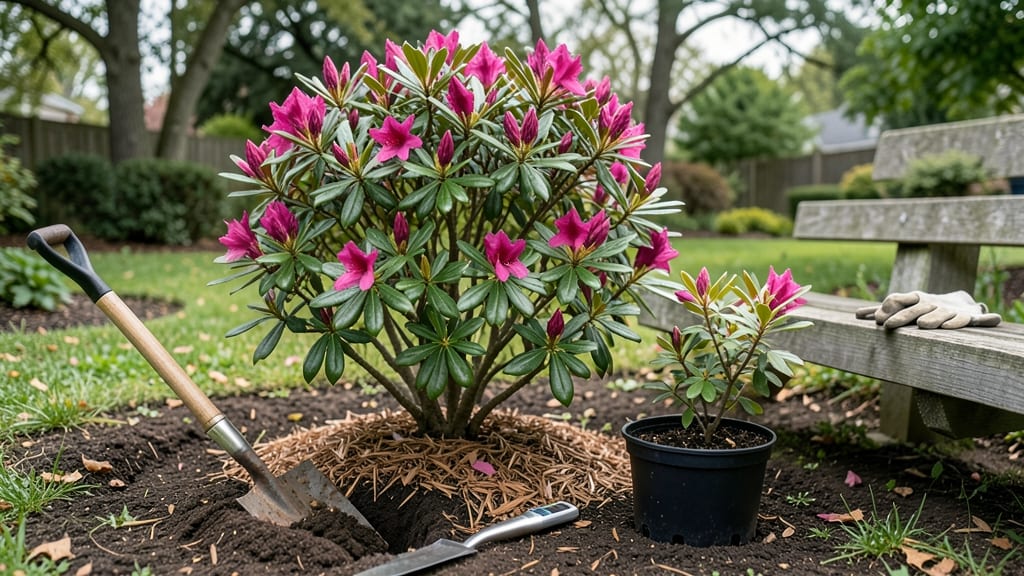
The best place to plant azalea bushes is in partial shade with morning sun and afternoon shade, well-draining acidic soil (pH 4.5-6.0), and sheltered spots to avoid harsh winds or direct sunlight, ensuring vibrant blooms and healthy growth.
The right location for azaleas balances sunlight and protection—think of them as sun-worshippers with delicate skin. 🌿 Morning sun gives them the energy they need for photosynthesis, while afternoon shade prevents leaf scorch, which can turn vibrant foliage brown.
Acidic soil (pH 4.5-6.0) is non-negotiable, as azaleas rely on it to absorb essential nutrients like iron and manganese, which fuel those stunning blooms.
I’ve planted mine near a tall pine tree on the east side of my yard, where the roots help keep the soil naturally acidic and the branches filter harsh afternoon rays.
Another key factor is shelter—azaleas hate windburn, which can dry out their leaves and stunt growth. Look for spots protected by fences, walls, or even other trees. In regions with harsh winters (USDA zones 5-7), planting near south-facing structures can also provide extra warmth during cold snaps.
The goal is to mimic their natural woodland habitat, where they thrive under a canopy’s dappled light.
💡 In This Article
- Azalea Sunlight and Soil Requirements Explained
- Climate and Microclimate Tips for Azalea Planting
Azalea sunlight and soil requirements explained
Azaleas are native to acidic, well-drained woodland soils where they receive dappled sunlight—a mix of bright light and shade.
Their leaves contain chlorophyll that converts sunlight into energy, but they lack the protective waxy coating of some plants, making them prone to leaf scorch when exposed to intense afternoon sun (especially above 85°F).
The ideal light balance is 3-6 hours of morning sun followed by afternoon shade, which prevents overheating while still providing enough energy for photosynthesis. Think of it like giving them a sunbath with SPF—just enough to glow, not burn.
The soil composition is equally critical. Azaleas thrive in acidic soil (pH 4.5-6.0) because their roots can only absorb nutrients like iron and manganese in these conditions. A soil pH above 7.0 locks out these essential minerals, leading to yellowing leaves (chlorosis) even if the plant appears healthy.
To achieve this, mix 30% organic matter (like peat moss or pine bark) with 70% mineral soil, ensuring it drains quickly to prevent root rot. A simple test: press the soil—if it holds moisture for more than a few minutes, it’s too dense.
Here’s what happens when conditions are off: In full sun, azalea leaves turn crispy and brown at the edges, while too much shade results in sparse, weak blooms. The soil’s acidity isn’t just about pH—it’s also about the microbial life thriving in it.
Beneficial fungi and bacteria in acidic soils help break down organic matter, releasing nutrients azaleas need for vibrant flowers. For example, a pH of 5.5 supports 10x more available iron than a pH of 7.0, which is why your azaleas might bloom poorly in alkaline soil.
Moisture retention is another puzzle piece. Azaleas love consistently moist (but not soggy) soil, which is why planting near evergreen trees works—those roots help keep the ground cool and shaded.
A mulch layer of 2-3 inches of pine needles or oak leaves mimics their natural forest floor habitat, slowly releasing acidity and moisture. Avoid synthetic mulches like rubber chips, which can raise soil pH over time.
Even a slight pH shift from 5.5 to 6.5 can reduce bloom quality by 30-40%, so monitoring is key.
For visual clues, observe the leaves: Dark green with glossy edges means you’ve nailed the balance. Pale or yellowing leaves signal nutrient deficiencies (likely high pH), while brown, brittle edges scream sunburn. The roots should be white and fibrous—not mushy (rot) or hard (drought stress).
Pro tip: If your soil tests above 6.0, amend it with sulfur or aluminum sulfate gradually, as sudden pH drops can shock the plant. Think of it like adjusting the acidity in a recipe—too much at once ruins the dish!
One common mistake is assuming "shady" means deep shade. Azaleas need some light to thrive—they’re not ferns! A spot under a deciduous tree (like oak or maple) works best because the leaves filter harsh sun in summer but allow light in winter.
Evergreens like pines are great too, but avoid planting directly against their trunks, where competition for water and nutrients can stunt growth. The goal is to replicate their natural understory home, where they bask in filtered light and cool air.
Finally, consider your local climate. In hot, dry regions (like the Southwest U.S.), azaleas need extra afternoon shade, while cooler climates (Pacific Northwest) can handle more sun.
The key is adaptability—azaleas are tough once their basic needs are met, producing blooms that last 2-4 weeks in spring or summer, depending on the variety. 🌸