
Pruning
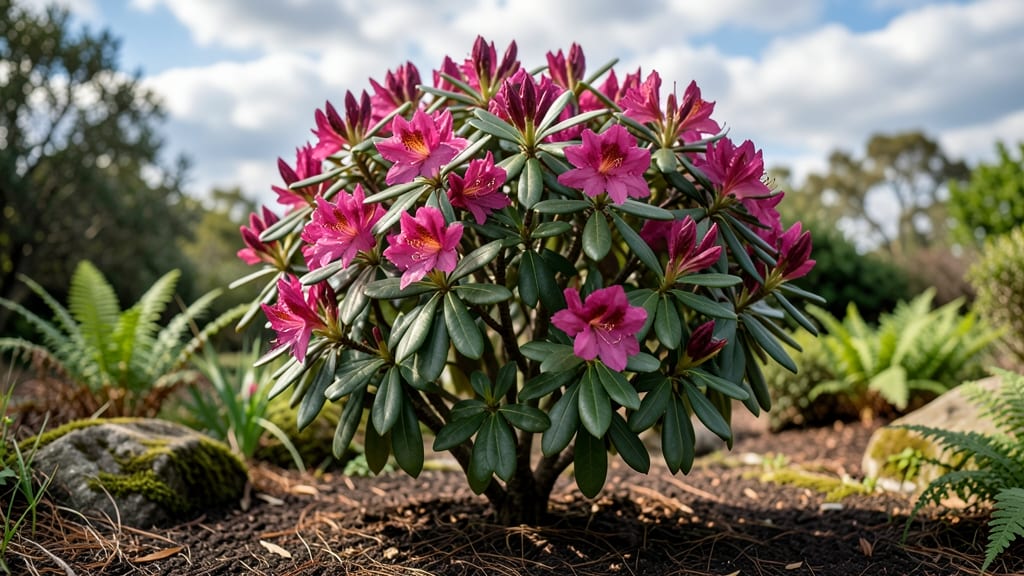
Your azalea bush perennial can bloom every spring for decades with just three simple pruning cuts—no fancy tools or horticultural degree required. 🌸 I’ve turned my once-sparse azalea into a lush, flowering powerhouse using this exact method, and the secret lies in timing, technique, and a little seasonal TLC.
The key is pruning right after blooms fade (late spring) to encourage next year’s flowers while shaping the bush. Most people over-prune, leaving bare stems—don’t make that mistake. Focus on opening the center for airflow and removing only the oldest, leggy branches.
Azaleas thrive in partial shade and acidic soil, so test your soil pH first (aim for 4.5–6.0). By winter, your bush will look like a velvety green cloud, ready to burst into color again.
The blooms return bigger and more abundant each year when you stick to this routine. And yes, these plants are perennials—they’ll come back stronger every season with the right care. Works for evergreen and semi-evergreen varieties alike, from dwarf ‘Southern Indica’ to towering ‘Hino Crimson’.
Let’s get those shears sharp—your azalea’s next show starts now.
📚 In This Guide
- What you need
- Instructions
- Tips and common mistakes
- Wrapping up and next steps
What you need
- ● Pruning shears: Sharp, bypass-style shears (for clean cuts) – 1 pair (4-6" blades recommended).
- ● Hand pruners: For smaller stems and precision cuts – 1 pair (ergonomic grips preferred).
- ● Loppers: For thicker branches (½" or larger) – 1 pair (8-10" cutting range).
- ● Disinfectant (70% isopropyl alcohol or bleach solution): To sterilize tools between cuts – small bottle or spray.
- ● Garden gloves: Heavy-duty, cut-resistant – 1 pair (nitrile-coated for grip).
- ● Rake or leaf blower: For clearing debris post-pruning – 1 unit.
- ○ Mulch (optional but helpful): Pine bark or shredded leaves – 2-3 bags (2 cu. ft. each).
- ● Pruning saw: For stubborn, thick branches – 1 unit (bow or folding style).
- ● Plant food: Acid-loving fertilizer (e.g., Azalea/Camellia mix) – 1 bottle (16 oz.).
- ● Hose with nozzle: For rinsing tools and refreshing the bush – 1 unit.
- ● Camera or phone: To document your azalea’s progress before/after pruning! 📸
Step-by-Step guide to pruning azalea bushes for year-round beauty
Here's the straightforward method I've used for decades to keep azaleas thriving with minimal effort.
✂️ Step 1: Prune Immediately After Flowering
Azaleas bloom on last year's growth, so the first cut happens right after flowers fade—usually in late spring. I remove spent blooms by cutting the stem just above the first set of leaves below the flower cluster. This encourages fresh growth while preventing seed formation that drains the plant's energy.
Use clean, sharp pruners to make 45-degree cuts about ¼ inch above the leaf node. Avoid cutting into old wood—you'll know you're pruning correctly when you see fresh green stems emerging from the base. If your azalea blooms heavily, you might need to cut back one-third of the oldest stems to rejuvenate the plant.
✂️ Step 2: Thin Out Crowded Branches in Early Summer
In June or July, focus on improving airflow and light penetration by removing 10-20% of the thickest, oldest branches. I look for stems that cross or rub against each other—these are prime candidates for removal. Cut these back to the main trunk or a strong lateral branch.
This step prevents fungal diseases like powdery mildew that thrive in dense foliage. You'll notice healthier new growth appearing within 4-6 weeks of this pruning. Never remove more than 25% of the plant's foliage in one season—azaleas are sensitive to drastic pruning.
✂️ Step 3: Light Shaping Cut in Late Winter
The final pruning occurs in late winter (just before new growth begins) to shape the plant and remove any dead or damaged branches. I make small adjustments to maintain the natural form, cutting back only to improve the plant's structure. Avoid heavy pruning now—you want to preserve next year's flower buds.
Look for branches that grow inward or downward—these should be removed entirely. For each cut, aim to create an open, vase-like shape that allows light to reach the center. After pruning, apply a 2-3 inch layer of mulch around the base to protect roots and retain moisture during spring growth.
💧 Step 4: Post-Pruning Care for Strong Recovery
Water deeply after pruning to help the plant recover, especially if you've made significant cuts. Azaleas prefer acidic, well-draining soil, so I add a 1-2 inch layer of pine bark mulch annually to maintain soil pH and moisture levels. Fertilize lightly in early spring with an acid-loving plant formula to support new growth.
Watch for new buds forming along the stems—these will develop into next year's flowers. If you notice yellowing leaves after pruning, it's often a sign of over-pruning or nutrient deficiency. In that case, reduce watering slightly and apply a balanced fertilizer to help the plant recover its vigor.
Tips & tricks for perfect azalea bush pruning
These simple yet game-changing tips will help you maintain your azaleas' beauty with confidence and precision.
Timing Secret: The late spring timing in Step 1 is non-negotiable—azaleas bloom on old wood, so cutting too early removes next year's flower buds. I always mark my calendar for when the last blooms fade, typically around Mother's Day in most climates. If you miss this window, wait until summer's thinning step instead of trying to force an early cut.
Cutting Technique: That 45-degree angle in Step 1 isn't just aesthetic—it prevents water from pooling on the cut, which can lead to rot. I use my pruners to make clean cuts about ¼ inch above the leaf node, which is where new growth will emerge. Pro tip: Wipe your pruners with rubbing alcohol between cuts to prevent spreading disease between branches.
Visual Cue for Over-Pruning: In Step 2, when thinning crowded branches, look for stems that are thicker than a pencil—these are your targets. If you're unsure, count the branches: removing 10-20% of the thickest stems is ideal. I've seen gardeners accidentally remove too much foliage, which stresses the plant. Remember, azaleas are sensitive—never exceed 25% removal in one season.
Mulch Matters: That 2-3 inch layer of mulch in Step 3 isn't just decoration—it's a protective barrier. I always use pine bark mulch because it slowly releases acidity, which azaleas love. Apply it in a 3-inch wide ring around the base, keeping it 2-3 inches deep. This helps retain moisture and regulates soil temperature, especially during late winter's shaping cut.
Pro Tips for Azalea Bush Perennial
- These simple yet game-changing tips will help you maintain your azaleas' beauty with confidence and precision.
- Timing Secret: The late spring timing in Step 1 is non-negotiable—azaleas bloom on old wood, so cutting too early removes next year's flower buds.
- Cutting Technique: That 45-degree angle in Step 1 isn't just aesthetic—it prevents water from pooling on the cut, which can lead to rot.
Frequently asked questions
Got questions about keeping your azalea bush perennial thriving? You’re not alone! Here are answers to the most common queries—from pruning tips to troubleshooting—so you can enjoy year-round blooms with ease.
When is the best time to prune my azalea bush?
The ideal time to prune azaleas is right after they finish blooming (late spring to early summer). This ensures you don’t cut off next year’s flower buds. Avoid pruning in fall or winter, as it can expose the plant to cold damage. A light trim keeps their shape without sacrificing blooms!
Can I prune azaleas in winter?
Pruning azaleas in winter is not recommended because it removes protective buds and leaves the plant vulnerable to frost damage. If you must prune in colder months, do so very lightly—just to shape—and avoid heavy cuts. Wait until spring for a full pruning session.
Why are my azalea leaves turning yellow or brown?
Yellow or brown leaves often signal overwatering, underwatering, or pests. Check the soil moisture—azaleas prefer acidic, well-draining soil. Spider mites or scale insects can also cause browning. Treat with neem oil if pests are the culprit, and adjust watering to keep soil consistently moist (but not soggy).
How do I encourage more blooms on my azalea bush?
For bigger, healthier blooms, focus on these three things:
- Full sun to partial shade (6+ hours of sunlight daily).
- Consistent moisture—mulch around the base to retain humidity.
- Fertilize in early spring with an acid-loving plant fertilizer (like one labeled for rhododendrons).
Are there azalea varieties that bloom all year?
Most azaleas bloom seasonally (spring or summer), but some evergreen varieties (like Rhododendron indicum) offer near-year-round interest with foliage and occasional blooms. For continuous color, plant a mix of early-, mid-, and late-season azaleas. Pro tip: Southern climates often see longer bloom cycles!
What can I plant near azaleas for a low-maintenance garden?
Pair azaleas with acid-loving companions like:
- Hydrangeas (for lush foliage and similar care).
- Fern varieties (e.g., Japanese painted fern).
- Caladiums (for shade-loving pops of color).
- Ornamental grasses (like Carex for texture).
Wrapping up and next steps
Transforming your azalea bushes into stunning, long-lasting perennials is simpler than you think!
With just three strategic pruning cuts—timing, shaping, and rejuvenation—you’ll unlock vibrant blooms and lush foliage year after year. 🌸 Don’t wait for next season: grab your shears, follow the steps, and give your azaleas the care they deserve.
Ready to get started? Pick a sunny day, gather your tools, and begin pruning today—your garden will thank you! 🌿