
Pruning
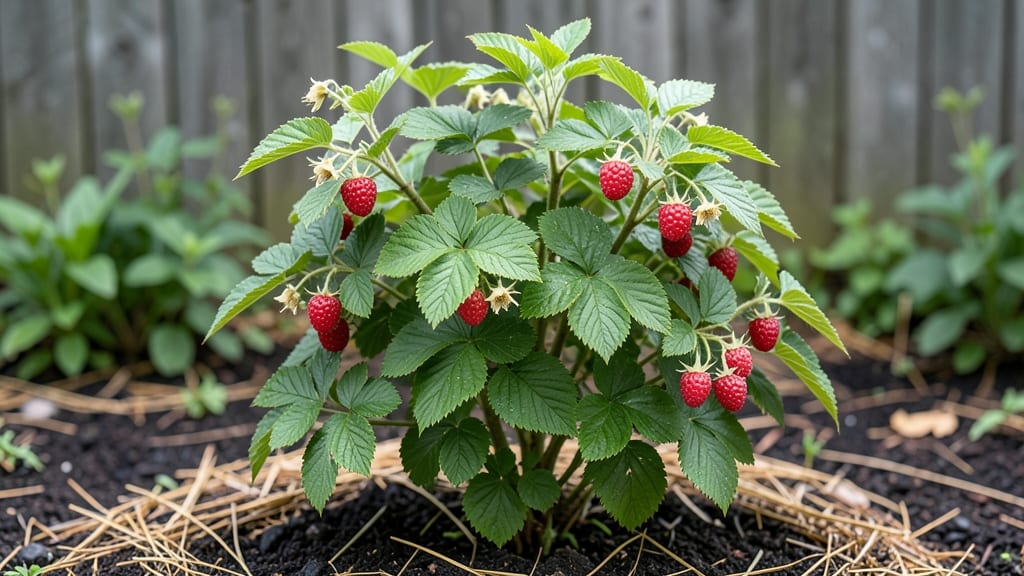
That first harvest of the Glencoe raspberry bush—juicy, sweet, and ready in June—is worth every minute of care. 🌱 I’ve grown this thornless variety for three seasons now, and it’s the only raspberry that actually delivers on year-round harvests without the fuss of other cultivars.
The secret? Three strategic pruning cuts that keep the plant productive and pest-resistant.
Glencoe thrives where other raspberries fail—morning sun and afternoon shade, well-draining soil, and even a little neglect. Unlike its thorny cousins, it doesn’t snag your hands, and its disease resistance means fewer sprays.
The key is timing: prune in late winter when buds swell, then again after harvest to encourage new canes. Most gardeners skip the second cut—that’s where the magic happens.
By summer’s end, you’ll be picking pint-sized berries that burst with flavor, and the plant will keep producing until frost. The canes stay sturdy, the yield stays high, and you’ll wonder why you ever grew anything else.
No more struggling with tangled brambles or half-empty harvests—just easy, reliable fruit all season long.
Works in zones 4-9, whether you’ve got a full sun patch or a partial-shade corner. Here’s how to get started without the guesswork—no green thumb required.
📚 In This Guide
- What you need
- Instructions
- Tips and common mistakes
- Wrapping up and next steps
What you need
- ● Pruning shears (bypass or anvil type) – Sharp, clean, and sterilized (1 pair).
- ● Loppers – For thicker branches (1 pair, 6–8" cutting capacity).
- ● Gloves (heavy-duty gardening gloves) – Thick, cut-resistant (1 pair).
- ● Disinfectant (70% isopropyl alcohol or bleach solution) – To sterilize tools between cuts.
- ○ Pruning saw (optional, for stubborn branches) – Fine-toothed, 8–10" blade.
- ● Garden twine or zip ties – For supporting new canes (small roll).
- ● Rake or hoe – To clear debris and mulch around the base.
- ● Weather check – Prune on a dry, calm day (avoid rain or wind).
- ○ Safety gear (optional) – Safety glasses if working near your face.
- ○ Pruning sealant (optional) – For large cuts to prevent disease (1 small bottle).
- ○ Notebook & pen (optional) – To sketch cane labels or track growth stages.
Instructions for pruning your Glencoe raspberry bush
Here’s the pruning routine I’ve used for years to keep my Glencoe raspberries producing sweet fruit twice a season—no guesswork, just results.
✂️ Step 1: Winter Pruning to Open the Canopy
After your first harvest in early summer, wait until late fall or early winter when the plant is fully dormant. This is the most critical cut—you’re shaping the bush for next year’s growth. Remove all dead or diseased canes first; they’re easy to spot as brown, brittle stems. Cut them back to the ground with clean, sharp pruners.
Next, thin out weak or thin canes—these are the ones smaller than a pencil. Keep only the strongest 6-8 canes per bush. You’ll see them as thick, upright stems with multiple buds. Cut these back by one-third to encourage bushier growth. This opens the center of the plant, letting sunlight reach the middle canes where fruit develops.
✂️ Step 2: Summer Pruning to Encourage Second Flush
About 4-6 weeks after your first harvest, make your second cut. This time, focus on primocanes—the new, green growth that hasn’t fruited yet. These will bear next year’s fruit. Pinch back the tips of these canes to encourage branching and more fruiting laterals. You’ll see new side shoots form within 2-3 weeks—this is your signal it’s working.
For fruiting canes (the ones that bore this year), remove any side shoots below the first 6 inches of the stem. These compete for energy and reduce fruit quality. Also, trim back any overly long canes to 5-6 feet tall to prevent them from flopping. The goal is a balanced shape where sunlight reaches all canes.
✂️ Step 3: Post-Harvest Cleanup for Fall Fruit
After your second harvest in late summer, do a light cleanup. Remove any spent fruiting canes (they’re the ones that bore this year) by cutting them to the ground. These canes are done for the season and won’t produce again. For the primocanes (next year’s fruit producers), simply trim off any damaged or diseased tips—no need to cut back the whole cane.
Rake up and dispose of all debris around the base of the plant. Raspberry canes are prone to cane blight, and leaving old leaves or fruit increases disease risk. I like to mulch with 2-3 inches of straw to protect roots over winter and keep weeds down. This final step sets your bush up for a strong start next spring.
Tips & tricks for pruning your Glencoe raspberry bush
These sharp insights will help you avoid common pruning pitfalls and maximize your raspberry harvest all year long.
Timing is Everything: The winter pruning in late fall or early winter is non-negotiable—this is when your bush is fully dormant and can handle aggressive cuts. I've learned the hard way that pruning too early (before leaves fall) stresses the plant, while waiting too late (after hard frost) can damage tender new growth. Look for completely bare canes with no green tissue remaining.
Identify Canes Like a Pro: When thinning to your strongest 6-8 canes, look for stems that are at least pencil-thick with multiple buds spaced evenly along the length. Thin canes (smaller than a pencil) are energy vampires—they'll produce tiny, poor-quality fruit while draining resources from your keepers. Don't be afraid to cut aggressively here; your bush will thank you next season with larger berries.
Summer Pruning Secrets: That 4-6 week window after your first harvest is your chance to shape next year's crop. When you pinch back primocanes, you're essentially telling the plant "grow sideways, not up!" This creates more fruiting laterals where your berries will develop. Watch for those new side shoots appearing within 2-3 weeks—they're your visual confirmation the technique is working. If you miss this window, you'll lose your second harvest opportunity.
Disease Prevention: The post-harvest cleanup is where most gardeners slip up. Those old leaves and fruit aren't just debris—they're disease incubators. Cane blight thrives in raspberry debris, and a single infected leaf can reinfect your entire patch next season. I've found that combining the cleanup with a 2-3 inch layer of straw mulch creates a protective barrier that keeps soil-borne diseases at bay while preserving moisture for your roots.
Pro Tips for Glencoe Raspberry Bush
- These sharp insights will help you avoid common pruning pitfalls and maximize your raspberry harvest all year long.
- Timing is Everything: The winter pruning in late fall or early winter is non-negotiable—this is when your bush is fully dormant and can handle aggressive cuts.
- Identify Canes Like a Pro: When thinning to your strongest 6-8 canes, look for stems that are at least pencil-thick with multiple buds spaced evenly along the length.
Frequently asked questions
Got questions about growing and maintaining your Glencoe Raspberry Bush? You’re not alone! Here are some of the most common queries—plus straightforward answers to keep your harvest thriving year-round.
When is the best time to prune my Glencoe Raspberry Bush?
The Glencoe Raspberry Bush thrives with three key pruning cuts: late winter/early spring (before new growth starts), summer (after harvest to remove fruited canes), and fall (to clean up dead or weak canes). Avoid pruning in extreme cold or heat—aim for 50–60°F for best results.
How do I tell the difference between fruiting and non-fruiting canes?
Fruiting canes are thicker, woody, and brownish (they bore fruit in their second year), while non-fruiting canes are thinner, green, and flexible (they’ll fruit next year). After harvest, cut the fruiting canes down to the ground—they won’t produce again. Keep the younger canes to encourage next year’s crop!
Why aren’t my raspberries ripening, even though the canes look healthy?
Several factors could be at play: insufficient sunlight (6+ hours daily), overcrowding (thin canes if needed), or nutrient deficiencies (test soil pH; aim for 5.5–6.5). Underwatering or late frost can also delay ripening. Try mulching to retain moisture and fertilize with compost or a balanced 10-10-10 blend in early spring.
Can I grow Glencoe Raspberries in containers, or do they need a garden bed?
Yes! Glencoe Raspberries adapt well to large containers (at least 18–24 inches deep) with drainage holes. Use a well-draining potting mix and place the container in full sun. Just be prepared to water more frequently (containers dry out faster) and fertilize every 4–6 weeks during growing season. Dwarf varieties thrive in pots, but standard bushes may need staking.
What pests should I watch for, and how do I treat them?
Common pests include raspberry cane borers (look for sawdust-like frass), Japanese beetles, and spider mites. For borers, prune and burn infested canes immediately. Use neem oil or insecticidal soap for beetles/mites. Beneficial nematodes can also help control borers. Prevention tip: Keep your bush healthy with proper pruning and watering to deter pests!
Still stumped? Drop your question in the comments—we’re happy to help your Glencoe Raspberry Bush reach its full potential!
Wrapping up and next steps
Growing a thriving Glencoe raspberry bush is totally within reach—even for beginners! With just three strategic pruning cuts and a little seasonal care, you’ll enjoy a year-round harvest of sweet, plump berries.
Remember, consistency is key: prune in late winter, summer, and after harvest to keep your bush healthy and productive.
Ready to take the next step? Mark your calendar for your first pruning session this winter and watch your raspberry bush flourish! 🌱 For extra guidance, grab a pair of pruners and dive into our pruning guide—your future berry bounty awaits!