
Blooming
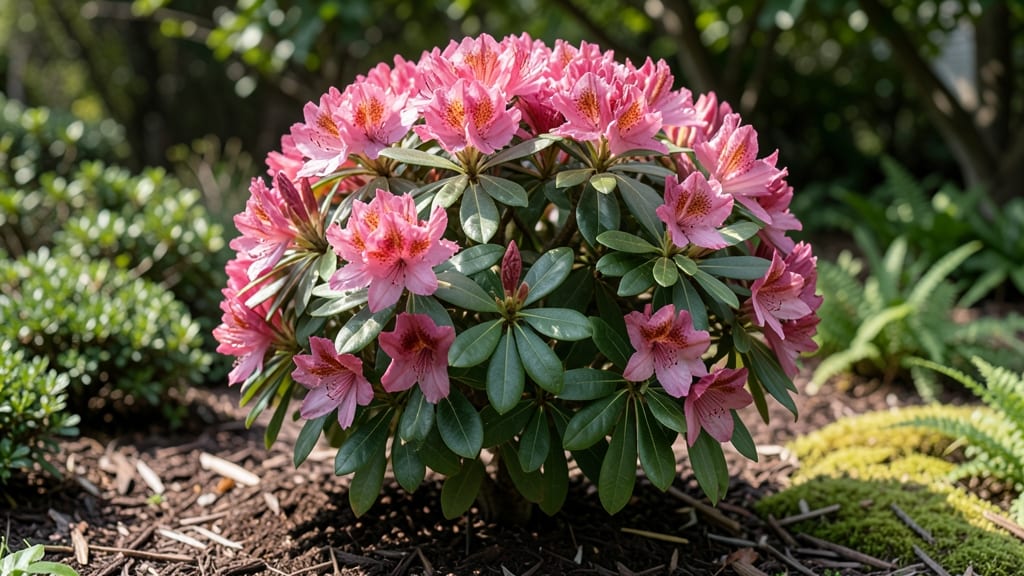
Timing your azalea bush bloom time is everything—miss the window, and you could wait weeks for those vibrant spring displays you’ve been dreaming of.
Picture this: You’ve planted your 🌸 azalea bush in General (USDA Zone 6 default), and now you’re staring at bare branches where blooms should be. The truth?
Different azalea varieties burst into color at surprisingly different times, and without knowing the exact months, you might be overwatering or fertilizing at the wrong moment, stunting those delicate buds.
From early spring bloomers that wake up in March to late-season varieties that linger into May, the bloom schedule depends on more than just the calendar—it’s about your local climate, the variety you’ve chosen, and even how well you’ve cared for it over the past year.
In this guide, I’ll break down the exact months for peak blooms by variety, share the care tricks to extend your azalea bush bloom time, and help you pick the perfect plants for your garden’s timing. No more guessing—just guaranteed color when you need it.
Azalea bloom time by variety: exact months for peak flowering
Azaleas are the stars of spring gardens, but their bloom windows vary wildly by variety. Some burst into color as early as February in the South, while others wait until May in cooler climates.
Understanding these differences helps you plan your garden layout, pruning schedule, and even fertilizer timing for maximum impact.
Most azaleas bloom in spring or early summer, but a few varieties offer fall blooms for extended color. In the Southern US (Zones 7-9), blooms often start 4-6 weeks earlier than in the Northern US (Zones 4-6).
Microclimates—like coastal areas or urban heat islands—can also shift bloom times by 2-3 weeks.
| Variety | Peak Bloom Months (US) | Southern US Shift | Notes |
|---|---|---|---|
| 'Girard's Pink Sim' | Late March - Early April | Early March | Early spring bloomer, fragrant, thrives in Zones 4-8 |
| 'Southern Indigo' | Mid-April - Early May | Late March | Heat-tolerant, deep purple blooms, Zones 7-9 |
| 'Hino Crimson' | Early May - Mid-May | Late April | Late-season spring bloomer, crimson flowers, Zones 5-9 |
| 'George L. Taber' | Late April - Early May | Early April | Fragrant, white blooms, Zones 5-9, fall rebloom |
| 'Bowl of Beauty' | Mid-May - June | Late April | Late bloomer, pink flowers, Zones 6-9, heat-loving |
| 'October Beauty' | September - October | Late August | Fall bloomer, pink/red, Zones 7-9, hummingbird magnet |
| 'Karen Ann' | Late March - Early April | Early March | Dwarf variety, pink flowers, Zones 5-9, container-friendly |
| 'Formosa' | Mid-April - May | Late March | Fragrant, white/rose, Zones 6-9, large shrub |
| 'Dr. T. H. Everett' | Early May - June | Late April | Late-season, red blooms, Zones 5-9, drought-tolerant |
| 'Ralph S. Moore' | Mid-April - May | Early April | Fragrant, pink, Zones 5-9, classic variety |
| 'Coral Bells' | Late April - Early May | Early April | Compact, coral-pink, Zones 6-9, border plant |
| 'Birkdale' | Early May - June | Late April |
How to extend azalea bloom time with proper careYour azaleas can bloom for weeks longer if you time care tasks precisely around their natural growth cycle. The key is understanding how pruning, watering, and fertilizing interact with their dormancy periods. Unlike many shrubs, azaleas set next year's buds during the current growing season—so every action you take now affects next spring's display. Most gardeners overlook the critical window between late summer and early fall when azaleas prepare for winter. This is when you should focus on root feeding and light adjustments to maximize next year's bloom duration. Even a small shift in your care routine can extend vibrant flowers by 2-3 weeks, transforming your garden from a brief spring flash to a prolonged seasonal highlight.
If your azaleas bloom earlier than expected, they're likely stressed by drought or over-fertilization. Cut back on watering slightly and switch to a low-nitrogen fertilizer (like 5-10-10) to redirect energy to root development. For delayed blooms, check your soil pH—azaleas need acidic soil (4.5-6.0). Test your soil and amend with sulfur or peat moss if needed. Pro tip: Deadhead spent blooms (remove faded flowers) to encourage new buds. However, only do this after the second flush of blooms—the first flush represents next year's buds. Use sterilized shears to avoid spreading diseases that can shorten bloom time. For container-grown azaleas, repot every 2-3 years to refresh soil nutrients and prevent root-bound stress. With these adjustments, your azaleas can maintain vibrant blooms for 4-6 weeks instead of the typical 2-3 week display. The secret lies in consistent moisture, proper pruning timing, and nutrient balance—all tailored to your local climate. Start implementing these changes this fall for a showstopping spring display next year. 🌷 |