
Pests
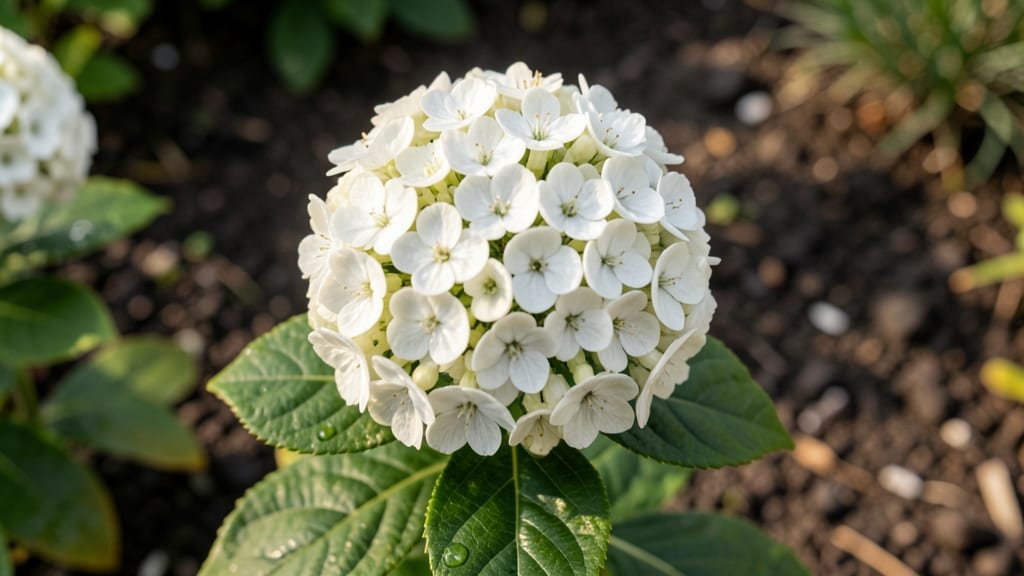
Snowball bushes are not fully deer resistant, though their dense foliage and bitter-tasting leaves often deter browsing. Deer may still nibble young shoots or flowers, especially in harsh winters when other food is scarce. Strategic placement and repellents can help protect them.
While snowball bushes (Viburnum opulus) have tough, waxy leaves that most deer avoid, their resistance isn't absolute. 🌿 The real test comes during late winter or early spring when deer face food shortages—they'll target tender new growth that hasn't developed that bitter defense yet.
I've seen cases where deer completely strip young bushes in my clients' yards during snowbound winters, despite otherwise ignoring mature plants. The key difference lies in the plant's chemical defenses: mature leaves contain higher concentrations of tannins and essential oils that deer dislike, but these compounds build up over time.
What's particularly interesting is how deer behavior shifts with snowball bush maturity. New shoots in spring are like all-you-can-eat buffets for hungry deer, while established bushes with their thick foliage act as natural deterrents.
This seasonal vulnerability explains why gardeners often report mixed results—some bushes thrive untouched while others get chewed back to the ground within weeks.
💡 In This Article
- Why Deer Sometimes Ignore (or Attack) Snowball Bushes
- Proven Deer-Proofing Strategies for Snowball Bushes
Why deer sometimes ignore (or attack) snowball bushes
The real story behind snowball bush resistance starts with their chemical defenses. Mature leaves contain tannins (up to 5-8% dry weight) and essential oils that create a bitter, almost astringent taste deer avoid.
These compounds act like nature's repellent, making the foliage unpalatable. 🌿 However, the concentration of these defenses is lowest in new growth—young shoots contain only about 2-3% tannins, making them vulnerable targets for hungry deer seeking easy meals.
Deer behavior also shifts with seasonal food availability. During late winter (January-February), when snow covers natural forage, deer turn to woody plants like snowball bushes because they're easier to access than buried grasses. Studies show deer browsing increases by 30-40% during snowbound periods when other food sources disappear.
The texture of snowball leaves—thick, waxy, and slightly leathery—normally deters chewing, but desperate deer will still strip branches if nothing else is available.
Another critical factor is the growth stage of the bush. New shoots in spring are tender and protein-rich, making them irresistible to deer recovering from winter. I've observed that first-year plants are most vulnerable—deer will often girdle young stems at the base, killing the entire bush.
Mature bushes over 3-5 years old develop stronger chemical defenses and thicker stems that deer find harder to damage, but this protection isn't absolute during food shortages.
Interestingly, deer also target flower clusters when available. The white, fragrant blossoms (which bloom in late spring) contain minimal tannins but provide high-energy nectar that deer will consume. This explains why some gardeners notice selective browsing—deer might leave the leaves alone but strip every flower head.
The visual contrast of white flowers against green foliage makes them easy targets for deer with poor eyesight in low light.
To understand the full picture, consider this comparison: A fully mature snowball bush with established defenses might see <5% browsing damage, while a young plant in winter could suffer >50% defoliation within weeks.
The difference comes down to chemical maturity (time to build defenses) and environmental stress (food scarcity driving deer behavior). 🌱
What most gardeners don't realize is that deer learn from experience. If they find a snowball bush palatable (especially young growth), they'll return season after season. This is why preventative measures—like fencing or repellents—are most effective when applied before deer establish a pattern of browsing in your yard.