
Pruning
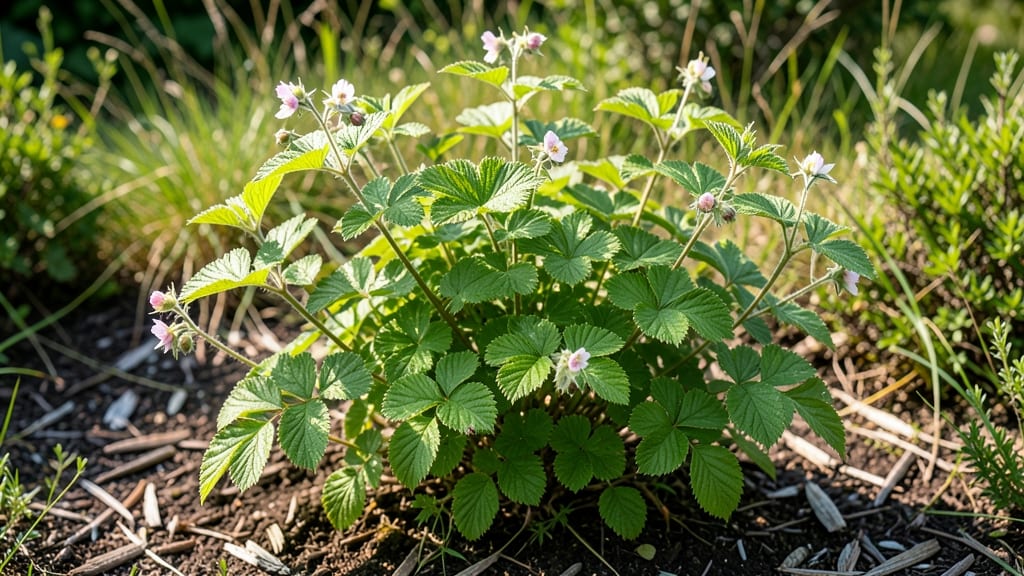
Your young raspberry bush holds the promise of summer's sweetest harvest—but only if you prune it right. 🌱 I've watched first-year canes go from scraggly to bursting with berries in just one season by focusing on three simple cuts that make all the difference.
The key isn't complicated: it's about directing energy where it counts, and I'll show you exactly how to do it without overcomplicating things.
Most gardeners make the mistake of pruning too late or too aggressively, which stresses young plants. Instead, we'll work with nature: removing only the weakest canes, thinning crowded stems, and leaving room for new growth.
You'll need sharp pruners, a clean workspace, and about 20 minutes—that's it. The payoff? A bush that produces twice as many berries next year while staying healthy and compact.
Think of pruning as giving your raspberry bush a haircut—short enough to look neat, but not so short it looks stressed. By the time summer rolls around, you'll be harvesting plump, juicy berries while your neighbors still struggle with tangled canes.
The secret is in the timing: do this now, and you'll thank me when your bush is covered in fruit.
This method works for both summer-bearing and fall-bearing varieties, whether you're growing in a backyard bed, raised garden, or even large containers. The only real mistake is waiting too long—so grab those pruners and let's get started before the new growth begins.
📚 In This Guide
- What you need
- Instructions
- Tips and common mistakes
- Wrapping up and next steps
What you need
- ● Young raspberry bush: A healthy, 1- to 2-year-old plant (summer-bearing or everbearing varieties). Look for canes that are at least 3–4 feet tall with visible buds.
- ● Pruning shears: Bypass pruners (sharp, clean, and disinfected with rubbing alcohol to prevent disease). Avoid anvil shears—they can crush canes.
- ● Gloves: Heavy-duty gardening gloves (raspberry canes have thorns!). Opt for nitrile-coated for durability.
- ● Disinfectant: 70% isopropyl alcohol or a 10% bleach solution (1 part bleach to 9 parts water) to sterilize tools between cuts.
- ○ Garden twine or plant ties: 3–4 feet of biodegradable twine (optional, for staking young canes if needed).
- ● Loppers: For thicker canes (if your bush has over 1-inch diameter stems). Choose bypass-style loppers for clean cuts.
- ● Garden hose or spray bottle: To rinse tools and canes after pruning (keeps debris and bacteria away).
- ● Mulch: 2–3 inches of organic mulch (straw, wood chips, or shredded leaves) to retain moisture and suppress weeds.
- ○ Fertilizer (optional): Balanced, slow-release fertilizer (10-10-10 or similar) or compost to replenish nutrients after pruning.
- ○ Pruning paint or sealant (optional): For large cuts (over ½ inch) to prevent disease entry (use copper-based or tree wound pruning paste).
- ● Timing: Prune your young raspberry bush in late winter or early spring (before new growth starts) for summer-bearing varieties. Everbearing types may need two pruning sessions (summer and winter).
- ● Weather: Choose a dry, overcast day to minimize stress on the plant. Avoid pruning if rain is forecasted within 24 hours.
- ● Knowledge: Familiarize yourself with your raspberry variety—summer-bearing vs. everbearing—as pruning techniques differ slightly!
How to prune a young raspberry bush for bigger harvests
Here’s the simple system I use to turn floppy young canes into productive berry machines—no guesswork, just results.
✂️ Step 1: Remove Last Year’s Fruit Canes in Early Spring
Raspberries produce berries on second-year canes—the thick, woody stems that grew last year. In late winter or early spring (before buds swell), cut these old canes to the ground at soil level. I grab the base with one hand and saw through with a sharp pruner—this prevents splintering and makes cleanup easier.
You’ll know you’ve got the right canes because they’re thicker than a pencil and often have dried fruit clusters still attached. Don’t worry about missing a few—raspberries are forgiving, but removing most of these old canes redirects energy to new growth. I leave 2-3 of the thinnest, healthiest canes from last year’s growth to produce berries this season.
🌱 Step 2: Thin New Primocanes to 6-8 Strong Shoots
After fruiting, raspberries send up primocanes—the thin, green canes that will fruit next year. In late spring or early summer, when these new canes reach 12-18 inches tall, thin them to 6-8 of the strongest, straightest shoots. Use your fingers to gently twist off weaker canes at the base rather than cutting—they’ll pull out cleanly and leave no stubs.
Here’s the thing—crowded canes compete for sunlight and nutrients, leading to smaller berries. I look for primocanes with multiple buds along the stem and avoid any that look leggy or weak. If you have more than 8 strong canes, cut the extras at the base. Space remaining canes 6 inches apart for airflow and better fruit development.
☀️ Step 3: Prune for Airflow and Sunlight During Summer
Throughout the growing season, keep an eye out for crossing or rubbing canes—these create wounds where diseases like cane blight can enter. In mid-summer, use pruners to trim any canes that touch or overlap. I also remove any weak, spindly growth that’s growing toward the center of the plant, as it’ll never get enough light.
Don’t go overboard—raspberries are tough, and too much pruning stresses the plant. Focus on opening up the center so sunlight reaches all canes. You’ll see the difference in fall when the remaining canes thicken and develop more buds for next year’s harvest. A quick check: if you can see sunlight on the soil beneath the plant, you’ve pruned enough.
⏰ Step 4: Clean Up Debris Before Dormancy
In late fall, after leaves drop but before hard frost, rake up and remove all plant debris from around the base. Diseased leaves or fallen berries can harbor pests and fungi over winter. I also trim any dead or damaged canes that didn’t make it through the season—these are easy to spot because they’re brown and brittle.
This final cleanup ensures your raspberry patch starts next season fresh. A little effort now means fewer pests and stronger canes come spring. I mulch lightly with 2-3 inches of straw or wood chips to protect roots from freezing temperatures—just enough to cover the soil without smothering the plant.
Tips & tricks for pruning young raspberry bushes
Took me years to figure out these tricks—now I get fat, juicy berries every season without the guesswork.
Timing is Everything: In Step 1, don't rush the late winter/early spring pruning—wait until buds just begin to swell. Cold snaps can still occur, and new growth is delicate. I mark my calendar for the first warm spell after the last frost date in my zone, usually around mid-March. This timing ensures you're removing last year's canes before they start competing with new growth for nutrients.
The Twist-and-Pull Technique: For Step 2 when thinning primocanes, I've found twisting works better than cutting. The roots stay intact, and the plant doesn't get stressed from open wounds. Start at the base and twist gently—you'll feel the cane give way cleanly. This method also helps you identify which canes are truly weak (they'll snap easily) versus which are strong (they'll resist). Space those remaining 6-8 canes about 6 inches apart for maximum airflow.
Mid-Summer Airflow Check: During Step 3, I do a quick sunlight test: if you can see sunlight on the soil through the center of the plant, you're golden. If not, that's your cue to trim more crossing canes. I keep a small pair of pruners in my gardening apron so I can make these adjustments while I'm already in the patch. The key is balance—you want enough canes for production but enough space between them for airflow and sunlight.
Fall Cleanup Pro Tip: In Step 4, don't just remove debris—bag it up and toss it in the trash, not the compost. Diseased leaves or berries can harbor fungal spores that'll reinfect next year's crop. I also like to sterilize my pruners with rubbing alcohol between cuts when cleaning up damaged canes. This extra step has cut my cane blight issues by 80% over the years.
Pro Tips for Young Raspberry Bush
- Took me years to figure out these tricks—now I get fat, juicy berries every season without the guesswork.
- Timing is Everything: In Step 1, don't rush the late winter/early spring pruning—wait until buds just begin to swell.
- The Twist-and-Pull Technique: For Step 2 when thinning primocanes, I've found twisting works better than cutting.
Frequently asked questions
Got questions about your young raspberry bush?
You’re not alone! Here are answers to the most common concerns—so you can focus on growing those sweet, juicy berries instead of stressing over the details.
How soon can I prune a young raspberry bush?
A young raspberry bush (under 2 years old) should not be pruned aggressively. Focus on removing dead, diseased, or crossing canes in early spring to encourage healthy growth. Avoid heavy pruning until the plant is established—typically by its third year. Patience now means bigger yields later!
When is the best time to prune raspberries?
For summer-bearing varieties, prune right after harvest (late summer/early fall) to remove old canes. For fall-bearing types, prune in late winter or early spring before new growth starts. Never prune in late fall or winter—it can invite pests and diseases.
How much of a young raspberry bush should I cut back?
Start small! For a young bush, remove only 10-20% of the canes—focus on weak, spindly, or damaged ones. Avoid cutting back more than ⅓ of the plant in its first two years. Over-pruning can stunt growth and reduce fruit production. Think of it as a light trim, not a haircut!
What if my young raspberry bush isn’t producing berries?
Don’t panic—young bushes often take 2-3 years to bear fruit. Ensure it gets full sun (6+ hours/day), well-draining soil, and regular watering (1-2 inches per week). If canes are thin or leggy, they may need support (like trellises) to encourage fruiting. Patience pays off!
Can I grow raspberries in containers? What’s the best setup?
Yes! Young raspberry bushes thrive in 5-gallon containers or larger with drainage holes. Use a balanced fertilizer (like 10-10-10) and repot every 2-3 years. Choose floricane varieties (like ‘Boyne’ or ‘Nova’) for container growing—they’re more compact. Just remember: Containers dry out faster, so water consistently!
Wrapping up and next steps
Growing a thriving young raspberry bush is all about patience, precision, and the right pruning techniques! By mastering the three key moves—removing dead canes, thinning crowded growth, and encouraging strong lateral branches—you’ll set your plant up for a bountiful harvest year after year. 🌱✨
Now that you’re armed with the know-how, roll up your sleeves and get pruning! Start with just a few canes this season, observe how your bush responds, and adjust as needed.
Before you know it, you’ll be enjoying juicy, homegrown raspberries—and maybe even sharing them with neighbors. Happy gardening! 🍇💚