
Pests
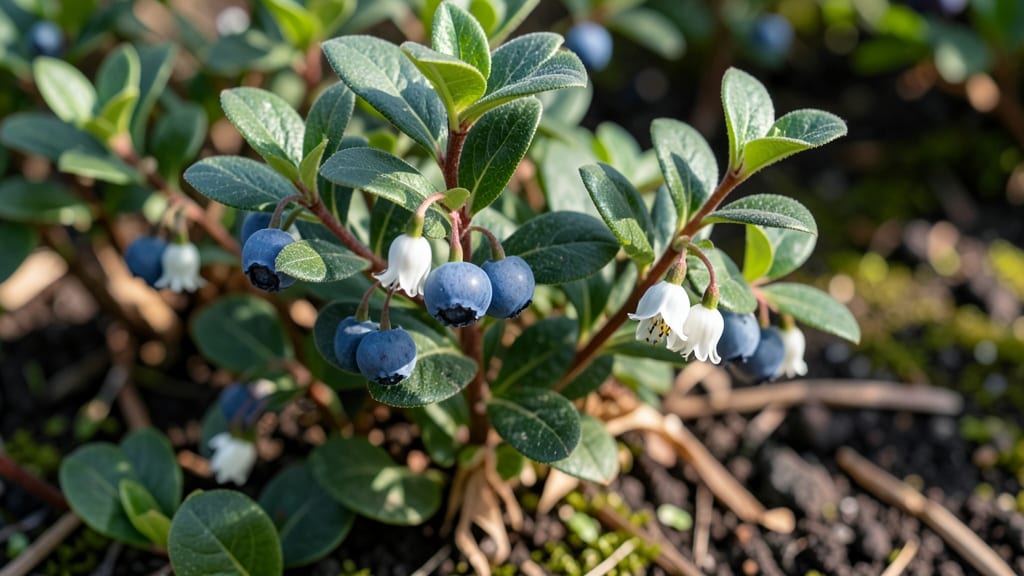
Blueberry bushes under siege by worms? Don’t panic—these natural fixes save your harvest without toxic sprays. 🌿 I’ve battled cutworms and grubs in my own bushes, and these methods work better than anything I’ve tried before. First, identify the culprit: cutworms hide at night, chewing leaves, while grubs munch roots.
Look for silvery trails or wilting plants—classic worm damage. The key is acting fast, before they skeletonize your bushes or stunt growth. You’ll use diatomaceous earth around the base, neem oil sprays for cutworms, and beneficial nematodes for grubs.
Mulch with straw to deter egg-laying, and plant thyme or garlic nearby—they repel worms naturally. Works in any climate, from Pacific Northwest acid soils to Southern heat. Let’s get those bushes thriving again!
Root Causes of Worm Infestations
Blueberry bushes can become a buffet for worms—whether they’re burrowing larvae, surface-dwelling earthworms, or invasive species like cutworms—due to a mix of environmental, soil, and plant-related factors.
Understanding these triggers is the first step to stopping the problem before it spreads. Here’s why your blueberry bushes might be attracting (or breeding) unwanted worms.
Worms thrive in rich, moist soil—especially when it’s packed with organic matter like decomposing leaves, grass clippings, or compost. While this sounds like a good thing for plants, it can become a worm paradise if the balance tips too far. Here’s how:
- Excess nitrogen: Over-fertilizing with high-nitrogen feeds (like fresh manure or synthetic fertilizers) creates a worm magnet. Worms love the easy meal, and their populations explode.
- Compacted or waterlogged soil: Poor drainage forces worms to surface, where they can chew through roots or leave unsightly castings on berries. Cutworms also seek out damp, shaded soil near mulch.
- Lack of beneficial microbes: Healthy soil teems with fungi, bacteria, and predators (like nematodes) that naturally control worm populations. When soil is depleted, worms take over unchecked.
💡 Pro Tip: Test your soil’s pH (blueberries prefer 4.5–5.5) and organic matter levels. If it’s too rich, amend with sand, pine fines, or peat moss to create a less inviting environment.
Mulch is a gardener’s best friend—until it becomes a worm hotel. Thick layers of wood chips, straw, or leaves create the perfect microclimate for worms to hide, pupate, and multiply. Here’s why mulch backfires:
- Moisture retention: Mulch traps humidity, signaling worms that the soil is ideal for breeding. Cutworms, in particular, coil up under mulch during the day to avoid predators.
- Shade & shelter: Dark, damp mulch mimics the forest floor—worms’ natural habitat. Without sunlight, natural predators (like birds or ground beetles) avoid the area.
- Decaying organic matter: As mulch breaks down, it releases sugars and proteins that attract worms. Some species, like white grubs, even feed on the mulch itself.
🎯 Fix It: Keep mulch 2–3 inches thick and maintain a 3-inch gap between mulch and the bush trunk. Use cedar or pine mulch (less appealing to worms) and refresh it annually to prevent buildup.
Healthy blueberry bushes are resilient, but stress makes them vulnerable to worm attacks. Weak plants can’t fight off pests as effectively, and worms target them for easy access to roots and leaves. Common stressors include:
- Water stress: Overwatering or drought weakens roots, making them easier targets for root-knot nematodes or grubs. Worms detect stressed plants through chemical cues.
- Nutrient deficiencies: Lack of magnesium, calcium, or boron (critical for blueberries) stunts growth, leaving bushes prone to worm damage. Deficient plants also produce less phenolic compounds, which naturally deter pests.
- Physical damage: Pruning wounds, animal burrows, or even foot traffic can create entry points for worms to invade the root zone.
🌡️ Boost Plant Health:
- Water deeply but infrequently to encourage deep root growth.
- Apply Epsom salt (magnesium sulfate) or lime (for calcium) if soil tests reveal deficiencies.
- Use companion plants like thyme or marigolds to mask plant stress signals.
Worms don’t usually dominate unless their predators are missing. In a balanced ecosystem, birds, toads, spiders, and beneficial nematodes keep worm populations in check. When these guardians vanish, worms multiply unchecked. Causes of predator loss include:
- Pesticide use: Broad-spectrum chemicals (like neonicotinoids) kill both pests and their natural enemies, creating a vacuum that worms rush to fill.
- Habitat destruction: Removing leaf litter, rocks, or brush eliminates hiding spots for predators like ground beetles or solitary wasps.
- Monoculture gardening: Planting only blueberries (or other berries) reduces biodiversity, leaving fewer food sources for predator species.
🔥 Invite Predators Back:
- Install birdhouses or bat boxes near bushes to attract worm-hunting birds.
- Leave some leaf litter in borders to shelter ground beetles.
- Avoid synthetic pesticides; opt for kaolin clay or neem oil instead.
By addressing these root causes, you’re not just treating worm infestations—you’re making your blueberry bushes less appealing to them in the first place. The key? Balance. Healthy soil, strong plants, and a thriving predator population will keep worms at bay naturally.
Quick Fixes for Worm-Infested Blueberries
Worms in your blueberry bushes don’t have to spell disaster—with the right approach, you can restore your plants to health while keeping them thriving. Below, we break down targeted solutions for the most common culprits (earthworms, cutworms, grubs, and borers) and how to tackle them naturally, safely, and effectively.
---
Earthworms are usually beneficial, but an overabundance can lead to surface tunneling, which disrupts roots and attracts pests. If you’re seeing too many casting (worm poop) or tunnels near the base of your bushes, act fast.
#### How to Reduce Earthworm Overpopulation 1. 🌱 Mulch Strategically - Apply 2–3 inches of coarse mulch (wood chips, straw, or leaves) around the base of the bush.
This discourages worms from surfacing by keeping the soil moist and shaded. - Pro Tip: Avoid fine mulch like grass clippings—it can attract slugs, which earthworms love as a food source!
2. 💦 Adjust Watering Habits - Earthworms thrive in consistently damp soil. Water deeply 2–3 times per week (early morning) to encourage deeper root growth, making the surface less appealing to them. - Let the top inch of soil dry between waterings to deter tunneling.
3. 🕷️ Encourage Natural Predators - Birds, toads, and centipedes eat excess earthworms. Install a birdhouse or a small toad-friendly rock pile near the bushes to boost their population.
4. 🔄 Relocate Excess Worms (If Necessary) - If tunnels are severe, gently relocate worms to your garden’s flower beds or compost pile (they’ll help break down organic matter there instead).
---
Cutworms are green or brown larvae that chew through stems at night, severing young blueberry shoots. Look for ragged edges on leaves or wilted, snapped stems near the soil.
#### How to Eliminate Cutworms Fast 1. 🔦 Nighttime Patrol (Best for Small Gardens) - Shine a flashlight on the bushes at dusk or dawn—cutworms will curl up when exposed. Pick them off by hand and drop them in soapy water to kill them instantly.
2. 🥘 DIY Collar Barrier - Cut toilet paper rolls or cardboard tubes into 2-inch rings and place them around young stems. The rough edges deter cutworms from climbing up. - Pro Tip: Secure with a rubber band or tape to keep them in place during rain.
3. 🌿 Beneficial Nematodes (For Severe Infestations) - Apply heterorhabditis bacteriophora nematodes (a microscopic, natural predator) to the soil. Water the area lightly after application to help them move into the soil. - Best time: Early evening when nematodes are most active.
4. 🌡️ Trap Crops & Row Covers - Plant marigolds or radishes nearby—cutworms prefer these over blueberries. Alternatively, use floating row covers over young plants until they’re established.
---
White, C-shaped grubs (larvae of Japanese beetles or June bugs) munch on roots, weakening your blueberry bushes. Signs include yellowing leaves, wilting, or plants pulling easily from the soil.
#### How to Remove Grubs Without Chemicals 1. 🔪 Hand-Picking (Best in Early Spring/Fall) - Water the soil 1–2 hours before digging to soften it.
Use a trowel or fork to gently loosen the top 4–6 inches of soil and scoop out grubs. - Drop them in soapy water or release them far from your garden (they’ll find other plants).
2. 🌱 Milky Spore or Beneficial Bacteria - Apply Bacillus popilliae (milky spore) to the soil—it’s a natural bacterium that targets grubs. Reapply annually for best results. - Works best in: Warm, moist soil (spring or fall).
3. 🍎 Neem Oil Spray (For Surface Grubs) - Mix 1 tbsp neem oil + 1 tsp mild soap per gallon of water and spray the base of the bush and surrounding soil. Reapply every 7–10 days until grubs are gone. - Caution: Avoid spraying when bees are active.
4. 🐔 Ducks or Chickens as Pest Control - Temporarily introduce ducks or chickens to the garden—they’ll dig up and eat grubs while fertilizing the soil. Use a movable pen to contain them.
---
Borers are pale, worm-like larvae that tunnel into stems and branches, causing oozing sap, sawdust-like frass, or dying branches. Infestations often go unnoticed until branches suddenly die.
#### How to Stop Borers Before They Spread 1. 🪓 Prune & Burn Infested Wood - Cut out and destroy any branches with holes, sawdust, or oozing sap.
Do this in late winter or early spring before the borers emerge. - Do NOT compost infested wood—burn or bag it to prevent reinfestation.
2. 🎯 Diatomaceous Earth (Food-Grade Only) - Sprinkle food-grade diatomaceous earth (DE) around the base of the bush and along stems. The microscopic particles dehydrate borers on contact. - Reapply after rain and avoid using pool-grade DE (it’s toxic to plants).
3. 🐝 Encourage Parasitic Wasps - Braconid wasps naturally parasitize borer larvae. Plant dill, fennel, or yarrow nearby to attract them. - Bonus: These wasps won’t sting humans—they target only larvae.
4. 🛡️ Protective Sprays (Organic Options) - Spinosad spray (derived from soil bacteria) is highly effective against borers. Apply in early spring and late summer when adults are active. - Mix: 1 tsp spinosad per gallon of water + a drop of soap as a sticker.
---
1. 🌿 Maintain Healthy Soil - Test your soil’s pH (4.5–5.5 for blueberries) and amend with peat moss or sulfur if needed. Healthy plants resist pests better!
2. 🍂 Clean Up Debris - Remove fallen leaves, mulch, and weeds around bushes—these harbor worm eggs and larvae.
3. 🌱 Crop Rotation - Avoid planting blueberries in the same spot year after year. Rotate with clover or cover crops to disrupt worm life cycles.
4. 🕰️ Monitor Regularly - Check bushes weekly for signs of worms, especially after rain (when larvae are most active).
5. 🌱 Plant Companion Plants - Garlic, chives, or thyme near blueberry bushes repel many worm types with their strong scents.
--- Final Thought: Most worm problems in blueberry bushes can be solved without chemicals—it just takes consistent, targeted action. Start with one or two methods that fit your garden’s needs, and watch your bushes bounce back! 🌱✨
Frequently asked questions
What are the most common worms that attack blueberry bushes?
Look for cutworms (green/brown larvae that chew stems at night), grubs (white, C-shaped larvae munching on roots), and borers (pale larvae tunneling into branches). Earthworms may also surface in excess, causing tunneling near the base.
How do I tell if my blueberry bush has a worm problem?
Watch for ragged leaves, wilted stems, yellowing foliage, or sawdust-like frass near branches. Check soil for tunnels or grubs by gently digging around roots. Early signs include chewed leaves overnight (cutworms) or branches oozing sap (borers).
Can I use chemical pesticides on my blueberry bushes?
While chemical pesticides work fast, they harm beneficial insects and disrupt soil ecosystems. Instead, try neem oil, kaolin clay, or beneficial nematodes—these target worms without collateral damage. For severe cases, use spinosad (derived from soil bacteria) as a last resort.
When is the best time to treat worm infestations?
Act in early spring (before larvae emerge) or late summer (when adult pests are active). For cutworms, check at dusk/dawn when they surface. Grubs thrive in warm, moist soil, so treat after rain or in fall when they’re near the surface.
Will worms kill my blueberry bush?
Not immediately, but severe infestations weaken roots, stunt growth, and reduce fruit production. Cutworms can sever stems, while grubs and borers damage critical root/branch structures. Early intervention prevents long-term harm—most bushes recover fully with proper care.