
How To
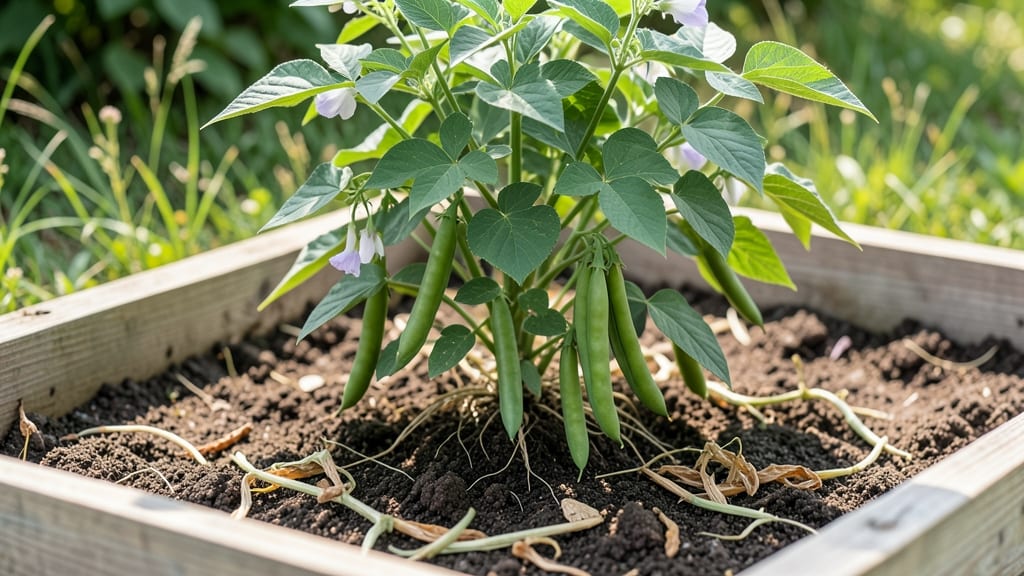
Bush beans are good for soil because they fix nitrogen from the air into the ground through root bacteria, creating natural fertilizer for other plants. Their deep roots break up compacted dirt, prevent erosion, and decomposing leaves add organic matter as green manure.
This nitrogen-fixing superpower comes from tiny bacteria called Rhizobium that live on their roots. 🌱 When these bacteria convert atmospheric nitrogen into a form plants can use, they create a nutrient-rich environment that benefits everything from leafy greens to heavy feeders like corn.
What's more, their extensive root systems improve soil structure by aerating compacted clay and reducing erosion—making them a gardener's secret weapon for long-term soil health.
The magic doesn't stop there—bush beans also make fantastic companion plants. Their ability to replenish nitrogen means you can plant them before nitrogen-loving crops like tomatoes or peppers, giving those plants a built-in head start.
Plus, their fast growth cycle means you'll see benefits in just 60-90 days, making them one of the quickest ways to boost your garden's productivity naturally.
💡 In This Article
- How Bush Beans Fix Nitrogen and Boost Soil Fertility
- Best Practices for Planting Bush Beans to Maximize Soil Benefits
How bush beans fix nitrogen and boost soil fertility
The nitrogen-fixing magic happens through a microscopic partnership between bush beans and Rhizobium bacteria. These bacteria live in root nodules—small, round bumps that form when the bacteria infect the plant's roots.
Inside these nodules, the bacteria convert atmospheric nitrogen (N₂), which makes up 78% of our air but is unusable by most plants, into ammonium (NH₄⁺), a form plants can absorb.
This process requires energy from the plant, but the payoff is huge: up to 150-300 pounds of nitrogen per acre over a growing season.
What makes this so powerful is the chemistry behind it. The bacteria use an enzyme called nitrogenase to break the triple bond in nitrogen gas, a process that requires 16 molecules of ATP (the plant's energy currency) per nitrogen molecule.
Once converted to ammonium, it's quickly transformed into nitrate (NO₃⁻) by soil microbes, becoming readily available for other plants. This natural fertilization cuts synthetic fertilizer needs by 30-50% for subsequent crops, saving gardeners time and money while reducing chemical runoff.
The benefits extend beyond just nitrogen. Bush bean roots grow 2-3 feet deep, breaking up compacted soil layers and creating channels that improve water infiltration. Their fibrous root structure also prevents erosion by holding soil particles together, especially in sloped gardens.
When you add their ability to produce 2-3 tons of biomass per acre that decomposes into organic matter, you've got a triple threat: nitrogen enrichment, soil structure improvement, and organic matter boost.
This soil-building powerhouse works best in well-drained soils with a pH between 6.0-7.0. At lower pH levels, the bacteria struggle to form nodules, while alkaline soils above 7.5 can reduce nitrogen availability.
The key is planting bush beans in late spring after the last frost when soil temperatures reach 60°F—this ensures optimal bacterial activity. Their fast growth cycle means you'll see measurable soil improvements in just 60-90 days, making them one of nature's most efficient soil regenerators.
What most gardeners don't realize is how this nitrogen fixation creates a positive feedback loop for soil health. The organic matter from decomposed bean plants feeds beneficial microbes, which in turn improve nutrient cycling. This creates a more resilient soil ecosystem that can better withstand drought and disease pressures.
For example, after growing bush beans, corn plants often show 20-30% higher yields due to this improved soil biology, even when given identical fertilizer treatments.
The visual difference is striking too. Healthy bush bean patches develop lush, dark green foliage—proof of their nitrogen-rich diet—while the surrounding soil becomes softer and more crumbly to the touch.
This physical transformation happens because the roots' natural growth patterns create macro-pores (larger air spaces) and micro-pores (smaller water channels), improving both aeration and drainage. It's like having a natural soil aerator working underground while you sleep.
For maximum impact, consider planting bush beans in 3-4 foot wide strips throughout your garden rather than in single rows. This creates a more even distribution of nitrogen across your planting area, benefiting all your crops. The best part?
You don't even need to harvest the beans to get these benefits—simply chop the plants at ground level after flowering and leave them as mulch to decompose in place, releasing nutrients gradually over 4-6 weeks. 🌱